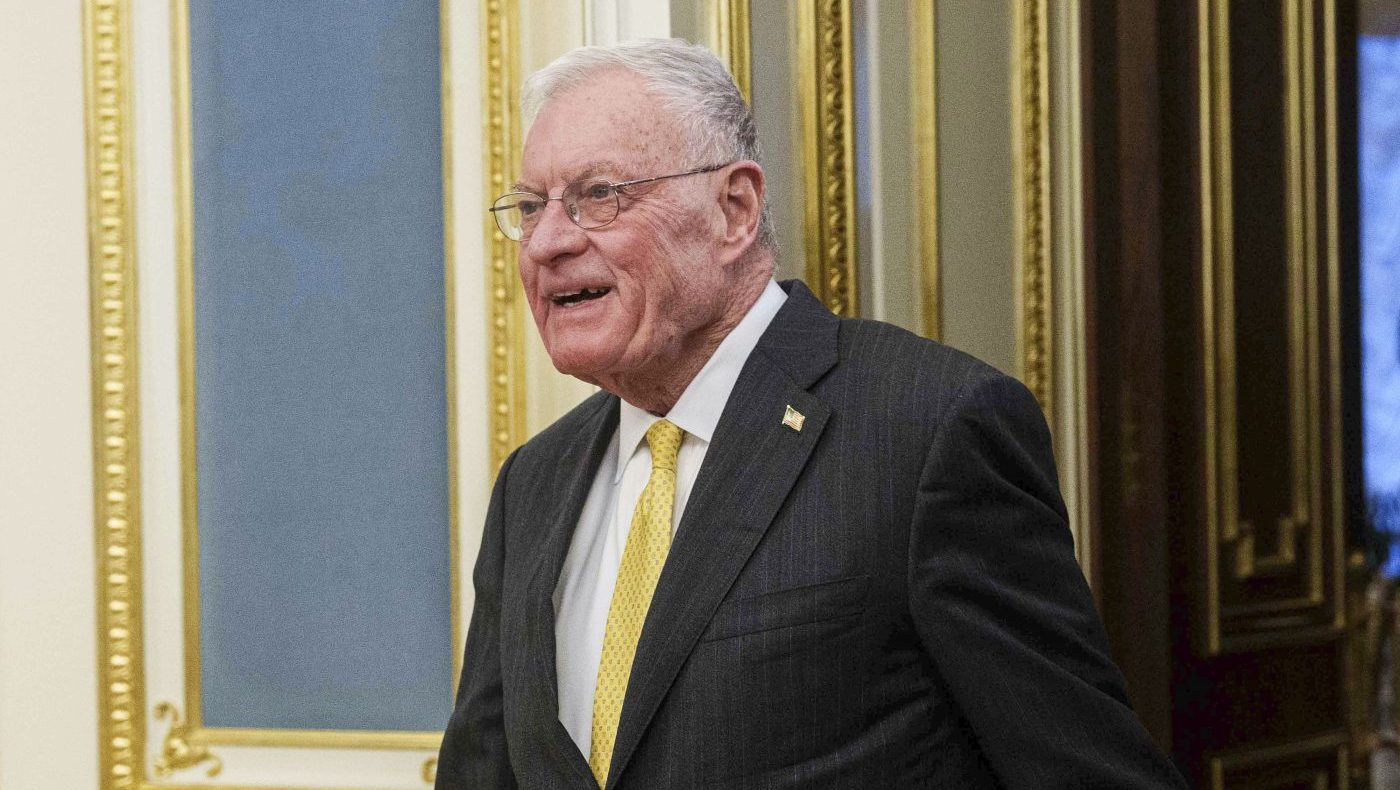
Retired Lieutenant General Keith Kellogg did not mince words Friday when reacting to the case of a U.S. Army soldier accused of making more than $400,000 by betting on the outcome of a secret military operation to capture Venezuelan President Nicolás Maduro. “You can’t be that stupid,” Kellogg told News Nation, expressing disbelief at the alleged breach of trust.
The soldier, identified as Gannon Ken Van Dyke, was stationed at Fort Bragg and involved in planning the raid. Federal officials announced Thursday that he used classified information to place wagers on the prediction market Polymarket, netting substantial profits. According to the U.S. Attorney’s Office for the Southern District of New York, Van Dyke created an account on December 26 and placed about $33,000 in bets between December 27 and January 2—the last bet coming just one day before the operation launched.
Kellogg, who served as President Trump’s special envoy for Ukraine until January, called the behavior “disappointing” and suggested a form of military discipline. “I’d probably put him on an airplane, let him jump out from the airplane at 10,000 feet over Sicily Drop Zone at Fort Bragg without a parachute,” he said. “God, you can’t be that stupid. He knows better, they know better, and they should prosecute him to the fullest extent of the law.”
The case has drawn sharp attention to the risks of insider trading using classified material. U.S. Attorney Jay Clayton emphasized the gravity of the alleged crime. “Van Dyke allegedly violated the trust placed in him by the United States Government by using classified information about a sensitive military operation to place bets on the timing and outcome of that very operation, all to turn a profit,” Clayton said in a statement. “That is clear insider trading and is illegal under federal law. Those entrusted to safeguard our nation’s secrets have a duty to protect them and our armed service members, and not to use that information for personal financial gain.”
Van Dyke now faces three counts of violating the Commodity Exchange Act, one count of wire fraud, and one count of unlawful money transaction. The charges highlight the intersection of modern prediction markets with national security, a topic that has sparked debate in policy circles. For more on the legal and political fallout, see our coverage of the demands for a Trump pardon and the broader implications of the Fort Bragg insider trading case.
The incident also raises questions about oversight of classified information within the military. Van Dyke’s alleged actions, which involved betting on markets related to U.S. operations in Venezuela and Maduro’s ouster, represent a new frontier in security breaches. As the case proceeds, it is likely to fuel further scrutiny of how service members handle sensitive data.
Kellogg’s blunt reaction reflects a broader sentiment among military and political leaders that such conduct undermines the integrity of the armed forces. The retired general’s call for maximum prosecution underscores the seriousness with which the defense community views the misuse of classified intelligence for personal gain.