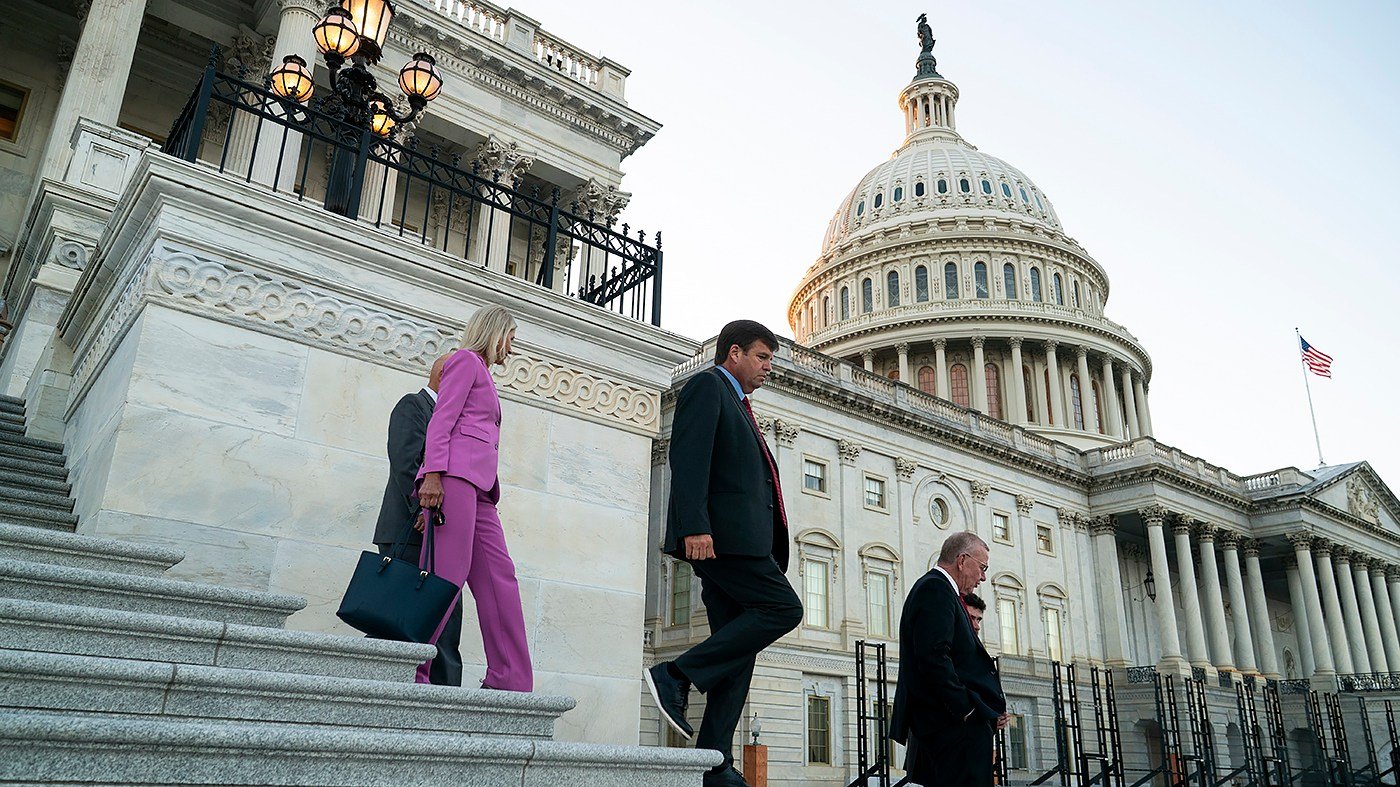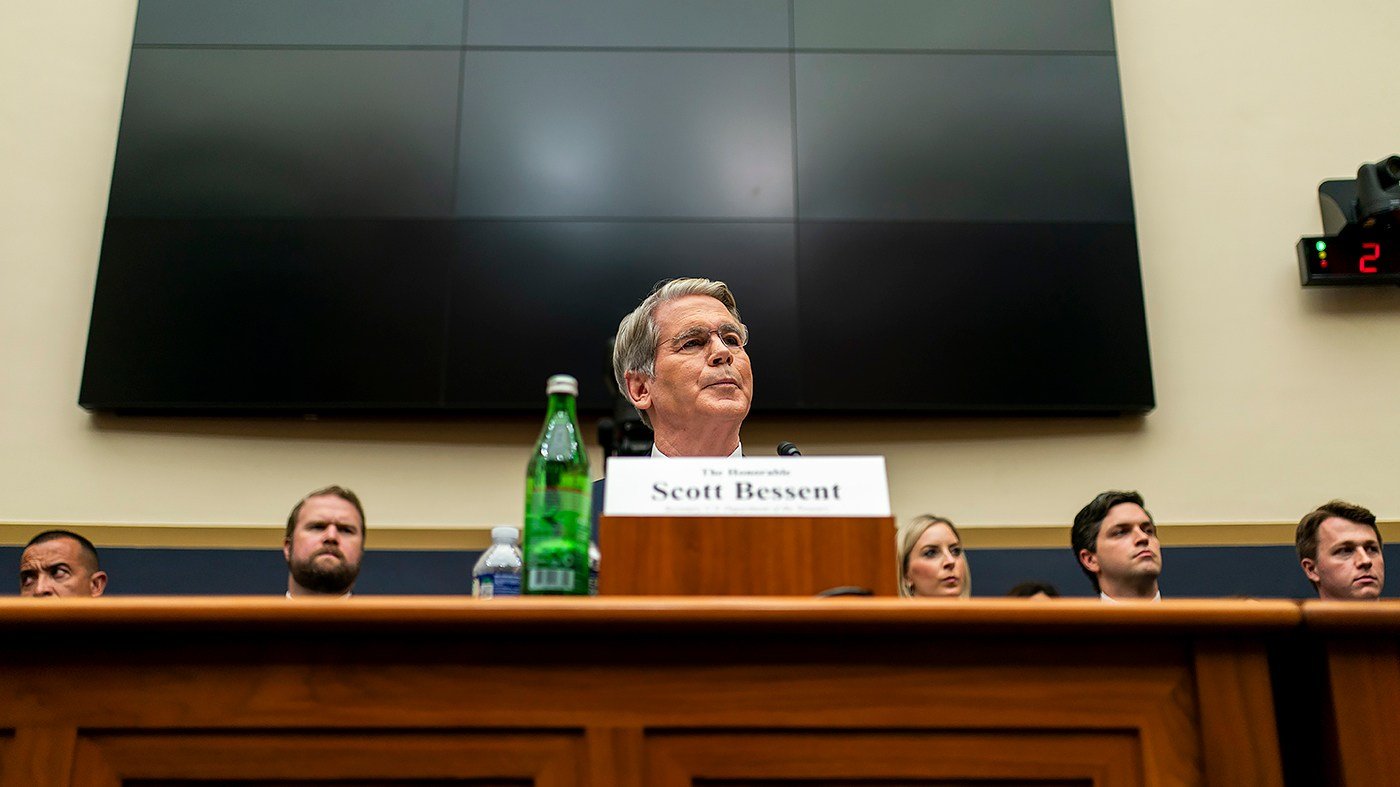
Democrats are riding a wave of electoral victories—from a governor’s win in New Jersey to a redistricting triumph in Virginia—but a growing number of party insiders fear they’re mistaking short-term success for long-term political strength.
The recent string of wins, including a Democrat winning Miami’s mayoral race for the first time in three decades, has fueled optimism about flipping the House and even the Senate in the midterms. Yet behind the confidence, a quieter debate is unfolding: Are Democrats winning because voters embrace their agenda, or simply because they hate Donald Trump?
“Highlighting Trump’s failures will be enough to make Democrats competitive in 2026, but it is not enough to win back real power in 2028,” warned Democratic strategist Joel Payne. “There has to be a real plan that individual candidates, and the party as a whole, represents that is separate from a Donald Trump contrast for sustainable, long-term success.”
Basil Smikle, another Democratic strategist, echoed that sentiment, arguing that the party “will need to actually offer clear policy alternatives going forward. They have to build a world for voters to choose.” That view is gaining traction as Democrats lead by 6 points in key midterm battleground districts, a margin that some analysts say may be more about Trump fatigue than Democratic vision.
The party has been helped by Trump’s decision to escalate tensions with Iran, which has driven up gas and food prices, reminding voters of his 2024 campaign pledges to slash gas prices and end “forever wars.” Recent polling reflects the shift: a Fox News poll shows Democrats leading on the economy for the first time since 2010, and an AP-NORC survey found Trump’s approval rating on the economy fell to 30% in April, down 8 points from March. His overall approval dropped to 33% from 38%.
California Governor Gavin Newsom, a potential 2028 contender, seized on the momentum, posting on social media: “What a night in Virginia. When we fight fire with fire, we win. And we are winning, all across the United States—in state houses and courthouses and now in the court of public opinion. But what is at stake is putting a stake in the heart of the Trump administration by taking back the House and Senate. MAGA is losing at their own game.”
Not everyone agrees with that aggressive posture. Longtime Democratic donor John Morgan advised a hands-off approach: “When the opposition is catching themselves on fire in the public square, the best advice is not to get close to the fire. Say nothing. Do nothing. Shut the f— up.” For 2028, Morgan said the pitch should be simple: “No more chaos. No more cruelty. More civility. It’s not so much about what they are for; it’s what they are against.”
But some Democrats worry that strategy leaves the party without a clear identity. “It’s all well and good to let them implode or keep ripping on Trump and MAGA, but what does that really get us?” one Democratic consultant said. “No one knows what we stand for anymore except that we loathe Trump with every bone in our bodies. That’s not lost on anyone. But what else?”
The debate comes as Rove identifies three Democrats with potential 2028 winning formula, suggesting the party needs a forward-looking message. For now, the midterm outlook is bright, but the underlying question remains: Are Democrats building a coalition based on opposition, or a foundation for governing?