Airlines across the globe are pulling flights from their schedules as the war in the Middle East disrupts jet fuel supplies and sends prices skyrocketing. But the chaos for travelers doesn't stop at the departure board.
Passengers now must navigate a tangled web of protections that vary wildly depending on their route and destination. The timing only adds to the frustration, with summer travel demand surging and major events like the World Cup set to strain airports further.
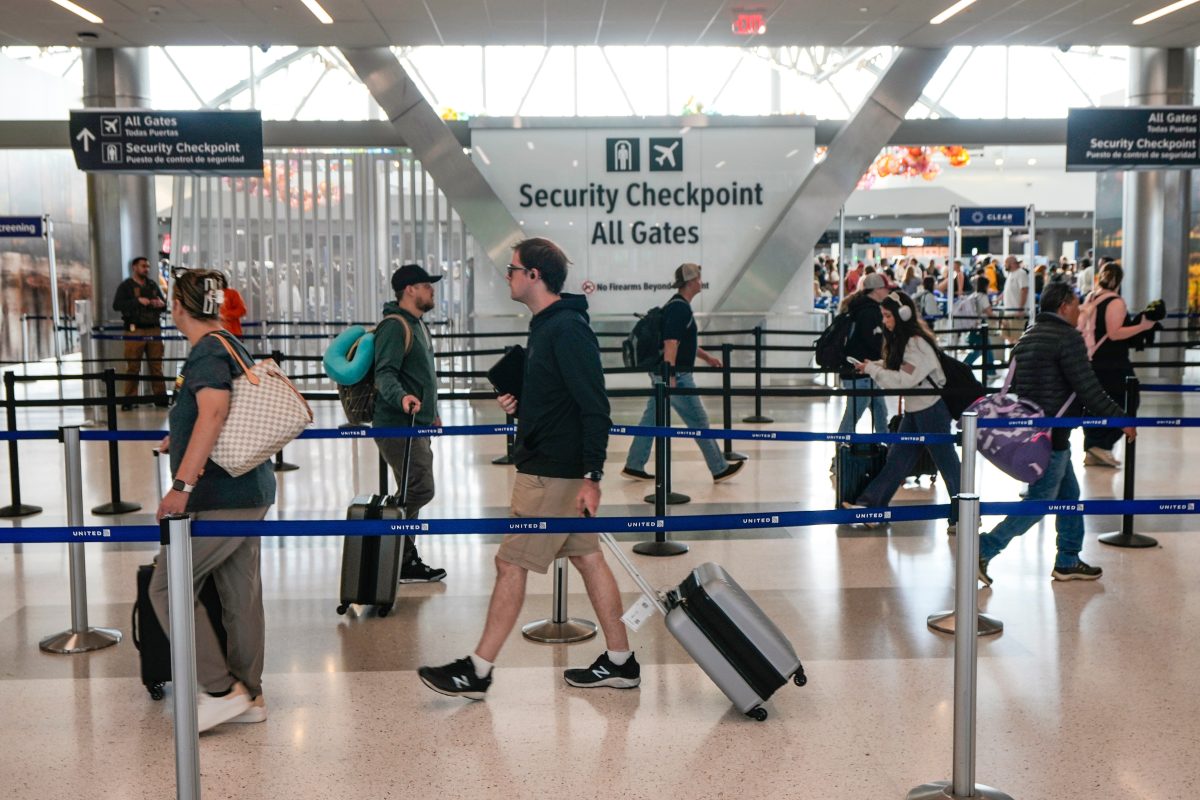
“These pressures are arriving at a time when summer travel demand is ramping up, with major events such as the World Cup expected to put additional strain on airports,” said Eric Napoli, chief legal officer at AirHelp, a firm that helps travelers claim compensation for flight disruptions.
Are cancellations hitting at the last minute?
For now, most fuel-related cancellations are announced days or weeks ahead, not at the gate. Lufthansa, for instance, said this week it is cutting 20,000 short-haul flights across its network through October. That gives travelers more time to adjust plans compared to sudden weather-related groundings.
What to do first if your flight is canceled
Check the airline’s app or website immediately for rebooking options. For U.S. carriers, that’s often the fastest way to secure a new seat, according to Tyler Hosford, security director at International SOS. Non-U.S. airlines typically have fewer digital tools, so try customer service lines or airport counters as well.
Are you entitled to a refund or a new flight?
Generally, yes. Airlines usually offer either a refund or rebooking on the next available flight. In the U.S., if your flight is canceled and you choose not to travel, the airline must refund you—no matter the reason. They may push travel credits, but you’re owed a full refund for airfare and unused extras like baggage fees or seat upgrades.
Passenger rights: not the same everywhere
Protections vary widely. Europe has some of the strongest rules, including compensation for certain cancellations. These apply to any flight departing from an EU airport, regardless of airline, and to flights into the EU on an EU-based carrier. The U.K. has a similar system. The U.S. and Canada offer more limited protections. Asia’s policies are a patchwork, so travelers often rely on airline policies rather than formal regulations. Experts suggest searching “passenger rights” plus your departure country before traveling.
Airlines may blame fuel shortages or rising costs for cancellations, but that doesn’t automatically waive your rights. Under EU law, carriers still have a “duty of care” to provide rebooking and support, Napoli said.
How to prepare and what to document
Sign up for flight alerts, book directly with the airline when possible, and have a backup plan. Save everything: boarding passes, receipts, cancellation notices, and screenshots of app updates. Ask the airline for written confirmation of the disruption and the reason given.
Don’t automatically accept the first rebooking the airline offers. Check other flights, routes, or nearby airports for faster options. If the airline’s alternative doesn’t work—say, it’s days later—you can book your own flight and request a refund, but be ready to pay any fare difference upfront. You may not be reimbursed for the full cost.
For more on how the conflict is affecting air travel, see our report on Lufthansa slashing 20,000 European flights and United CEO warning of a 20% fare hike.