House Democrats are ramping up their campaign to rein in President Trump's military campaign against Iran, planning a series of war powers votes designed to force Republican lawmakers into a public stance on the conflict. Since airstrikes began on February 28, the chamber has held only two votes on resolutions requiring Trump to end hostilities unless Congress explicitly approves. That slow pace is about to accelerate dramatically.
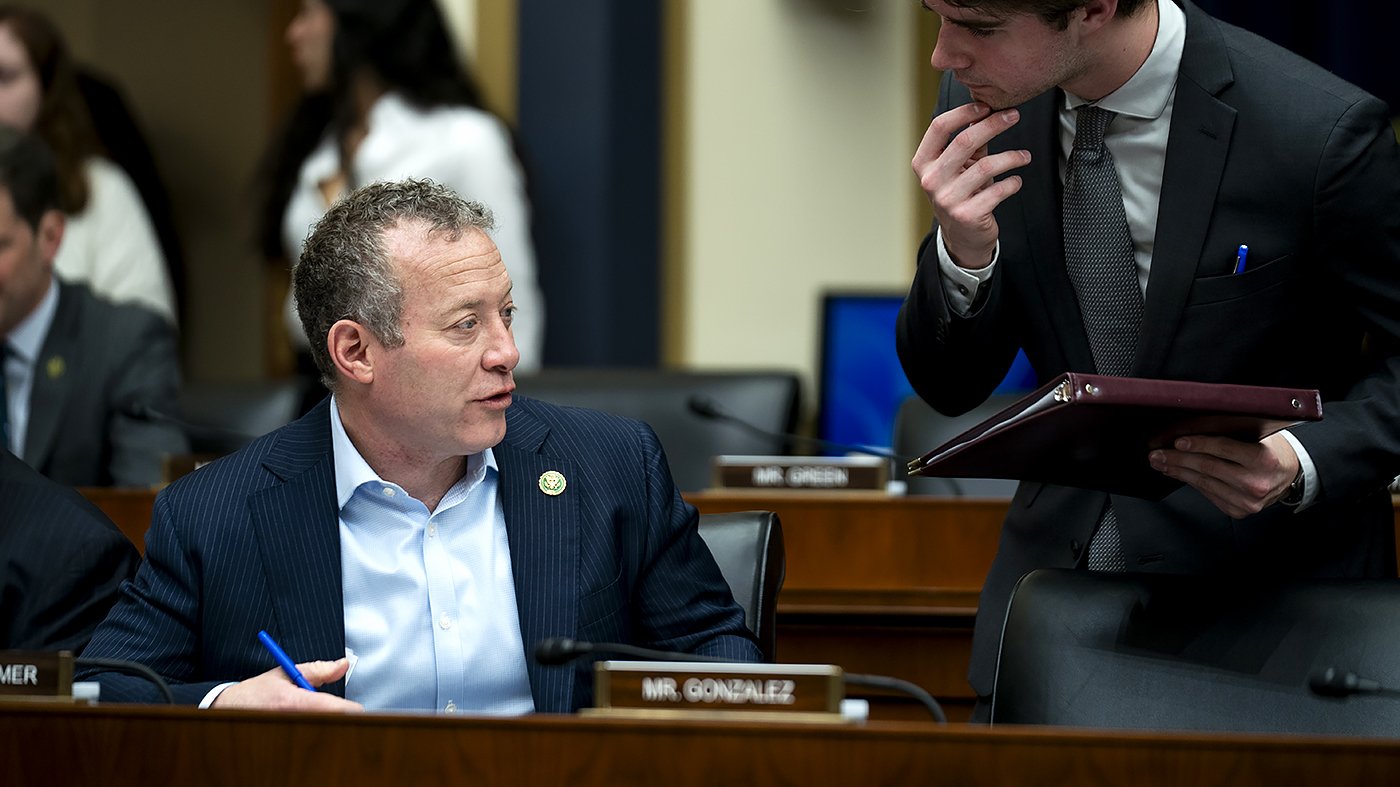
Representative Josh Gottheimer (D-N.J.) is considering bringing his war powers resolution to the floor as early as next week. Meanwhile, a coalition of liberal Democrats, led by the Congressional Progressive Caucus (CPC), is preparing to introduce similar measures in rapid succession throughout May and beyond. The goal is not just to pass legislation—though Democrats hope to eventually secure enough Republican support—but to force prolonged floor debates on an unpopular war and put GOP members on the record regarding Congress's constitutional authority to declare war.
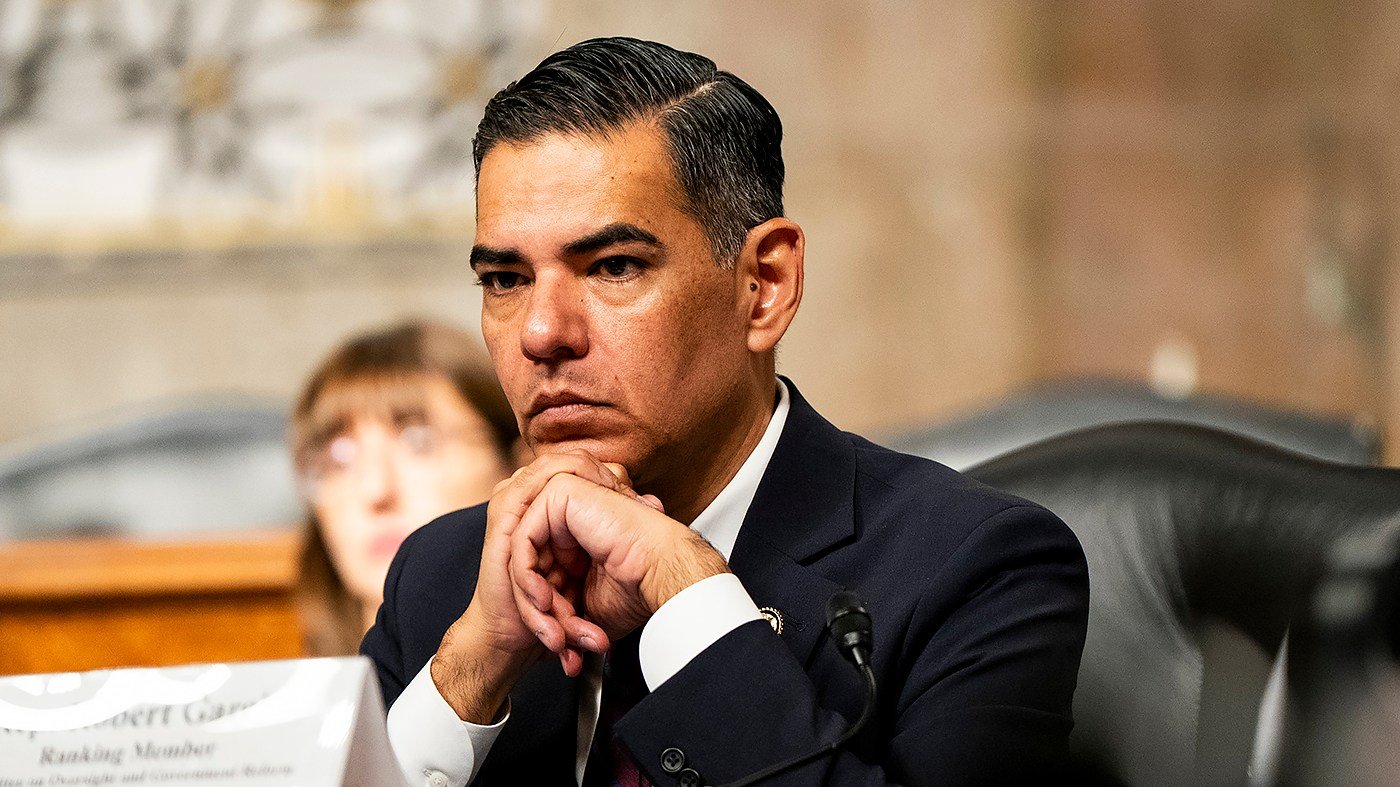
“This is one of the few ways that we can force some debate and accountability,” said Representative Jared Huffman (D-Calif.), who introduced his own resolution this week. Representative Ro Khanna (D-Calif.) unveiled a separate proposal on Tuesday, followed by Representative Pramila Jayapal (D-Wash.) on Thursday. “We want a number of these, with the Progressive Caucus, so that we can call for a vote over and over,” Khanna explained.
The strategy aims to highlight what Democrats see as an unpopular military engagement while intensifying pressure on House Republicans—especially those in competitive districts—to cross party lines. “This should not be a one and done,” Huffman said. “The war is ongoing. Trump has no way out. He’s humiliating us on a daily basis on the world stage, putting us at great risk, so we’ve got to keep this going.”
Under House rules, resolutions become eligible for a forced floor vote after 15 days. Democrats plan to use this mechanism to maintain a steady drumbeat of votes, aligning the lower chamber with the Senate, which has already held five failed votes on similar measures. The conflict is approaching the 60-day mark on April 29—a key threshold under the War Powers Act, which allows presidents to use military force without congressional approval for up to 60 days for national security reasons.
Democrats hope this deadline will sway some Republicans. “We’ve heard a lot of talk from Republicans that they’ll give this president 60 days. And this is a failed effort. And it’s long past time that he come to Congress and explain what the strategy is and what the exit is,” said Representative Katherine Clark (Mass.), the House Democratic whip. “Republicans have been saying that is a crucial timeline for them. So put your vote up on the board.”
Some Republicans have already broken ranks. Representative Thomas Massie (R-Ky.) supported the first two House resolutions, while Representative Warren Davidson (R-Ohio) voted “yes” on the first and “present” on the second. Representative Brian Fitzpatrick (R-Pa.) has introduced his own version, arguing that Trump had unilateral authority for the first 60 days but that Congress should now reassert its warmaking power. Democrats welcome his support but oppose details like excluding ceasefire days from the 60-day count.
Most Republicans remain opposed, warning that limiting Trump’s war powers would undermine efforts to destabilize Iran’s Islamic regime at a critical moment. Even some vulnerable centrists—the very group Democrats are targeting—say the 60-day threshold won’t change their minds, especially since a ceasefire is underway. “The president has upwards of 90 [days],” said Representative Mike Lawler (R-N.Y.). “He’s in the middle of negotiating.”
Representative Ted Lieu (D-Calif.), a former Air Force attorney, dismissed such interpretations. “That statute was meant to limit the president’s power not to expand it,” he said. “And in any event, no federal statute can override Congress’s constitutional authority to declare war.”
The escalating debate comes amid broader tensions in the region, including naval clashes in the Hormuz Strait that threaten the fragile ceasefire. Meanwhile, Democrats are also grappling with internal divisions over midterm strategy, as some push for anti-Trump messaging while others advocate for a policy-focused vision. The repeated war powers votes are part of a broader effort to keep Iran at the center of the political conversation and force Republicans to take a stand.