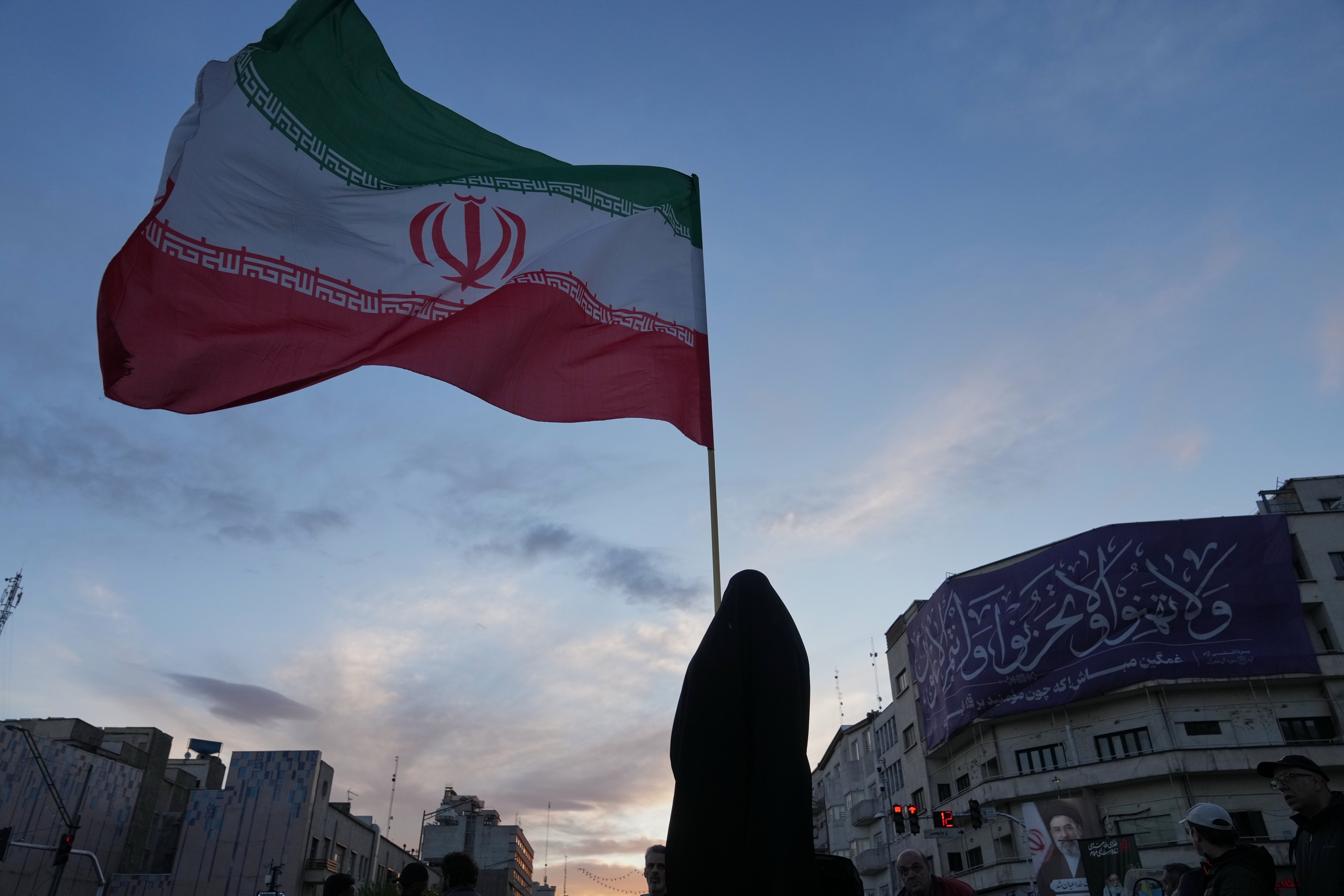
The Treasury Department on Friday imposed sanctions on a Chinese oil refinery and dozens of shipping companies and vessels, including entities linked to Hong Kong, as part of a broader effort to disrupt Iran's oil exports. The move targets a critical source of funding for Tehran ahead of high-stakes talks between the U.S. and Iran expected to take place Saturday.
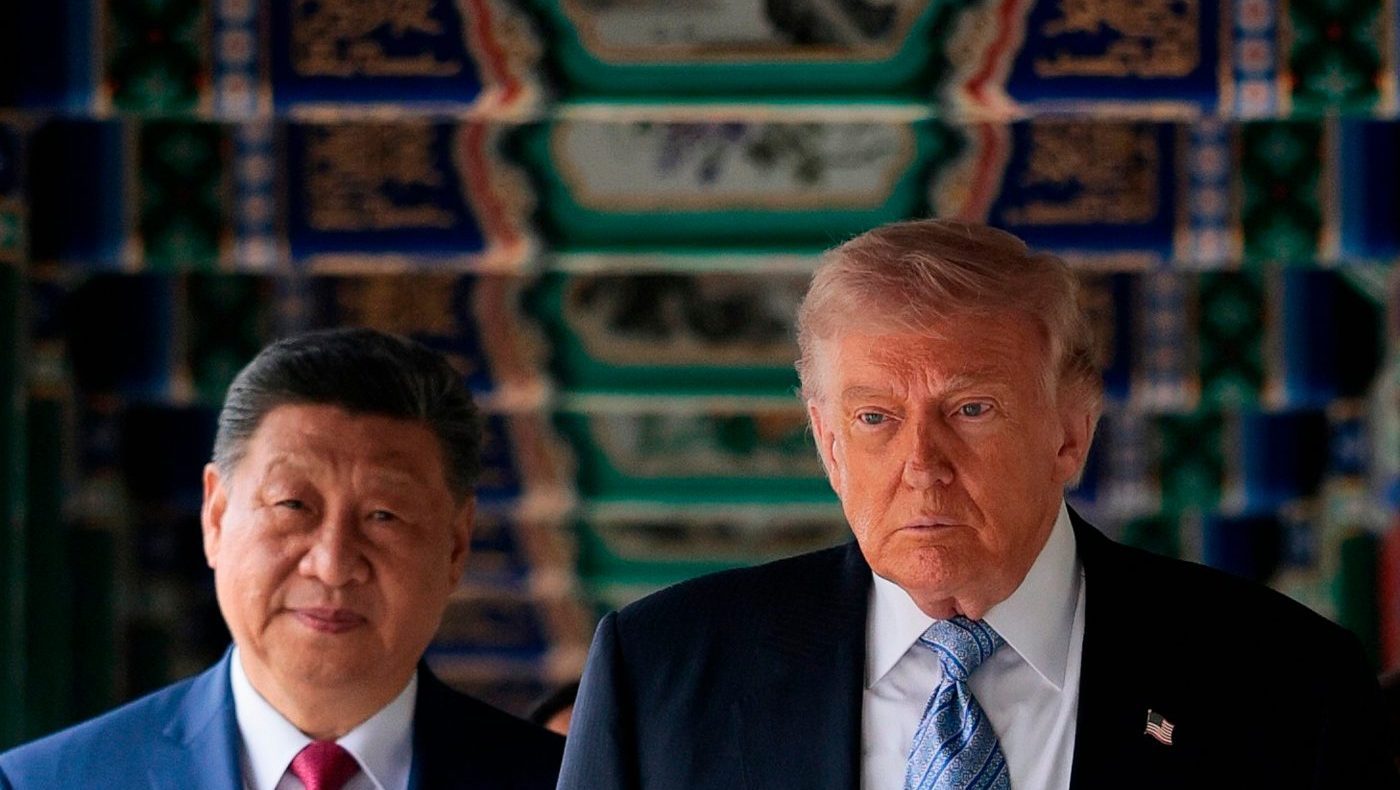
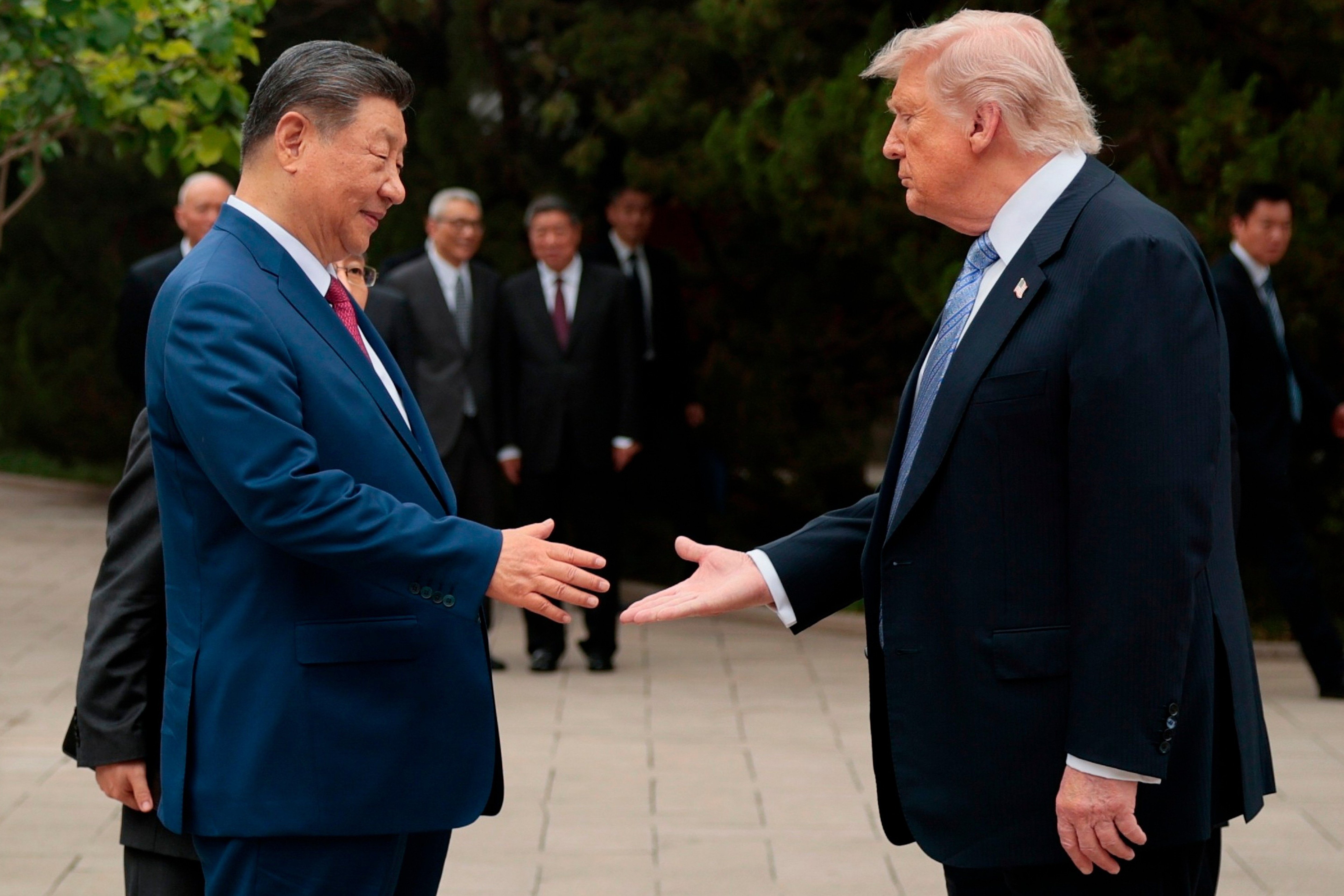
The sanctions also apply pressure on Chinese President Xi Jinping before President Trump's scheduled visit to Beijing in May. Treasury Secretary Scott Bessent said the measures are part of the administration's campaign to cut off the financial lifeline Iran uses to support its military operations.
“Economic Fury is imposing a financial stranglehold on the Iranian regime, hampering its aggression in the Middle East, and helping to curtail its nuclear ambitions,” Bessent said in a statement, referring to the name of the sanctions campaign.
The sanctions come as Trump's top envoys travel to Pakistan to hold discussions with Iranian officials aimed at ending a conflict that has lasted more than two months. The U.S. and Israel began military operations against Iran in February.
China is heavily dependent on Iranian crude, which accounted for 80 to 90 percent of its oil imports before the war began. The newly targeted entity, Hengli Petrochemical (Dalian) Refinery Co., Ltd., is an independent Chinese refinery known in the industry as a “teapot.” The Treasury described these teapot refineries as vital to sustaining Iran's oil economy, noting that Hengli has purchased billions of dollars' worth of Iranian petroleum.
In addition, the Treasury sanctioned 40 shipping firms and vessels that operate as part of Iran's “shadow fleet,” which moves oil through covert trade and financing channels. The sanctions freeze any U.S.-based assets owned or majority-owned by the blacklisted entities and prohibit U.S. persons or companies from doing business with them.
“At President Trump’s direction, Treasury will continue to constrict the network of vessels, intermediaries, and buyers Iran relies on to move its oil to global markets. Any person or vessel facilitating these flows — through covert trade and finance — risks exposure to U.S. sanctions,” Bessent said.
Earlier this month, Trump posted on his social media account that Xi would give him a “big, fat hug” because of a ceasefire with Iran and what he claimed was the reopening of the Strait of Hormuz. However, the key waterway remains closed, with a U.S. blockade on Iranian ports and ships, and Iran continues to threaten commercial and oil vessels transiting the strait.
The sanctions on Chinese firms also come amid broader tensions between Washington and Beijing. The White House recently hit China with charges of industrial-scale AI theft ahead of the Trump-Xi summit. Meanwhile, Bessent has been defending the administration's economic policies, including a $1.5 billion Treasury cut to a Senate panel as inflation driven by the Iran war continues to rise.