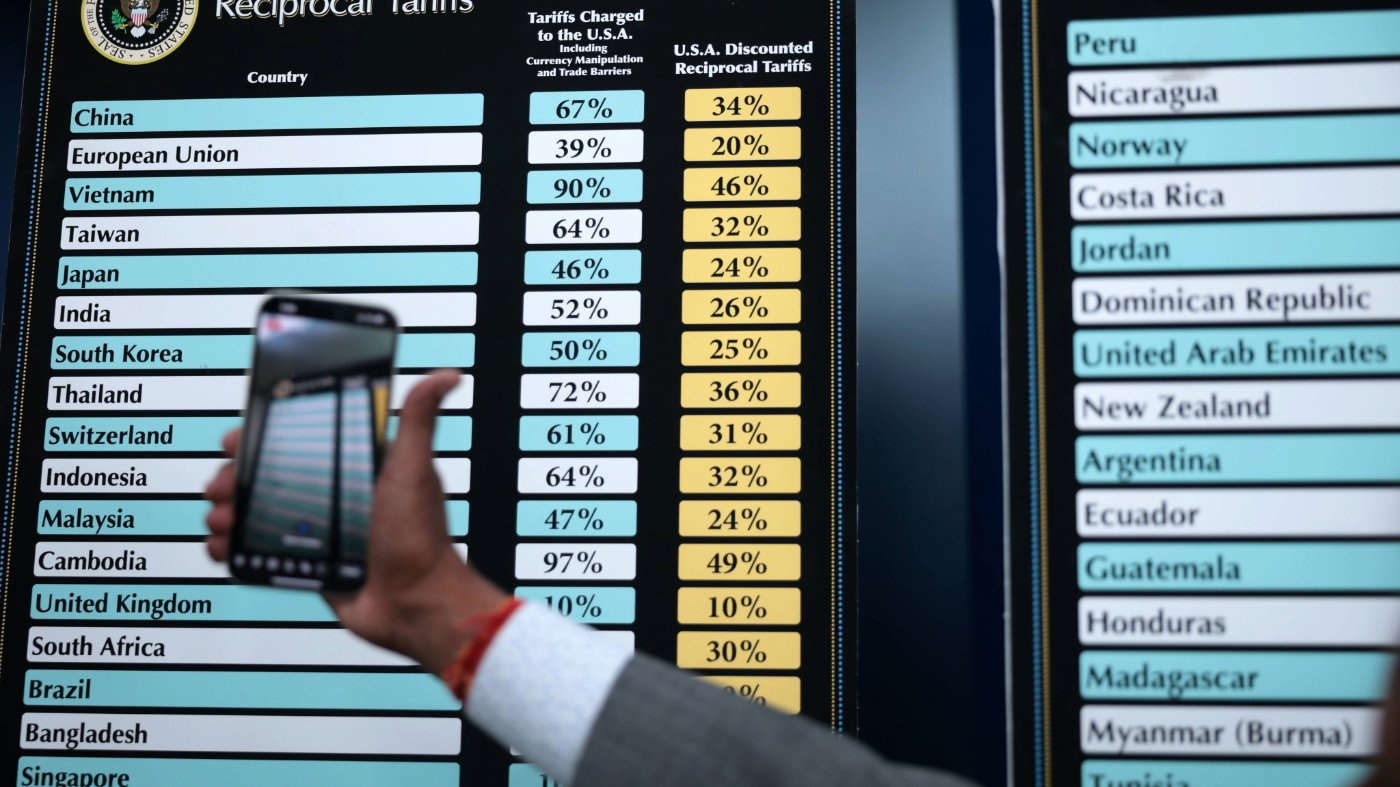
The United States is describing its global trading partners in increasingly negative and uniform terms, according to a new computational analysis of official government documents. The findings reveal a fundamental shift in how Washington uses diplomatic language, moving away from rewarding long-standing free trade allies and toward countries that have recently signed new bilateral agreements.
The Diplomatic Scorecard
Researchers applied natural language processing to analyze the sentiment in the U.S. Trade Representative's 2026 National Trade Estimate Report, a 550-page annual catalog of foreign trade barriers. By scoring each country chapter from -1 to +1 across reports from 2007 to 2026, they identified the tightest negative spread in two decades. The language has become not just critical, but systematically so.
The data reveals two stark patterns. First, countries that signed one of the Trump administration's Agreements on Reciprocal Trade saw dramatic improvements in how they are described. All nine nations that inked such deals, including El Salvador, Malaysia, and Argentina, recorded significant sentiment jumps. Conversely, sentiment fell for the 46 countries without new agreements.
The End of the FTA Premium
Second, and more consequentially, the traditional "free trade agreement premium" has vanished. For most of the report's history, countries with comprehensive FTAs enjoyed consistently more favorable language. That relationship has now collapsed to effectively zero. This represents a rupture in the longstanding diplomatic bargain where market access through negotiated agreements guaranteed favorable rhetorical treatment.
The shift is evident in specific cases. Australia, a close ally with a free trade agreement in force since 2005, posted its most negative sentiment score on record. Mexico, bound by the U.S.-Mexico-Canada Agreement, also fell to its lowest rating. Neither has concluded a new reciprocal trade deal with the current administration. This diplomatic recalibration occurs alongside other foreign policy tensions, such as when European allies have faced criticism over security stances.
In contrast, Bangladesh—long outside the traditional FTA system—recorded a positive score and one of the largest sentiment increases since 2023 after signing a reciprocal agreement. The uniformity and magnitude of these shifts suggest the trade report functions less as a neutral assessment and more as a diplomatic scorecard, rewarding alignment with the current administration's agenda.
Broader Implications
The implications extend beyond rhetoric. The change signals that the currency of favor in Washington's trade discourse has been redefined. Historical partnership and existing comprehensive agreements no longer guarantee positive diplomatic language. What matters now is whether a country has recently "renewed its vows" under the prevailing political framework.
This transactional approach mirrors other policy areas where established agreements are being reassessed. For instance, the administration has moved to nullify previous domestic policy agreements, demonstrating a pattern of prioritizing recent, specific accords over legacy arrangements. Similarly, the focus on reciprocal trade deals aligns with a broader unilateral trade policy facing legal challenges.
The analysis, conducted by Georgetown University scholars, indicates that the executive branch is leveraging the technical language of trade policy to send unambiguous diplomatic signals. As the global trade landscape fragments, the U.S. appears to be systematically downgrading the diplomatic standing of traditional partners while elevating nations willing to engage on new, bilateral terms. This realignment may encourage other nations to seek similar permanent trade arrangements with alternative powers offering more stable long-term access.