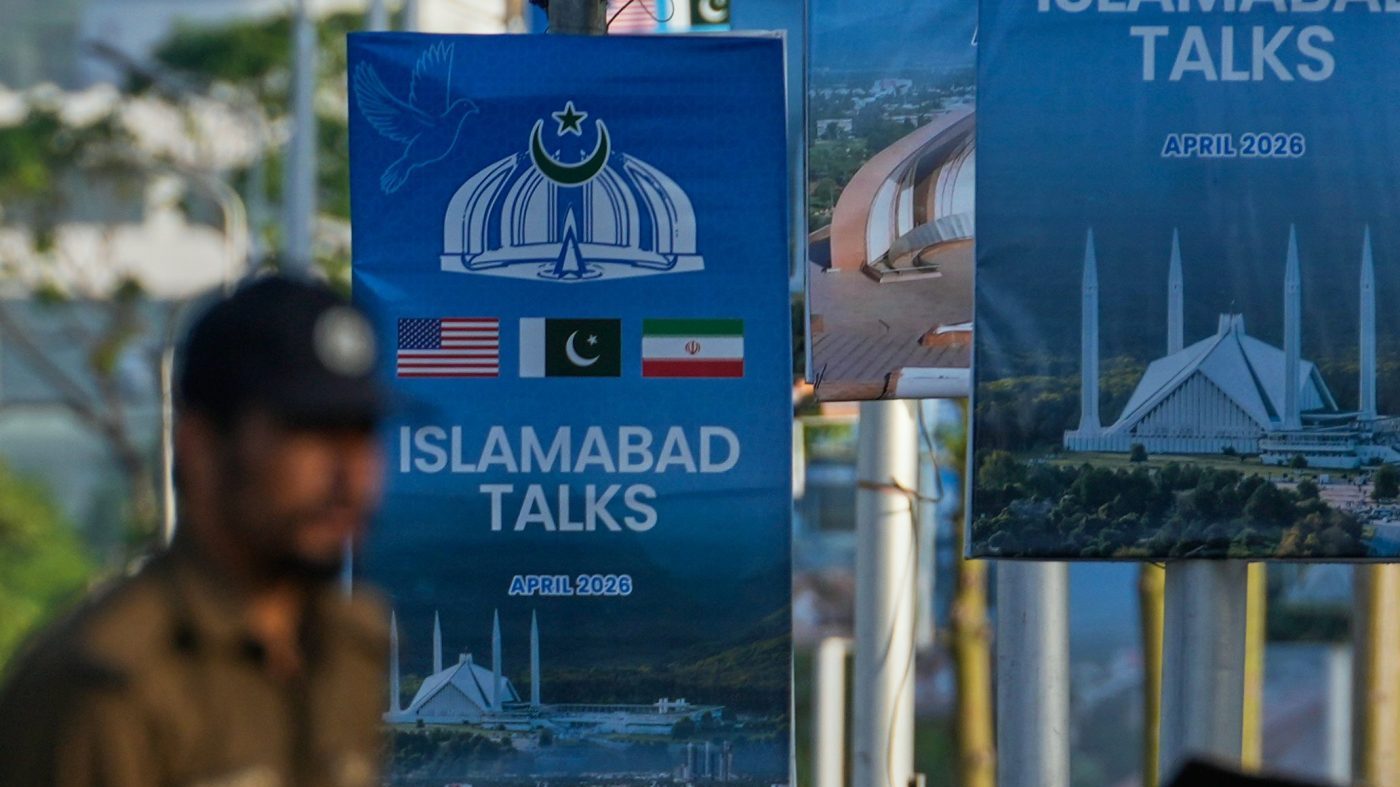
U.S. and Iranian officials are converging on Islamabad this weekend for another round of Pakistani-brokered negotiations aimed at ending a conflict that has raged for nearly two months. But any hope of a breakthrough was tempered Friday when Tehran explicitly ruled out a direct meeting with American envoys.
Iranian Foreign Minister Abbas Araghchi arrived in the Pakistani capital on Friday, according to the nation’s Foreign Ministry. In a post on X, Araghchi said his trip was intended “to closely coordinate with our partners on bilateral matters and consult on regional developments,” adding that he would also travel to Oman and Russia next.

The U.S. delegation, led by special envoy Steve Witkoff and Jared Kushner, President Trump’s son-in-law, is also heading to Islamabad on Saturday. White House press secretary Karoline Leavitt told reporters Friday, “We’re hopeful that it will be a productive conversation and hopefully move the ball forward towards a deal.”
But an Iranian spokesperson quickly doused expectations of a face-to-face encounter. Writing on X, the spokesperson said Araghchi would not meet personally with the U.S. envoys and that Tehran’s position would be conveyed through Pakistani intermediaries. “FM Araghchi will be meeting with Pakistani high-level officials in concern with their ongoing mediation & good offices for ending American imposed war of aggression and the restitution of peace in our region,” the spokesperson wrote.
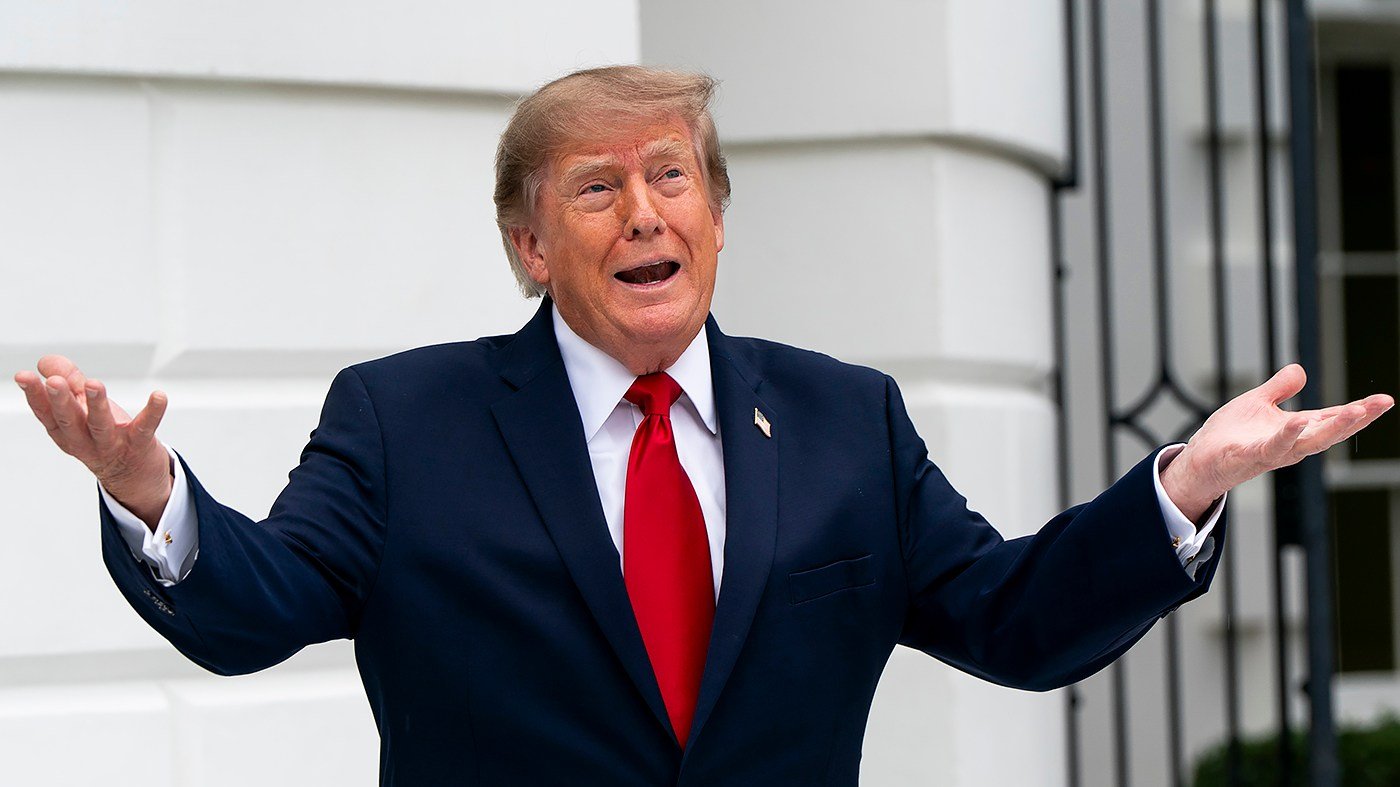
This latest round of talks comes days after President Trump indefinitely extended a ceasefire in the conflict, which has killed thousands and disrupted global markets since joint U.S.-Israeli strikes began in late February. Trump extended the truce to give Tehran time to present a “unified proposal” for peace, citing internal divisions within the Iranian leadership. He told Reuters on Friday that Iran planned to make an offer aimed at satisfying U.S. demands but that he did not yet know the specifics. “They’re making an offer and we’ll have to see,” Trump said during a phone interview. “We’re dealing with the people that are in charge now.”
Trump has insisted he feels no pressure to reach a deal, maintaining that Iran must cease uranium enrichment and reopen the Strait of Hormuz. The waterway remains a flashpoint: U.S. forces and Iran’s Revolutionary Guard Corps (IRGC) are effectively blockading shipping traffic. Iran has fired on vessels attempting to transit the strait, while the U.S. has ordered dozens of ships back to port and intercepted at least one Iranian vessel. The U.S. military is also working to clear Iranian mines from the channel, a critical chokepoint that carries about 20 percent of the world’s oil supply.
Markets have reacted cautiously ahead of Saturday’s talks. International benchmark Brent crude oil was trading around $105 per barrel Friday morning. Analysts are watching closely to see if the indirect mediation can produce a breakthrough or if the conflict will escalate further. For more on Iranian obstruction in the strait, see Stavridis: Stopping Iranian Mine-Layers Key to Reopening Hormuz Strait. On Trump’s frustration with the pace of talks, read Haberman: Trump Frustrated with Iran Talks, Wants to Move On.