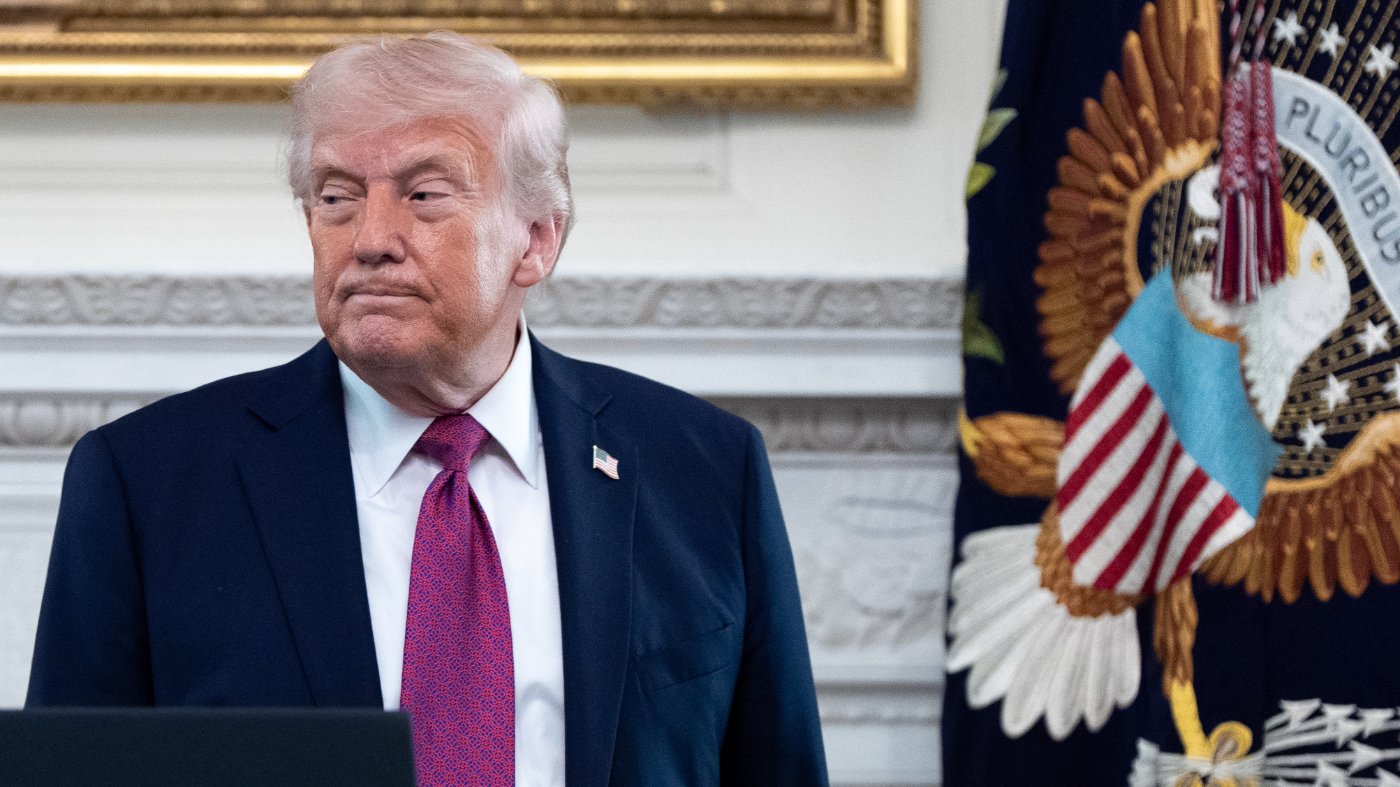
President Donald Trump faces a steep challenge in reversing a sharp decline in public confidence in his economic stewardship, with new polling showing his approval rating on the economy has fallen to just 25 percent among independents. The drop marks a dramatic reversal from his first term, when nearly half of U.S. adults approved of his economic policies.
Three key factors explain the turnaround: Trump's failure to deliver on his promise to curb inflation, a slowdown in job creation since he took office last year, and widening inequality as his policies disproportionately benefit the wealthy. According to CNN data analyst Harry Enten, Trump's average approval rating on inflation is 42 points underwater overall and a staggering minus-60 points among independents.
When Trump assumed office in 2025, inflation was already cooling. The Federal Reserve had raised interest rates from 0.25 percent to 5.5 percent in 2022 and 2023, and goods prices had even declined, with the Fed's 2 percent target in sight. But progress stalled after Trump announced the largest tariff increases in a century last April, causing goods prices to rise again. Inflation has since picked up to 3.3 percent in March, driven by a spike in oil prices linked to the ongoing conflict with Iran. The fallout is expected to ripple through the economy, raising costs for transport, fertilizer, and food.
The labor market has also shifted from robust growth through 2024 to stagnation over the past year. Firms are cautious about hiring due to uncertainty over the impact of tariffs and artificial intelligence. While the unemployment rate hasn't spiked, that's largely because labor supply has slowed due to aging demographics and Trump's crackdown on immigration. The hardest-hit groups are older workers nearing retirement who have been laid off and young people seeking their first jobs.
Another stark difference from Trump's first term is the regressive tilt of his current policies. The 2025 tax cuts primarily benefited the richest Americans, while tariffs and cuts to Medicaid and SNAP have hit lower-income groups. Federal Reserve data shows the top 1 percent of households held about $55 trillion in assets in the third quarter of 2025, roughly equal to the combined assets of the bottom 90 percent.
Trump had planned to campaign on tax refunds, but those benefits are being eroded by surging costs from the Iran war. His 2027 budget proposal calls for boosting defense discretionary spending from $1 trillion to $1.5 trillion, arguing, "It's not possible for us to take care of day care, Medicaid, Medicare … while we're fighting wars."
The big question is whether Trump can sway public opinion before the midterm elections. History suggests it will be tough. Presidents are often at the mercy of economic and market forces—voters reward them when times are good and punish them when they're bad, regardless of actual control. During his first term, Trump benefited from low inflation globally but saw his popularity sink when the pandemic hit.
Today, the rise in inflation, hiring slowdown, and discontent over program cuts are more directly tied to Trump's own policies. He has been reluctant to acknowledge this, and his economic advisors lack the clout to steer him in a different direction. The Iran war has further eroded his standing; a recent poll found 77% of voters hold him accountable for surging gas prices. The best-case scenario is a quick diplomatic end to the conflict and a permanent reopening of the Strait of Hormuz, but even then, oil prices may stay elevated through next year, as Energy Secretary Chris Wright has acknowledged. Some voters may view the Iran war as a bigger policy mistake than Biden's chaotic withdrawal from Afghanistan.