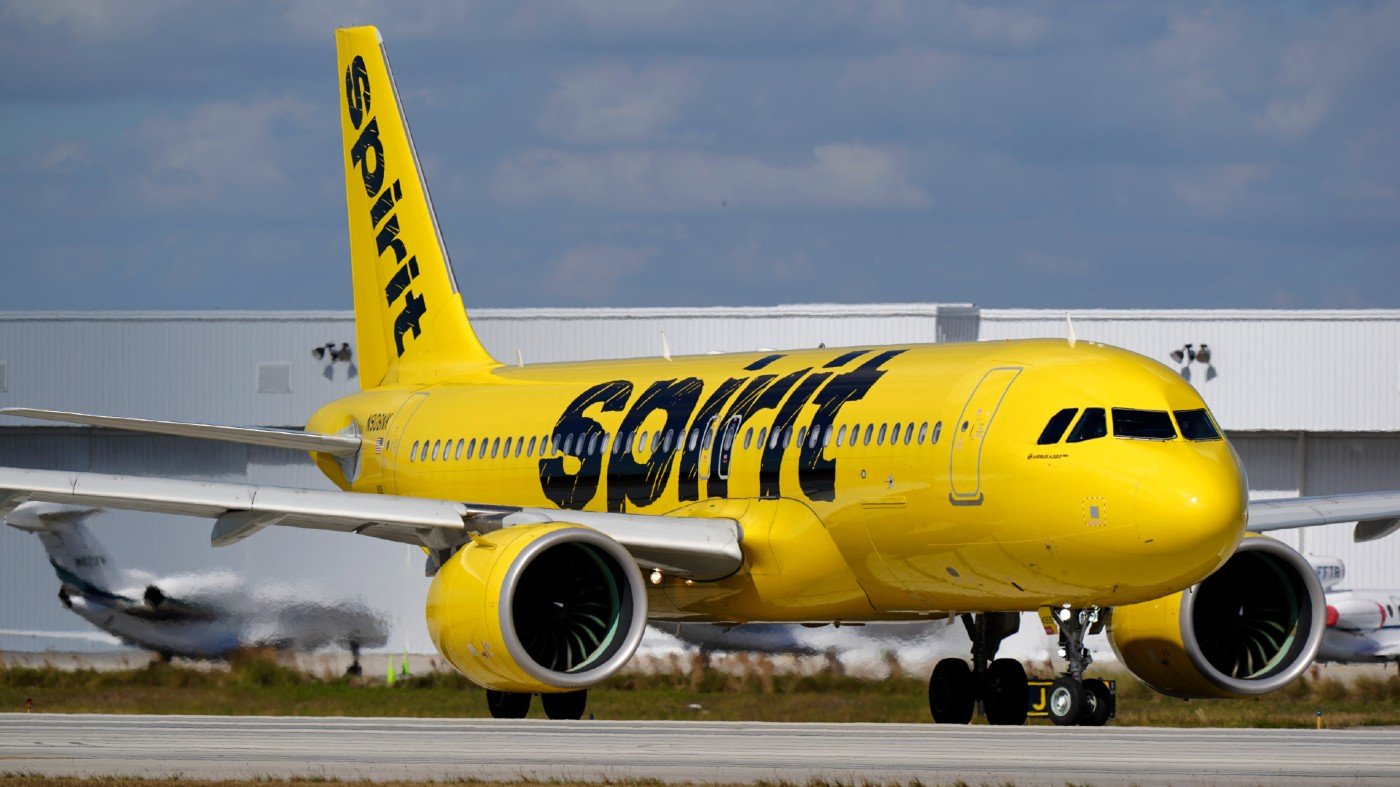
A union representing ground workers at Spirit Airlines is drawing a hard line on any potential federal bailout: protect the workforce or no deal. The International Association of Machinists and Aerospace Workers (IAM), which represents the carrier's ramp service employees, issued a statement Friday demanding that any government assistance come with strict conditions to shield workers from the fallout.
“That means no furloughs, no layoffs, and no shifting the burden onto the very people who keep this airline running,” the union said, making clear that frontline employees should not bear the cost of the company’s financial mismanagement.
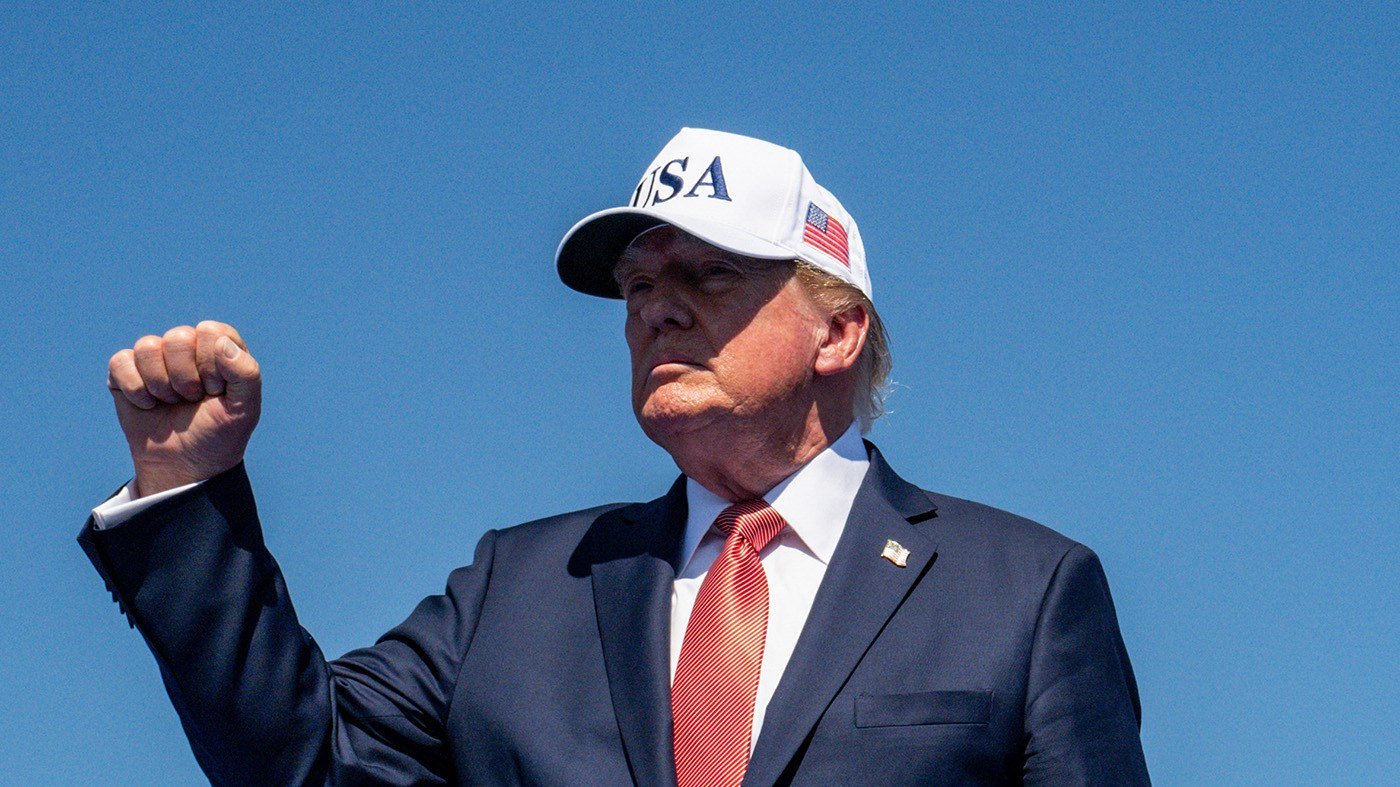
The pushback comes as President Trump floated the idea of a bailout earlier this week, with reports that the administration is considering a $500 million rescue package for the struggling low-cost carrier. A lawyer for Spirit confirmed that the airline is in talks with the government about financing options going forward.
Spirit has been in a tailspin since the COVID-19 pandemic, and its financial woes deepened over the past two years. The carrier filed for Chapter 11 bankruptcy in November 2024 and again in August 2025, underscoring the severity of its troubles.
“IAM Union members at Spirit, and all frontline aviation workers, did not cause this crisis,” the union said. “They should not be the ones forced to pay the price. Any federal assistance must prioritize protecting jobs, preserving pay and benefits, and maintaining the affordable air service that millions of Americans rely on.”
The union pointed to the CARES Act’s Airline Payroll Support Program as a proven model for ensuring worker protections, noting that it successfully kept aviation employees on payroll during the pandemic.
But the bailout plan is already drawing sharp criticism from conservatives, who argue it sets a dangerous precedent for government intervention in private business. Some Republicans have compared the proposed rescue to the Troubled Asset Relief Program (TARP) from the 2008 financial crisis, which was widely condemned by the right for bailing out Wall Street.
Senators Ted Cruz (R-Texas) and Tom Cotton (R-Ark.) have been particularly vocal. Cruz called the plan “a terrible idea” on social media platform X, while Cotton dismissed it as “not the best use of taxpayer dollars.” Conservative groups, including one led by former Vice President Mike Pence, have also joined the revolt against the bailout, warning that it could encourage corporate dependency on federal handouts.
Transportation Secretary Sean Duffy expressed skepticism about the plan during an interview with Reuters on Wednesday. “There’s been a lot of money thrown at Spirit, and they haven’t found their way into profitability,” Duffy said. “And so would we just forestall the inevitable and then own that?” He added, “If no one else wants to buy them, why would we buy them?”
The debate is unfolding as Spirit continues to struggle with mounting debt and operational challenges. The union’s demand for worker protections adds another layer of complexity to the administration’s calculus, as it weighs the political and economic implications of a bailout that could either save jobs or spark a broader backlash.