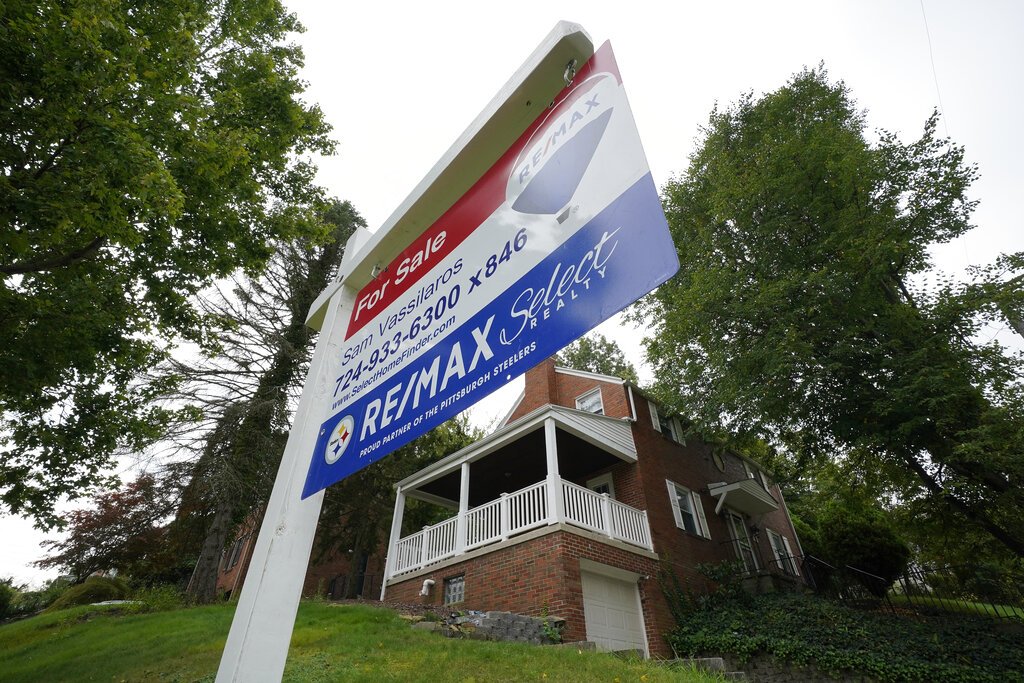
Tens of millions of American households are now three months away from financial collapse, according to a recent national survey that underscores the fragility of the middle class. The survey reveals that a mere $6,000 in additional debt is enough to tip the average family into bankruptcy—a sum equivalent to a used car or a modest kitchen renovation. In a nation that has achieved lunar landings, mapped the human genome, and produced more billionaires per capita than any other, this precariousness marks a stark departure from the promise of upward mobility.
Decades of Economic Erosion
The roots of this crisis stretch back decades. The closure of factories and the decline of manufacturing towns replaced steady paychecks with addiction and economic despair. Political leaders offered promises of transition, but many communities never recovered. The geography of opportunity fractured, and that divide has persisted. Then came the credit boom of the early 2000s, which fostered a false sense of abundance through borrowing. When the 2008 financial crisis hit, markets rebounded quickly, but wages lagged for years. Prosperity looked strong on paper—portfolios recovered, headlines declared victory—yet an entire generation found homeownership out of reach and education saddled with debt before diplomas were earned.
Recent years have erased whatever cushion remained. Inflation peaked at 9% in summer 2022, the highest in four decades. Between March 2020 and December 2025, grocery prices surged nearly 30%. Rent now consumes an ever-larger share of take-home pay. In some states, annual daycare costs rival the salary of a starting teacher in Montana, at roughly $30,000. Bankruptcy has moved from a remote abstraction to a mainstream reality. In 2025 alone, nearly 544,000 Americans filed for bankruptcy—55,000 more than the previous year.
Behavioral Responses Replace Political Action
The public response has been largely behavioral rather than political, signaling a loss of faith in systemic fixes. People cancel nights out, fall behind on rent, and postpone medical appointments—often permanently. This is not irrational; when survival takes precedence, long-term planning becomes a luxury. Financial distress cascades through relationships and communities, reshaping what people believe is possible for themselves. Character changes under sustained strain: optimism fades, risk-taking feels like folly, and innovation slows when the focus is on making it to next month.
Social trust has evaporated alongside personal finances. Institutions that failed to prevent this crisis and offered little relief now command scant confidence. The shared sense of national direction—always partly mythological—has become harder to locate. As energy prices soar and recession risks climb with each new data release, the wind is picking up.
The American Dream was never just about money; it was a promise of upward trajectory, a belief in a better tomorrow. That promissory note hasn't been officially declared worthless, but fewer Americans are accepting it at face value. Reviving it would require structural changes that run against short-term political incentives. For now, more and more Americans move forward with the alertness of those who know the margin is thin, the options limited, and one wrong step leads to a conversation no family wants to have.
This economic fragility echoes warnings from figures like Senator Elizabeth Warren, who has cautioned that an AI-driven debt bubble risks repeating the 2008 financial crisis. Meanwhile, a recent Gallup poll found nearly half of Americans rate the economy as 'poor' as midterms loom, and boxers have warned of a 'dark' economic reality for millions as affordability dominates campaigns.