
Nebraska's political landscape is bracing for a high-stakes paradox. Democrats see a strong chance to flip a House seat in the state's 2nd Congressional District this fall, but that very victory could hand Republicans the power to dismantle a key electoral advantage before the 2028 presidential election.
For years, the GOP has targeted Nebraska's unique system that awards two electoral votes to the statewide winner and one to the winner of each congressional district. That arrangement created the so-called "blue dot" in the Omaha-based 2nd District, which gave Kamala Harris a crucial electoral vote in 2024. Now, Republicans are within striking distance of converting the state to a winner-takes-all model, a move that would erase that Democratic foothold.
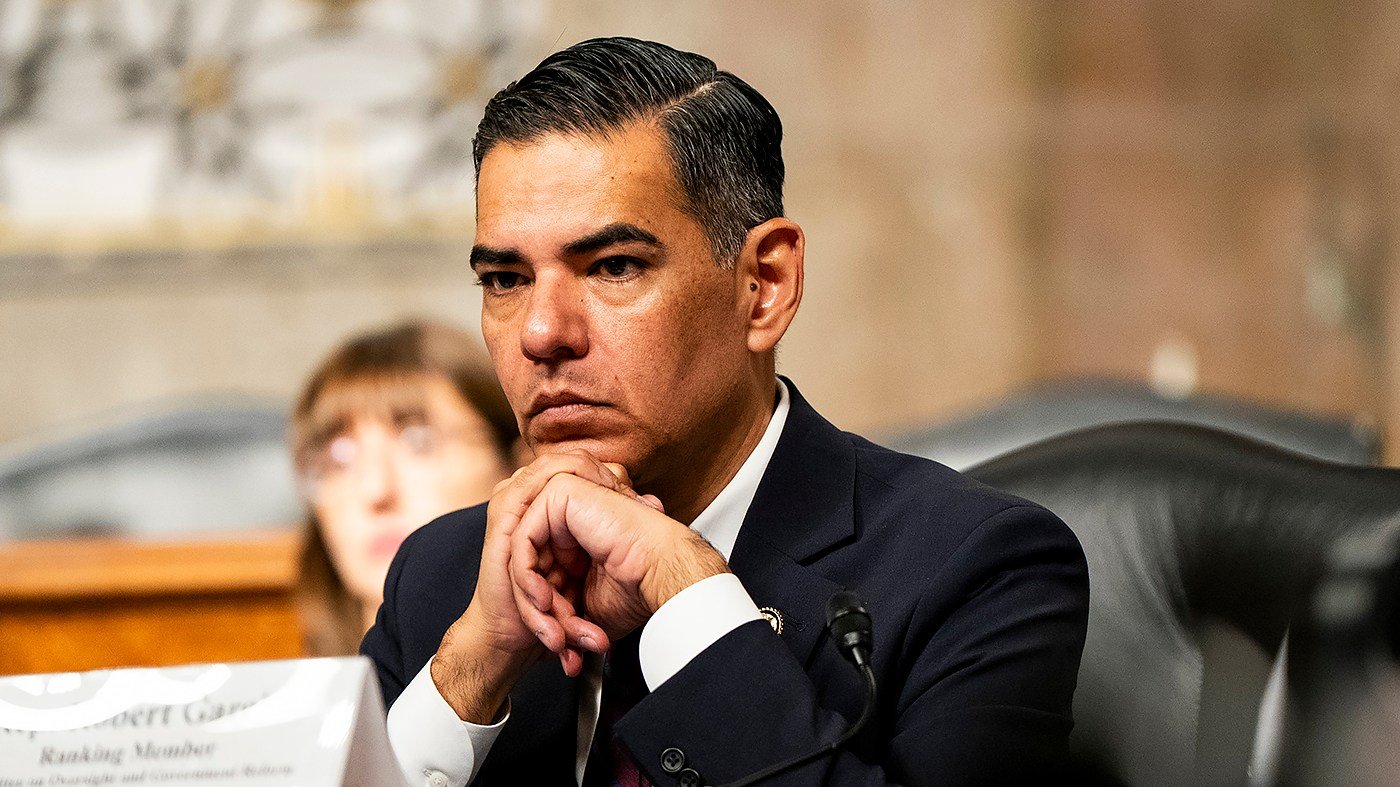
State Sen. John Cavanaugh (D) is running for the U.S. House seat currently held by retiring Rep. Don Bacon (R). If Cavanaugh wins, Republican Gov. Jim Pillen will appoint a replacement to his state Senate seat, potentially securing the final vote needed to pass a winner-takes-all bill. A similar effort failed by just two votes in April 2025, when state Sen. Merv Riepe (R) bluntly stated: "Winner-takes-all is not a 2025 issue. It's an issue for 2028." Pillen has since pledged to "work with allies in the Legislature to get this done in time for the 2028 election."
The implications extend beyond a single electoral vote. Republicans could also gerrymander the district, transforming one of the nation's most competitive House seats into a safe GOP stronghold. Bacon himself has acknowledged that both national and state Republicans are discussing such a move, part of a broader partisan redistricting war. Similar battles have erupted in Florida, where GOP-led redistricting plans have drawn sharp criticism.
If Cavanaugh advances through the primary and wins the general election, Democrats could lose the last competitive district in Nebraska, making it nearly impossible for them to win the presidency without carrying four additional electoral votes beyond traditional blue states. The risk is not hypothetical; former President Donald Trump personally urged Nebraska lawmakers in 2024 to eliminate the blue dot, fearing it could tip the election.
The stakes are also high for abortion rights. Pillen has repeatedly vowed to "end" abortion altogether, pushing to further restrict the state's already strict 12-week ban after a 2023 effort failed by two votes. A Republican replacement in Cavanaugh's seat would bring him closer to that goal, threatening hundreds of thousands of women.
Denise Powell, a mother and small business owner who founded Women Who Run Nebraska after Trump's first inauguration, is running as an alternative. She has helped elect dozens of women and led ballot initiatives to protect abortion access and public school funding. Her campaign focuses on combating MAGA extremism, defending healthcare and education, and lowering costs for working families. Democrats are grappling with how to balance anti-Trump energy with a clear policy vision, and Powell's record offers a tangible model.
Jessica Mackler, president of EMILYs List, argues that Powell can flip the seat without sacrificing the blue dot's power. "With Powell on the ballot, Nebraska Democrats can elect a formidable woman who will put a check on Republicans' extremism," Mackler said.
The choice for Nebraska voters is stark: support a candidate who could inadvertently enable GOP plans to erase the blue dot, or back Powell, who offers a path to both a House win and preserving Democratic competitiveness in 2028. As Karl Rove has warned, aggressive redistricting can backfire, but Republicans in Nebraska are betting the opposite.