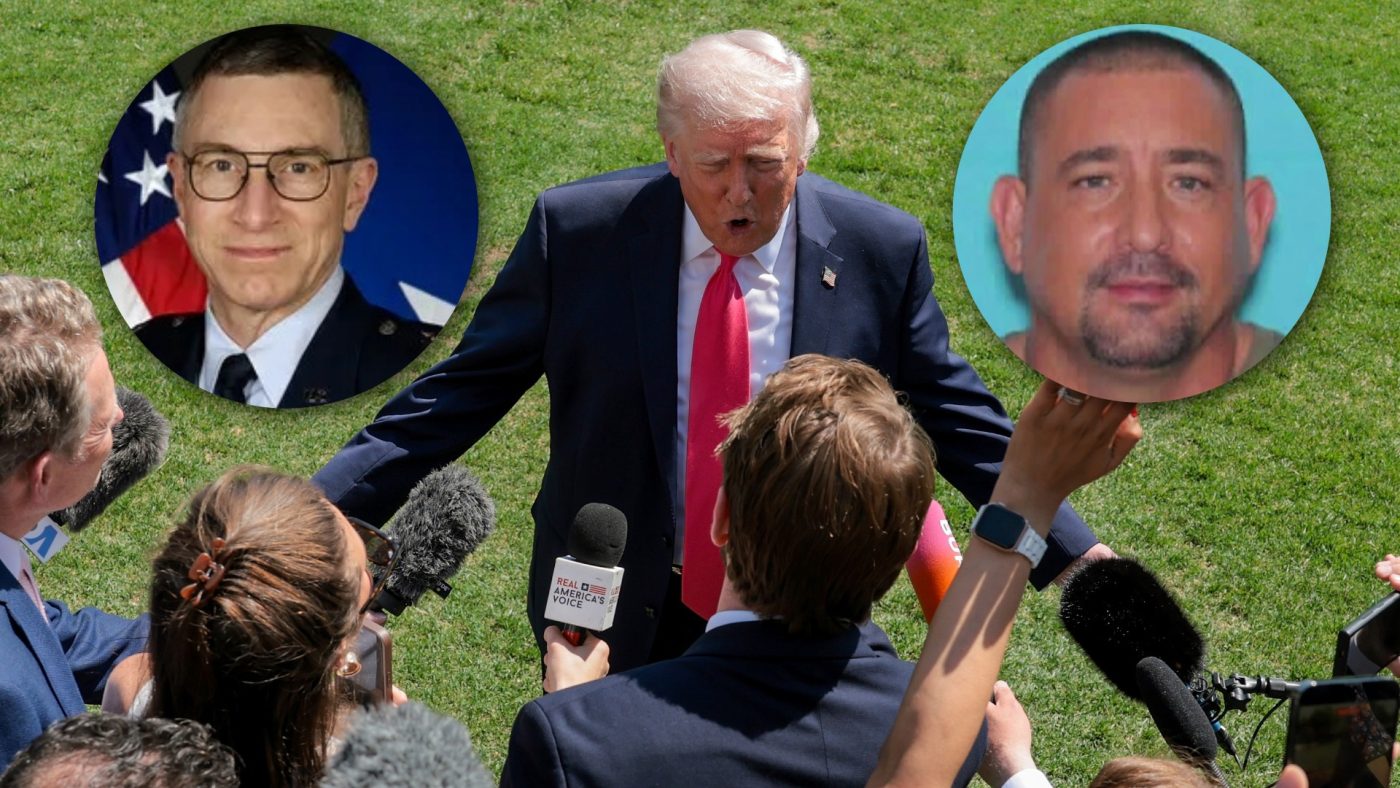
The FBI is reviewing the cases of at least 11 scientists who have either died or vanished since 2022, a growing list that has drawn concern from top officials due to the victims' ties to government research. The probe gained momentum after the disappearance of retired Air Force General William McCasland, a figure with deep connections to military science programs.
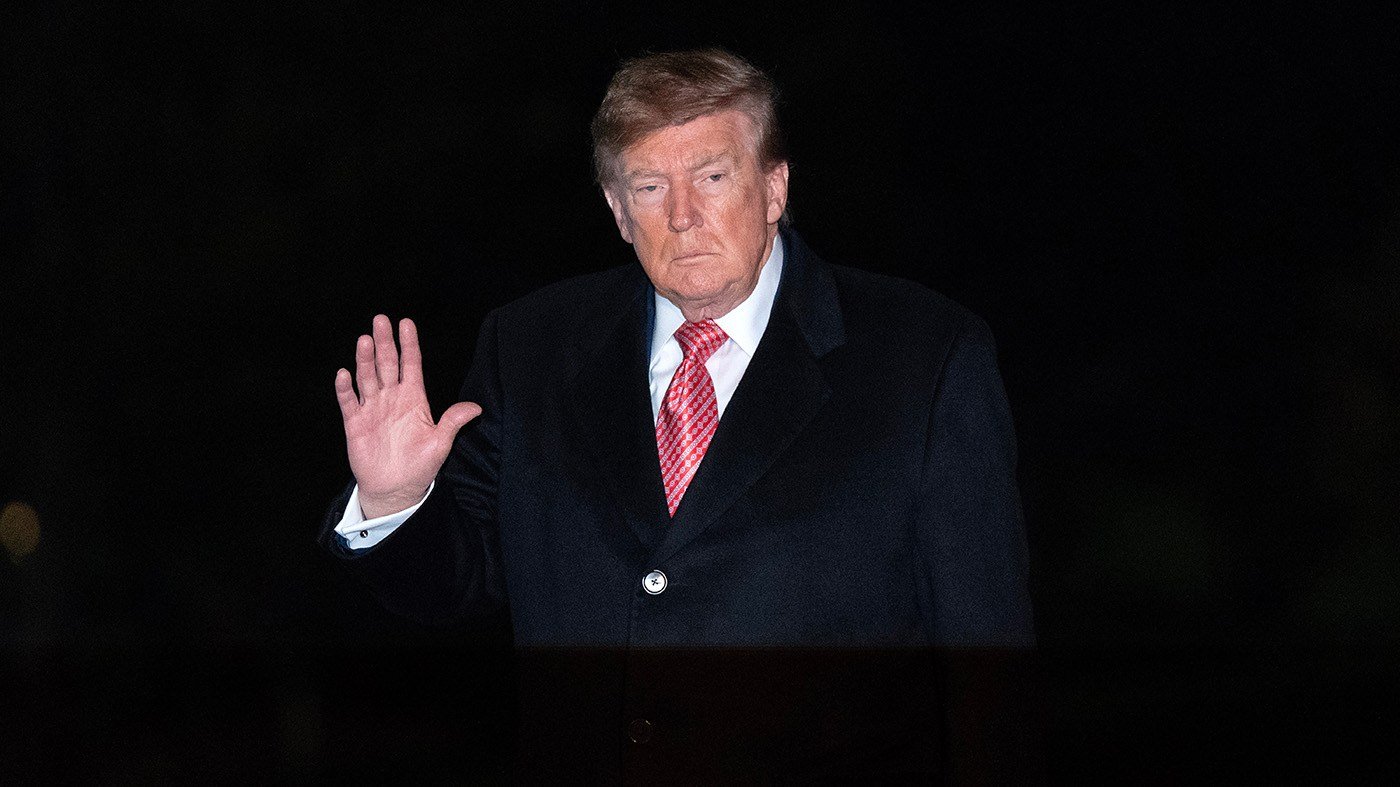
President Trump acknowledged the cases during a press briefing, stating he hopes they are merely coincidental but confirmed that relevant agencies are actively looking into the matter. The White House, FBI, and lawmakers are now coordinating efforts to determine whether a pattern exists.
Timeline of Cases Raises Alarm
The first known incident occurred on June 11, 2022, when a scientist with government affiliations was reported missing. Since then, the tally has climbed, with each case sharing common threads: victims worked on sensitive research, often for federal agencies or contractors, and their disappearances or deaths occurred under unexplained circumstances.
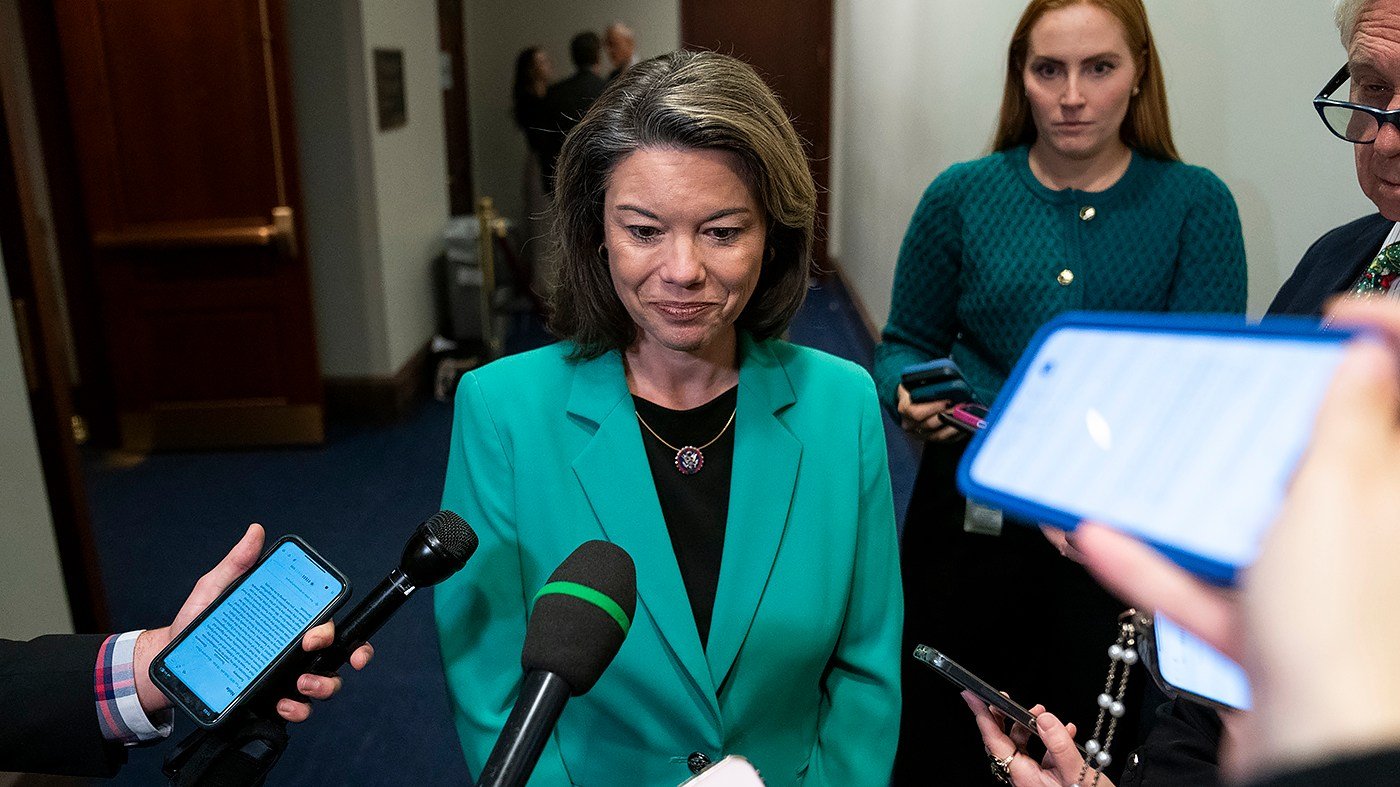
Lawmakers on the House Oversight Committee have pointed to potential foreign involvement. One member suggested that adversarial nations may be targeting U.S. scientists to disrupt critical research or steal intellectual property. This has led to bipartisan calls for a more transparent investigation.
The cases have also reignited debates about national security and the protection of federal researchers. The Pentagon's recent decision to fire the Stars and Stripes ombudsman amid concerns over editorial independence has added to the climate of unease, as some see parallels in how sensitive information is handled.
Political and Security Implications
The Trump administration's stance on the matter remains cautious. While the president has publicly downplayed the possibility of a coordinated attack, his administration has ramped up efforts to tighten security around government scientists. The DOJ's record pace in pursuing citizenship stripping cases underscores the broader push to safeguard national interests.
Meanwhile, the FBI's involvement has raised questions about the agency's priorities under Director Kash Patel. Recent controversies, such as the FBI probing a New York Times reporter over an article about Patel's girlfriend, have fueled concerns about press freedom and the politicization of the bureau.
House Oversight is also probing the missing scientists, with one lawmaker explicitly pointing to foreign adversaries as a potential cause. This aligns with a broader pattern of geopolitical tensions, including the depletion of key missile stockpiles in the Iran campaign, which has raised readiness concerns in the Pacific.
As the investigation unfolds, the scientific community remains on edge. The cases have prompted calls for better protection of researchers, especially those involved in cutting-edge fields like energy and defense. The administration's divided stance on gas prices amid the Iran conflict further complicates the narrative, as economic and security issues intertwine.
For now, the FBI has not released a definitive link between the cases, but the sheer number and the profile of the victims ensure that this story will remain under intense scrutiny.