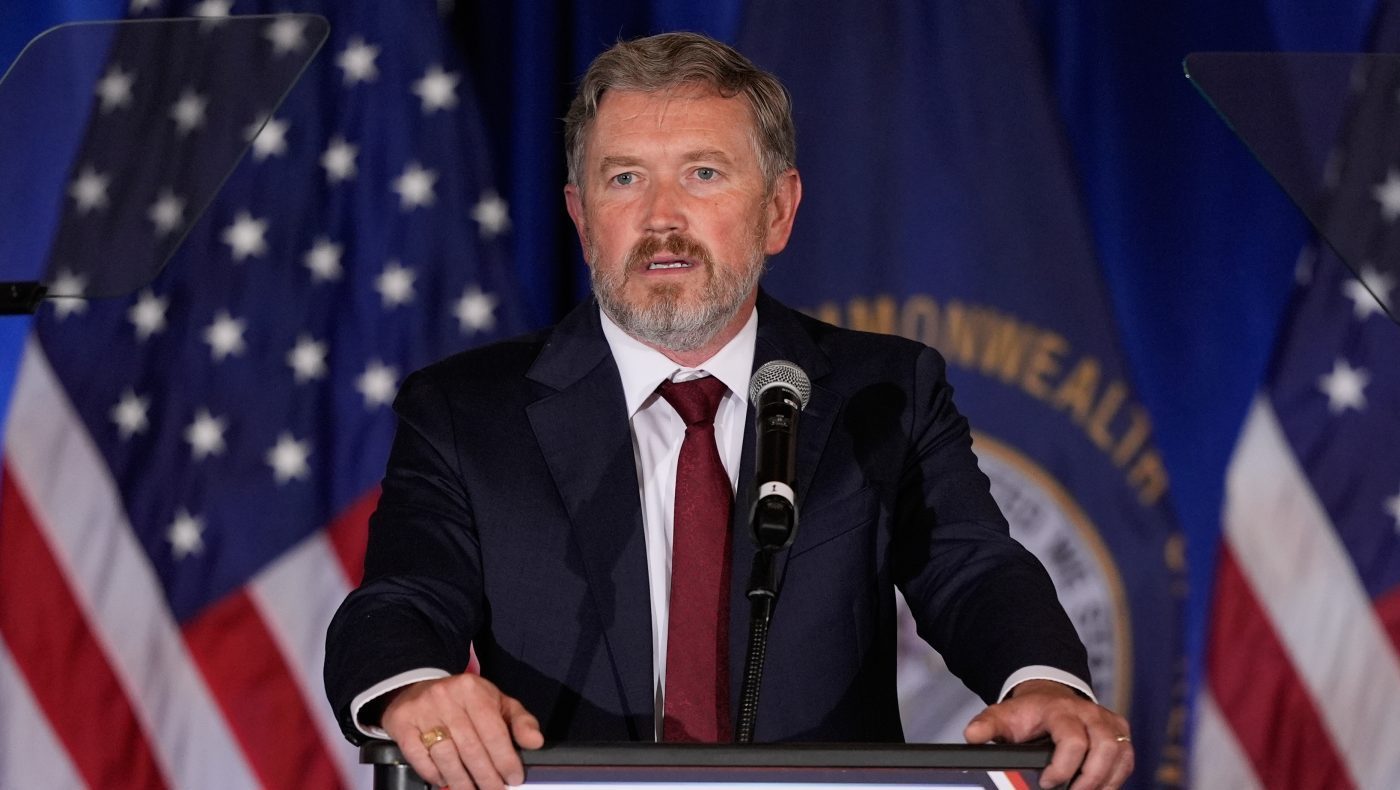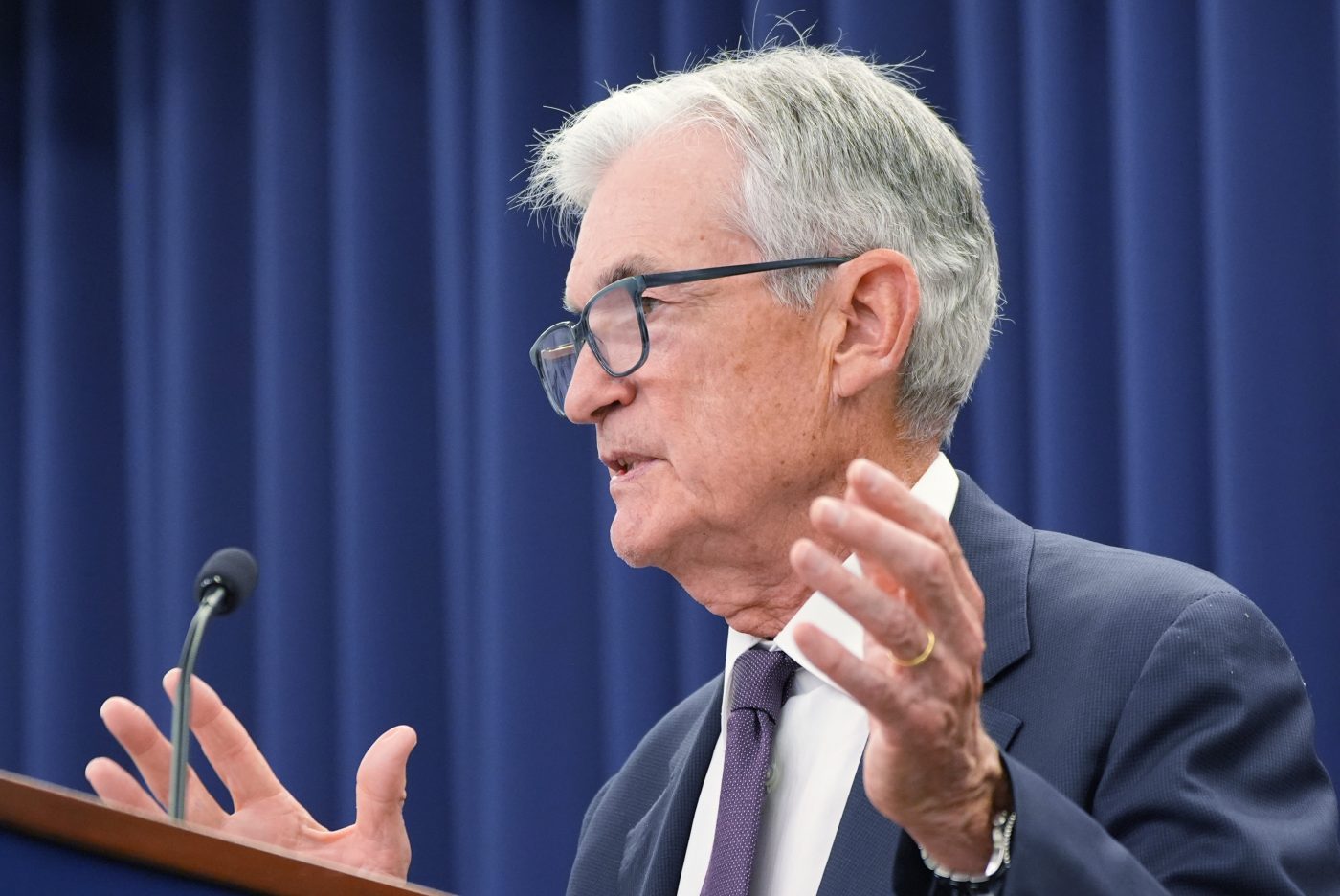
The Federal Reserve held interest rates unchanged on Wednesday, keeping its benchmark range at 3.5 to 3.75 percent, as President Trump's nominee to lead the central bank, Kevin Warsh, moved closer to confirmation. The 8-4 vote by the Federal Open Market Committee (FOMC) is widely expected to be Jerome Powell's last as chair.
Earlier in the day, the Senate Banking Committee advanced Warsh's nomination along party lines, 13-11, sending it to the full chamber. The move came after the Department of Justice closed its criminal investigation into Powell's handling of Fed renovations, clearing a key hurdle set by Senator Thom Tillis (R-NC), who had blocked the nomination until the probe was dropped.
Warsh is seen as more amenable to interest rate cuts than Powell, aligning with Trump's repeated calls for looser monetary policy. However, analysts caution that Warsh will face a tough road ahead. "This accelerates the timeline for a Kevin Warsh confirmation and increases the likelihood that the April meeting will be Jerome Powell's last," wrote Stephen Kates, financial analyst at Bankrate, in a research note. "The odds of rate cuts in 2026 appear slim as of today, and economic conditions are likely to keep them that way throughout the summer."
The decision to hold rates steady comes amid soaring energy prices linked to the ongoing conflict with Iran. Inflation rose to 3.3 percent year-over-year in March, as measured by the Consumer Price Index, the highest in nearly four years. Gas prices surged 21.2 percent in March alone, with overall energy costs up 10.9 percent, driven by the effective closure of the Strait of Hormuz.
Powell's tenure has been marked by repeated clashes with Trump, who has publicly criticized the Fed for not cutting rates quickly enough. The president's frustration was a central factor in the delay of Warsh's confirmation. Powell revealed in January that the DOJ had opened a criminal investigation into his role in Fed renovations, sparking bipartisan pushback. After U.S. Attorney Jeanine Pirro announced the DOJ was handing the probe to the Fed's inspector general, Tillis dropped his opposition.
Senator Elizabeth Warren (D-MA), the top Democrat on the Banking Committee, condemned the nomination process and Trump's economic policies. "On the same day that the Senate is voting to advance Trump's nominee to be his sock puppet at the Federal Reserve, the Fed is meeting to decide on interest rates," Warren said in a statement. "One man continues to stand in the way of lower interest rates and lower costs: Donald Trump. First, his chaotic tariffs and reckless economic policies hammered the job market and raised prices. And now, his war with Iran is driving costs even higher."
The FOMC vote saw Powell joined by Vice Chair John Williams, Michelle Bowman, Lisa Cook, Philip Jefferson, Anna Paulson, and Chris Waller in holding rates steady. Three members—Beth Hammack, Neel Kashkari, and Lorie Logan—supported the decision but objected to an easing bias in the statement. Stephen Miran, Trump's appointee to the board, was the sole dissenter, voting for a quarter-point cut.
With the April meeting likely to be Powell's last, attention now turns to the Senate floor, where Warsh's confirmation is expected before May. The next FOMC meeting in June will be his first as chair, but he will need to navigate a divided committee and skeptical markets. "Warsh will need to win over colleagues and gain the confidence of the markets to effectively carry out his role as chair," Kates noted.
For more on the DOJ's handling of the Powell probe, read our coverage of the Tillis backing Warsh after the investigation closed. The intersection of monetary policy and geopolitical conflict is also explored in our piece on Hegseth and Caine facing House grilling as the Iran war reaches 60 days. Additionally, the broader economic impact is analyzed in calls to confirm Warsh to restore dollar credibility.