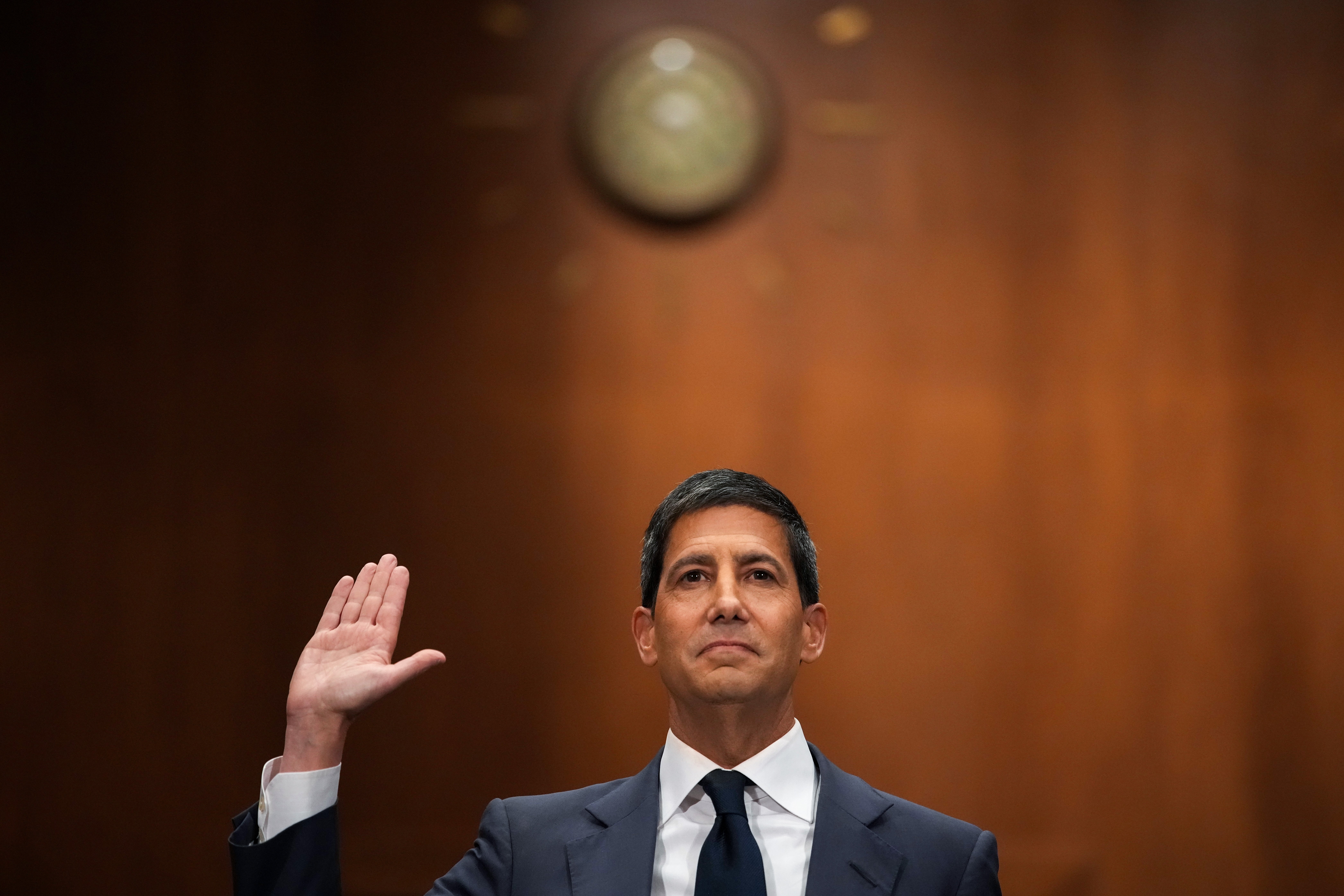
The Senate is facing mounting pressure to move quickly on Kevin Warsh's nomination as Federal Reserve chairman, with supporters arguing that delay would undermine efforts to restore trust in the dollar and the nation's economic direction. Warsh, a former Fed governor, is seen as a serious candidate capable of addressing inflation and reining in a central bank that has grown too large and erratic.
The urgency stems from the lingering economic damage of the Biden era, where Democrats dismissed rising prices as temporary while pursuing heavy spending and weak fiscal discipline. American families felt inflation as a direct hit to their living standards, and the Fed's missteps have kept structural inflation above its 2% target for too long. President Trump understands that economic recovery hinges on confidence in the broader system, not just growth figures. That confidence affects investment, consumer behavior, and the perceived seriousness of institutions.
The Trump administration is working to repair years of Democratic mismanagement, starting with the Fed. Warsh represents a disciplined, strategic approach to monetary policy at a time when the nation cannot afford confusion or complacency. His confirmation is not just a domestic issue; it's a question of America's global financial standing. The dollar remains the world's leading reserve currency because foreign governments and investors believe in U.S. monetary leadership. That trust is fragile and depends on the Fed's commitment to price stability and credibility.
If foreign investors doubt the Fed's resolve, confidence in the dollar could weaken, affecting capital flows, demand for Treasuries, and borrowing costs. The next Fed chair must understand that credibility is strategic, not symbolic. Warsh gets that. He has focused on a neglected aspect of inflation: the Fed's balance sheet. He argues that inflation cannot be understood solely through interest rates; the central bank's massive holdings of long-term Treasury and mortgage securities distort price signals and encourage permanent intervention.
As of April 16, the Fed's balance sheet stood at about $6.7 trillion, including $4.4 trillion in Treasury securities. Warsh is right that such a large footprint weakens market discipline. A smaller balance sheet would mean more honest pricing and a clearer line between monetary policy and fiscal accommodation. It would signal a return to disciplined central banking. The Senate doesn't need to agree with Warsh on every issue, but it should recognize he's asking the right questions.
The confirmation process is a test of whether Washington takes monetary credibility seriously. The Fed chair is one of the most important economic officials globally, watched by investors, central banks, businesses, and families. Delay sends a message of hesitation when decisiveness is needed. The Senate should act with urgency to confirm Warsh now, as recent developments have cleared the path for his nomination.
Warsh's approach aligns with broader efforts to restore economic discipline. As Senator Tillis has backed Warsh, the momentum is building. The Senate must seize this opportunity to restore trust in the dollar and the Fed.