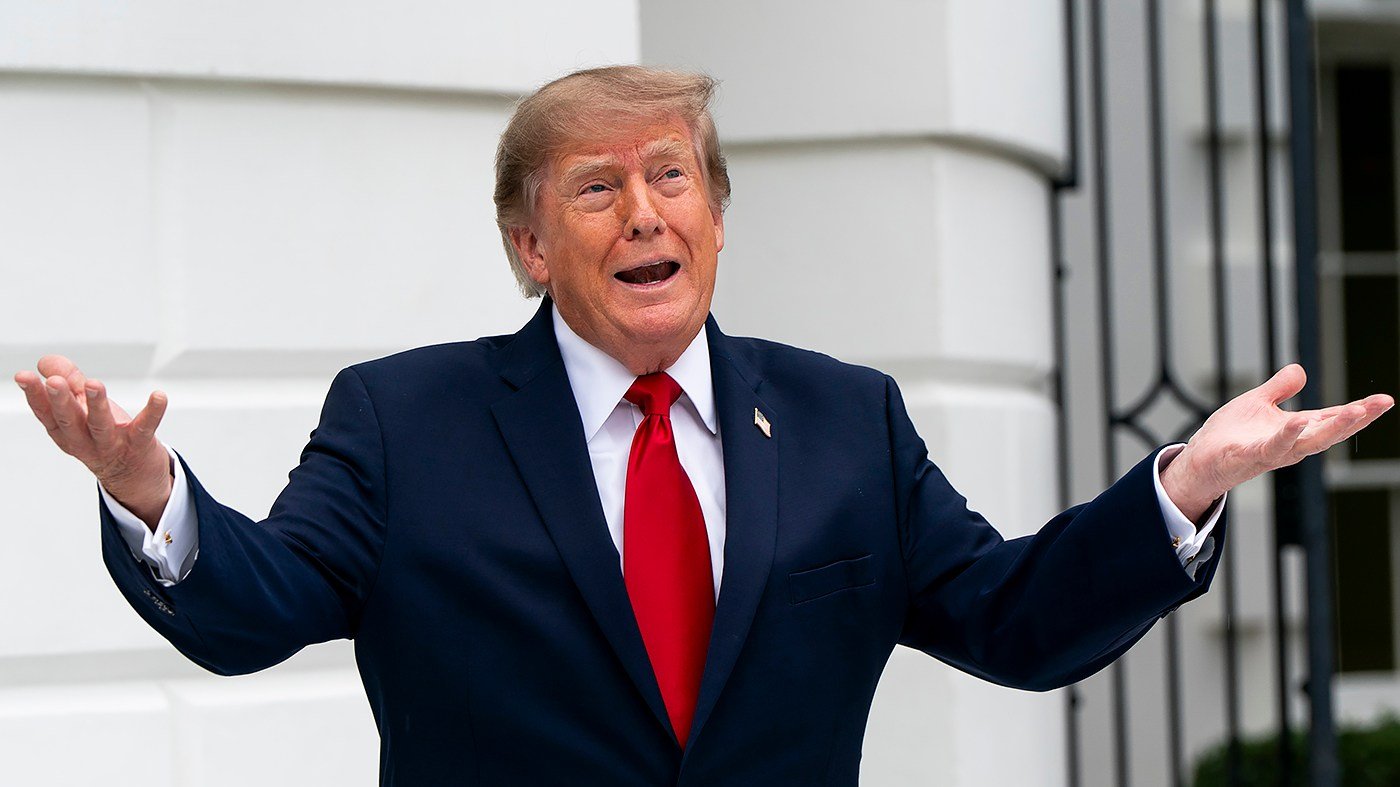
Forty-five years after John Hinckley Jr. nearly killed President Ronald Reagan outside the Washington Hilton, another gunman tried to storm the same hotel's ballroom during the White House Correspondents' Association dinner on Saturday night. The suspect fired at least one shot before being tackled by security, triggering an evacuation of President Donald Trump and senior officials.
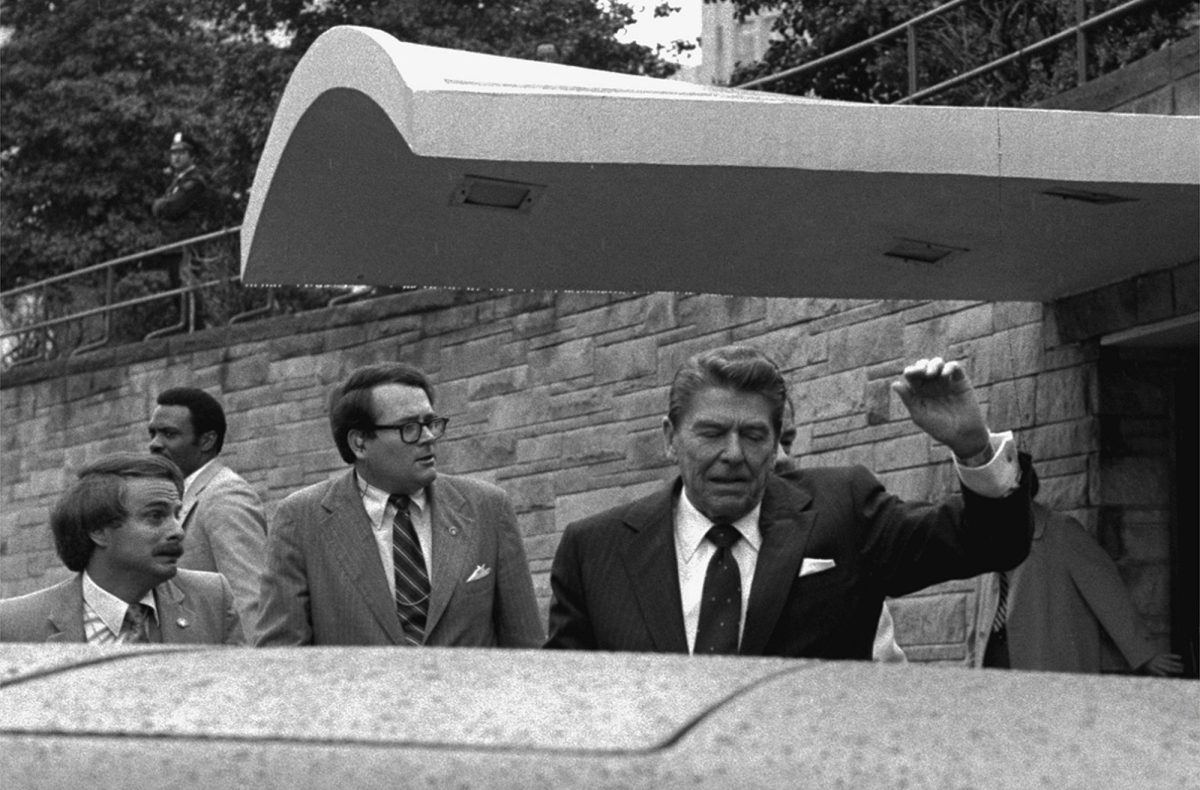
The incident has revived painful memories of March 30, 1981, when Reagan was shot in the chest as he left the hotel's VIP entrance. But the differences are stark. Saturday's assailant never breached the ballroom or got close to Trump, thanks to a security checkpoint that, while flawed, stopped him short. Still, the similarity in venue has prompted comparisons and raised questions about how much has truly changed.

“Security is a lot more robust today than it was then,” said Stephen T. Colo, a former assistant director of the Secret Service. “But you still deal with the same tension involving politicians and the public’s access to them.”
The Washington Hilton was built with presidents in mind. Its cavernous ballroom and dedicated VIP entrance were designed to host high-profile speakers, and in the decade before Reagan was shot, presidents visited more than a hundred times. After the 1981 attack, the hotel added a bunker-like garage for the armored limousine and reinforced security perimeters. The Secret Service installed metal detectors and checkpoints at White House events—measures Hinckley had not faced.
Yet even these upgrades are not foolproof. The Hilton's many public areas make it difficult to seal off entirely, and on Saturday, the suspect—identified by law enforcement as 31-year-old Cole Tomas Allen of Torrance, California—sprinted through a checkpoint near the ballroom. Video posted by Trump shows agents pivoting and drawing weapons as the man fled. An officer was shot but saved by a bullet-resistant vest.
Allen had traveled by train from California to Chicago and then to Washington, checking into the hotel days earlier, according to Acting Attorney General Todd Blanche. Minutes before the attack, Allen sent writings to family members referring to himself as a “Friendly Federal Assassin” and railing against Trump administration policies—what investigators increasingly see as a politically driven attack. The manifesto made repeated references to Trump, according to an official not authorized to speak publicly.
In 1981, Hinckley got within 15 feet of Reagan, firing six shots in 1.7 seconds that wounded the president, press secretary Jim Brady, a police officer, and a Secret Service agent. Reagan survived after a bullet lodged an inch from his heart. Hinckley was found not guilty by reason of insanity. The Secret Service later overhauled its protocols, but former agents say the Hilton remains a challenge.
“The main checkpoint was near the ballroom, not the lobby, to avoid disrupting hundreds of guests,” one former agent noted. Inside, heavily armed tactical officers were stationed close to the president. That setup likely prevented Saturday's attacker from reaching his target, but the episode has renewed calls for tighter security at presidential events.
Trump has backed the Secret Service and ordered a security review. Meanwhile, GOP lawmakers like Rep. Hamadeh are urging Congress to tighten security at such gatherings. The DOJ is also pressuring a preservation group to drop a lawsuit over the ballroom, citing the attack.
The echoes of history are unmistakable, but the response may define a new era of presidential protection.