Sen. Ron Johnson (R-Wis.) is urging his party to eliminate the Senate filibuster to force through Department of Homeland Security funding, following what he described as the third assassination attempt against President Donald Trump. In an interview on Fox News's "Sunday Morning Futures" with Maria Bartiromo, Johnson argued that the moment demands drastic action.
"At a moment of national danger, if Democrats refuse to fund DHS, I would say this would be the time to nuke the filibuster for good," Johnson said. He acknowledged the procedural maneuver, often called the "nuclear option," would set a precedent allowing legislation to pass with a simple majority, bypassing the traditional 60-vote threshold to end debate.
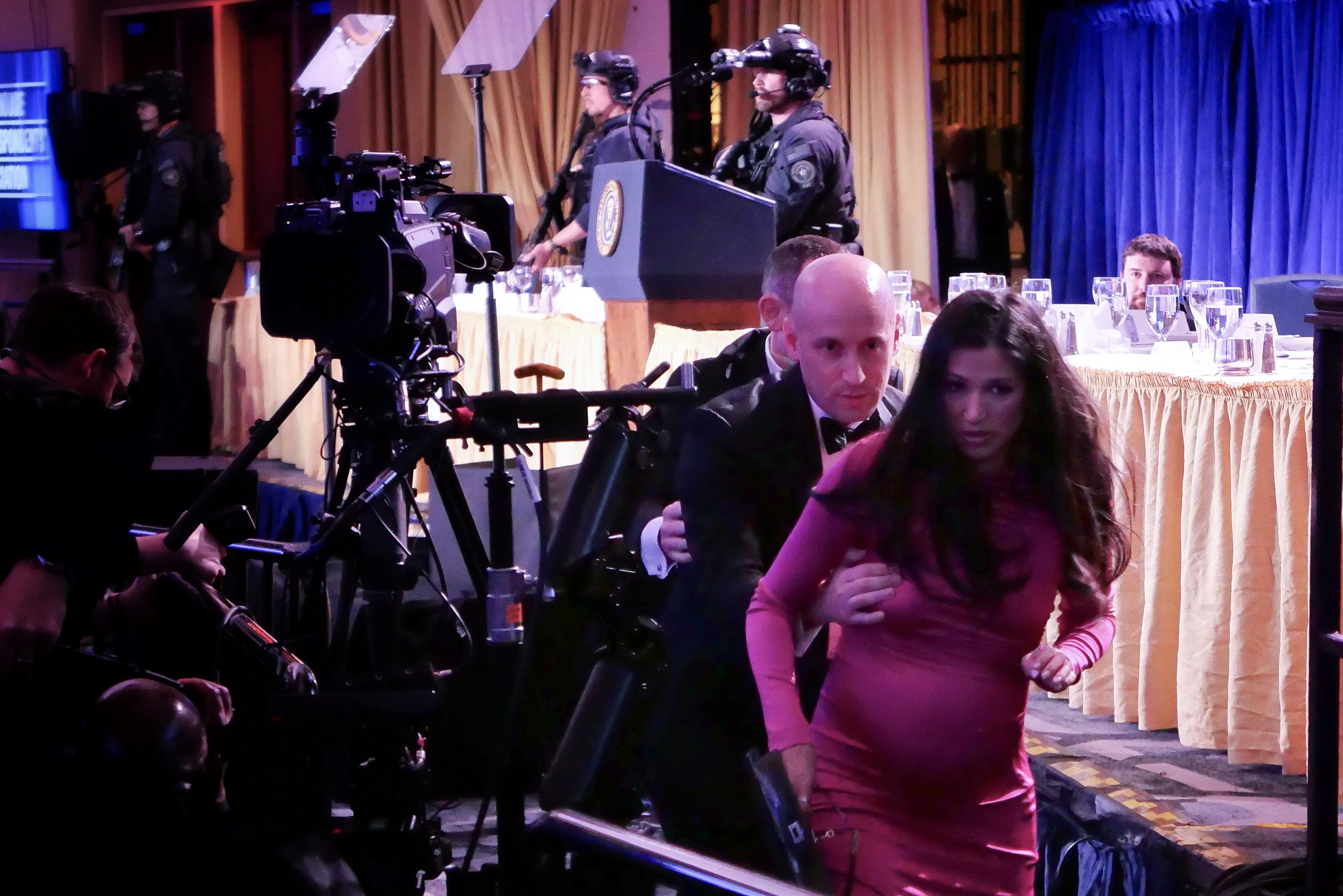
Johnson conceded that Republicans might want to preserve the filibuster to block future Democratic priorities, calling it a tool to "block awful socialist, leftist legislation." But he insisted the Senate is "already broken enough" and that another assassination attempt against Trump—combined with the ongoing military conflict with Iran—warrants a break from tradition. "The Democrats will do it when they get the majority," he warned, urging colleagues to "rip the Band-Aid off." The shooting at the White House Correspondents' Association dinner has intensified security concerns, with Trump ordering a security review in response.
This is not Johnson's first call to scrap the filibuster. He previously endorsed the move to pass the SAVE America Act, Trump's top legislative priority, which would require documented proof of citizenship for voter registration and photo ID for all voting. Republicans could eliminate the filibuster by setting a new Senate precedent, allowing a simple majority to end debate on a measure—a step considered so controversial it is dubbed the "nuclear option." Senate Majority Leader John Thune (R-S.D.) pledged to preserve the filibuster when he ran for the leadership post in November 2024, but Johnson's push tests that commitment.
The broader political fallout from the shooting has been significant. Some GOP lawmakers, like Rep. Hamadeh, are calling for tighter security at events, while others have criticized media coverage of the suspect. The attack also prompted calls for a bipartisan panel on political violence from Rep. Ro Khanna (D-Calif.). Johnson, however, framed the issue squarely around funding and institutional rules.
The filibuster has been eroded before. In 2017, during Trump's first term, Republicans lowered the threshold for Supreme Court nominees to a simple majority, enabling the confirmation of Neil Gorsuch. Johnson's latest proposal would extend that logic to legislation, fundamentally reshaping Senate procedure. "The Senate's already broken enough," he said, arguing that the current crisis demands action.