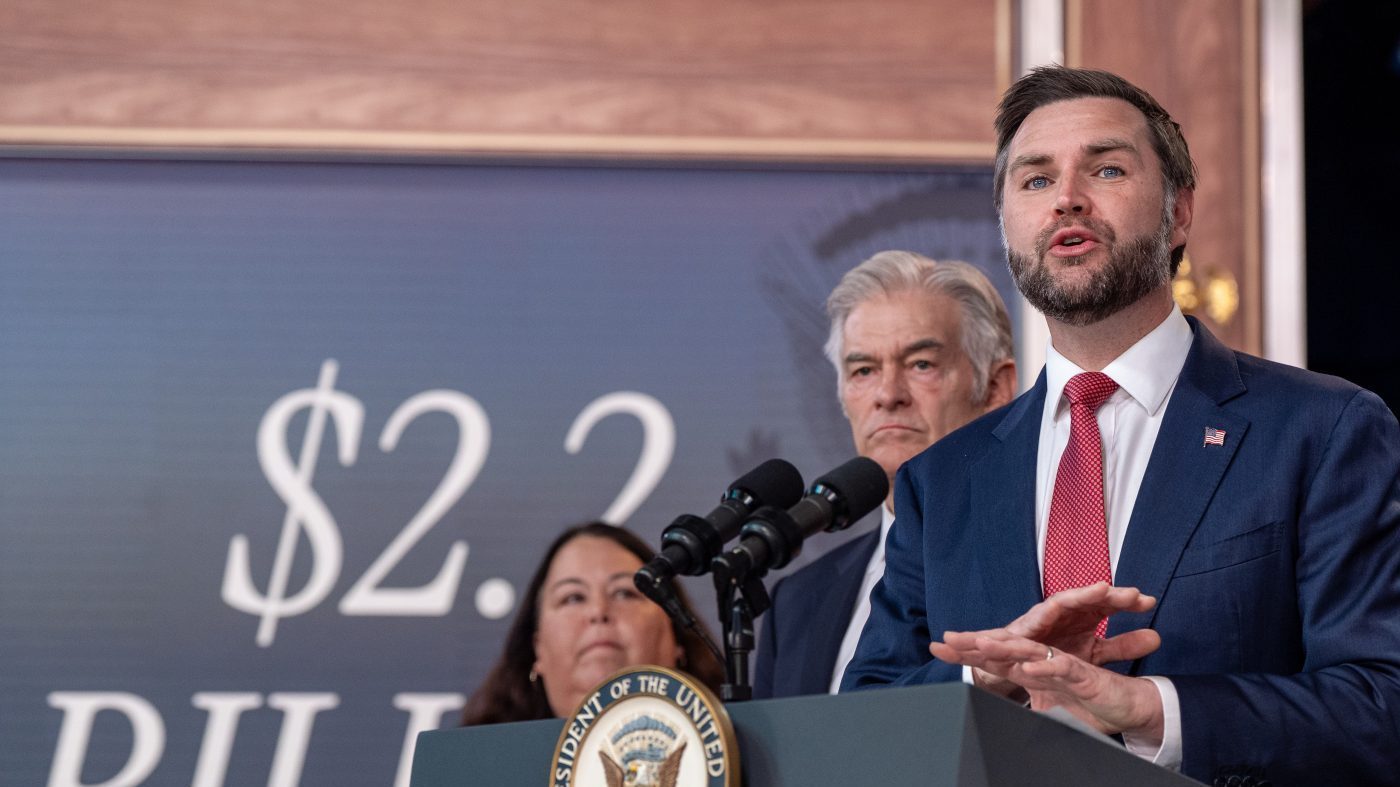
More than a year after the 2024 election, the Democratic Party's long-anticipated postmortem on its losses remains unpublished, fueling internal strife and deepening questions about why the party again fell to President Trump. The Democratic National Committee (DNC) Chair Ken Martin drew sharp criticism in November when he first signaled the autopsy would not be released, and recent comments reaffirming that stance have only intensified the backlash.
Martin defended the party's internal assessment this week, arguing that releasing the 200-page document would lead to unproductive "navel-gazing" when the party should focus on future elections. "I don't have a time machine," he told Jon Favreau on the "Pod Save America" podcast. "The only thing we can do is actually change what happens in the future, including the '26 election cycle, '28 and beyond."

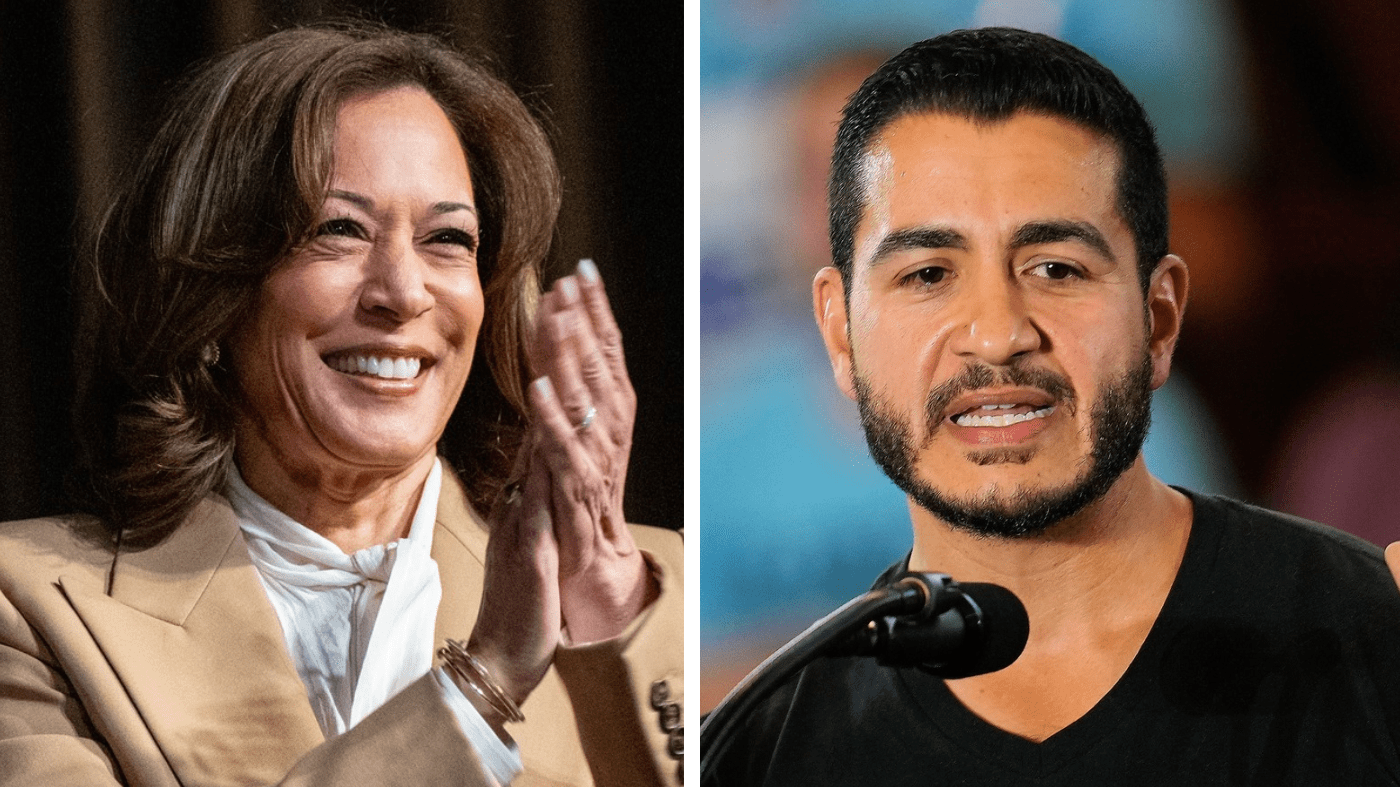
But many Democrats see the secrecy as damaging. Democratic strategist Christy Setzer called it baffling: "It raises more questions than it answers to conduct an autopsy and then not release it. Why make the diagnosis if you're not going to tell the patient what they have?" She pointed to unresolved issues like whether Kamala Harris outperformed expectations despite a short campaign or underperformed for specific reasons.
Jamal Simmons, another Democratic strategist, was blunter: "Get all of the dirt out of the wound now so we can all heal. Ignoring it is never the best way to solve a problem." He argued that trust and perception matter more than facts in politics, and that Martin, as a new chair uninvolved in the 2024 debacle, should tell the story to rebuild confidence.
The standoff comes at a fragile moment for Democrats. While the party has seen recent wins in gubernatorial races and redistricting battles, and the Senate map looks increasingly competitive for 2026, the party remains without a clear leader or unified message as 2028 contenders begin to emerge. The lack of an official autopsy has become a flashpoint, with some DNC members and elected officials pressing Martin to release the full review.
On "Pod Save America," Favreau pressed Martin on why he wouldn't publicize the report if it contained no "smoking gun." Martin replied, "Because we want to keep the focus on the lessons." That answer has satisfied some Democrats, who argue the election was a change election where Harris represented continuity, and that demographic biases played a role. "A certain segment of the electorate was never going to vote for a biracial woman in an interracial marriage," said strategist Anthony Coley. "Releasing it now is an unnecessary distraction."
Others counter that withholding the document erodes trust at a time when Democratic voters are already weary. "Preventing people from being exposed to hard truths is not going to stop those things from being true," said strategist Joel Payne. "This episode is undercutting trust with the rank and file and the public at large."
The controversy has also revived questions about the 2024 campaign's messaging, ground game, and policy decisions, including the party's divide over the war in Gaza. Setzer wondered, "Did Gaza make our voters stay home? Why were younger men so drawn to Trump?" She argued that while the autopsy may seem like an inside-the-Beltway issue, it is "critically important for candidates, campaign managers, and the consultant class" to have a road map for 2028.
Democratic strategist Eddie Vale summed up the frustration: "The fact that people are still talking about it is a really good example of why it would have been better to just release it."
As the debate rages, Martin's decision leaves the party without a clear diagnosis of its 2024 failures, even as it prepares for the midterms and beyond. For now, the autopsy remains a closed book, and the internal wounds show no signs of healing.