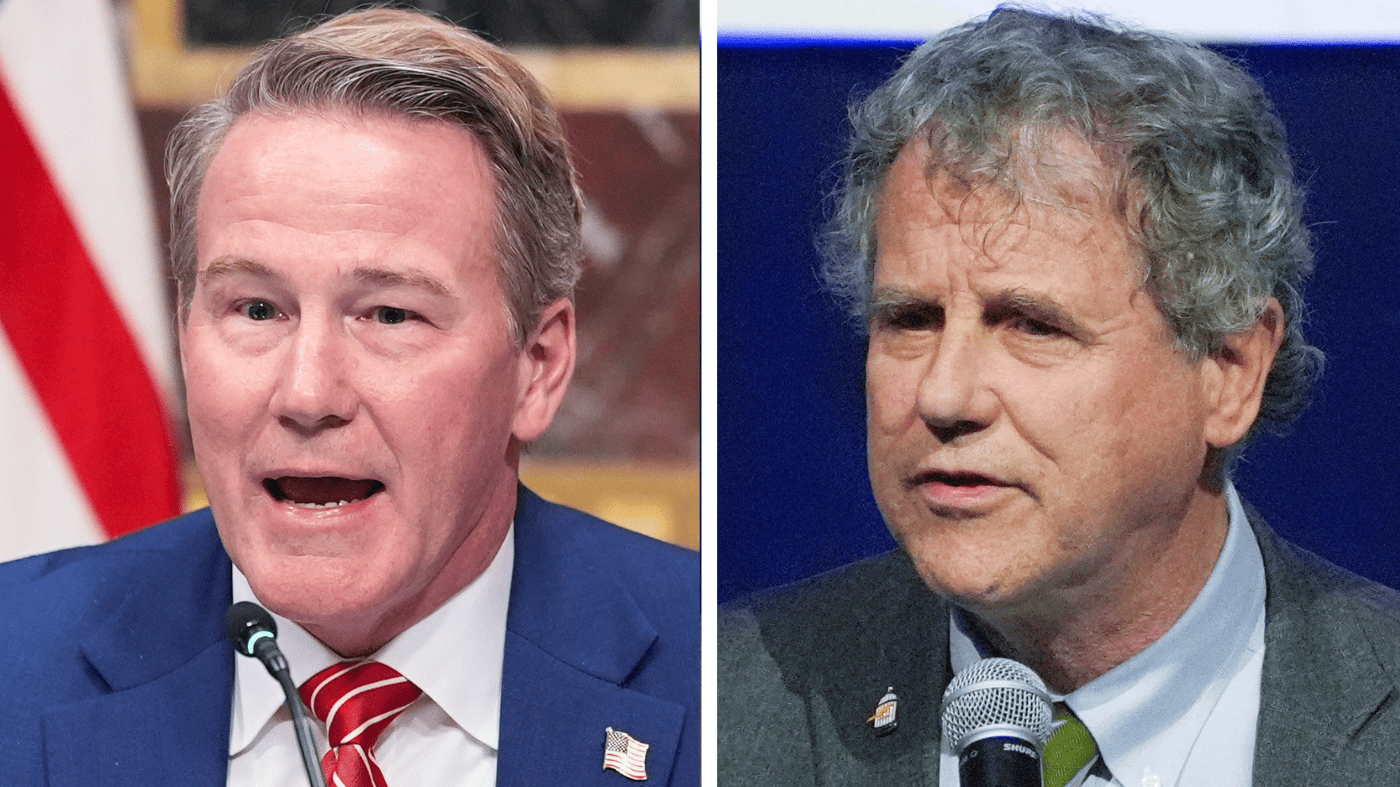
Ohio's Senate race is set for a high-stakes November clash, with Republican Sen. Jon Husted and Democrat Sherrod Brown both projected to win their party primaries on Tuesday, according to Decision Desk HQ. Husted ran unopposed in the GOP contest, while Brown easily defeated a little-known Democratic challenger, setting the stage for a rematch of sorts in a state that has tilted right in recent presidential elections.
The special election is for the seat Husted assumed after Vice President Vance left the Senate to join the Trump administration. Husted, previously Ohio's lieutenant governor, was appointed by Gov. Mike DeWine last year to fill the vacancy. The winner of this fall's race will serve the remainder of Vance's term and must run again in 2028 for a full six-year term.
Political analysts rank this contest as one of the few true toss-ups in the battle for Senate control. Brown, who served three terms before losing to now-Sen. Bernie Moreno in 2024 by roughly five points, is mounting a comeback bid that Democrats see as a key pickup opportunity. In the first quarter of this year, Brown raised $12.5 million, far outpacing Husted's $2.9 million haul.
The national GOP is taking no chances. The Senate Leadership Fund, a super PAC aligned with Senate Majority Leader John Thune, has committed a record $79 million to Ohio, signaling deep concern about the race's competitiveness. Polling from Decision Desk HQ shows the race effectively tied as of April, a sharp narrowing from earlier margins.
Brown's campaign leans heavily on his working-class appeal and record on trade and manufacturing, while Husted is running as a Trump-backed conservative focused on economic growth and border security. Both candidates are expected to pour significant resources into advertising and ground operations across the state.
Ohio has become a bellwether for national political trends. President Trump carried the state by more than 10 points in 2024, yet Brown's previous Senate wins demonstrated an ability to outperform the Democratic ticket. This year's race will test whether that crossover appeal still holds amid a polarized electorate.
The outcome could determine which party controls the Senate, making it a focal point for donors and strategists nationwide. For context on other competitive races, see our coverage of the Ohio Senate primary and the GOP primary dynamics. Meanwhile, national party committees are already bracing for a costly fall campaign.
Both candidates will now pivot to the general election, with debates expected to begin this summer. The race is likely to attract intense national attention, with outside groups on both sides preparing to spend heavily. For a broader look at the midterm landscape, check our live primary results coverage.