The war in Iran has settled into a strange holding pattern, with no clear direction on when or how it will end. Nearly every aspect of the conflict remains fluid, as key players oscillate between conflicting impulses.
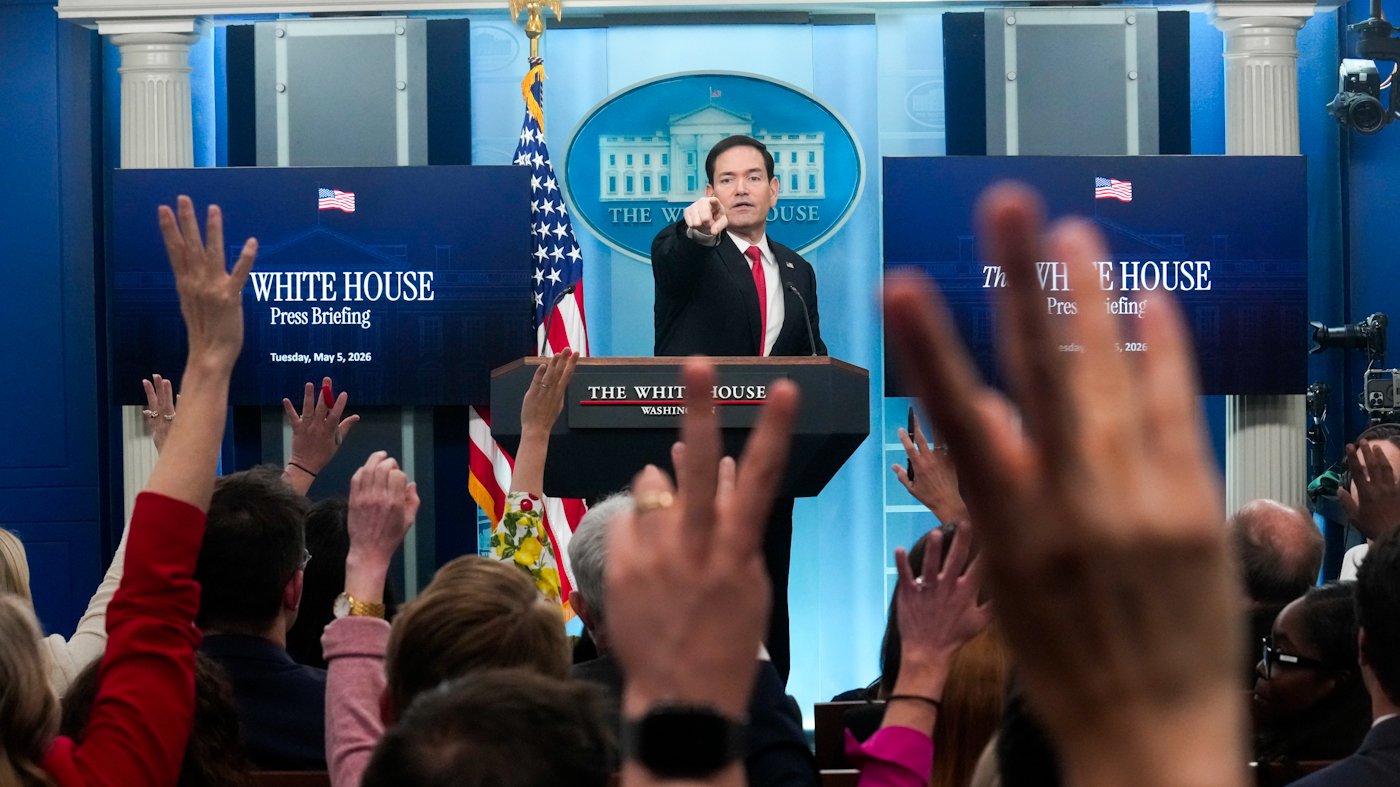
President Trump continues to demand Iran's surrender in public, but also hints at openness to negotiations. The administration recently launched a temporary operation to guide ships through the Strait of Hormuz, which Defense Secretary Pete Hegseth described as a short-term measure. Secretary of State Marco Rubio, in a rare White House briefing, struck a more cooperative tone toward the international community and the United Nations.
Rubio notably declared that Operation Epic Fury, the main U.S. military campaign in Iran, "is over." The statement caused little stir because its practical meaning remains unclear, though it suggests the administration is seeking to wind down the conflict. Recent Iranian attacks could have justified a renewed U.S. offensive, but the White House chose not to escalate. According to Gen. Dan Caine, chairman of the Joint Chiefs of Staff, Iran has launched over 10 attacks since the ceasefire, but none crossed the threshold to restart full hostilities.
On the domestic front, U.S. stock markets rose Tuesday, but gas prices also climbed to a national average of $4.48 per gallon, up from under $3 before the war. For Republicans, the prolonged conflict is a political liability ahead of November's midterms. GOP strategist Doug Heye told this column that early promises of a quick victory have proven false, leaving the party on "a long exit ramp" that "is making Republicans sweat."
The administration's struggle to end the war contrasts sharply with Trump's earlier success in Venezuela, where a raid captured President Nicolas Maduro and led to a smooth transition. Iran has been far more intractable. Trump's initial prediction that the war would last "four to five weeks" has been wrong; the conflict began on Feb. 28 and has now exceeded nine weeks. Hopes for a collapse of the Islamic Republic have faded.
Trump often insists on preventing Iran from obtaining a nuclear weapon, but translating that goal into a verifiable peace deal remains elusive. Iranian leaders repeatedly deny seeking a bomb, but Rubio countered that their actions suggest otherwise: "They are doing all the things that you do if you want a nuclear weapons program."
Iran maintains a defiant posture, though it faces severe economic strain from a U.S.-enforced blockade of oil shipments. Trump called the blockade "genius" and claimed Iran's economy is "dead." Yet Iranian officials argue that time is on their side. Parliament Speaker Mohammad Bagher Ghalibaf posted that the status quo is "intolerable for America" while Iran has "not even begun yet."
Allison McManus, managing director for national security at the Center for American Progress, noted that both sides have incentives to end the war, but the key question is "who has more leverage and who will blink first." She added that Trump's need to declare victory complicates any deal: "What's going to be hard is that Trump wants to claim he won."
As the limbo continues, the path forward remains uncertain. For a deeper look at the administration's strategic dead end, see our analysis: Trump's Iran Strategy: No Exit in Sight as Costs Mount. And for more on how this conflict is reshaping regional politics, read Rubio Dismisses Iran's Strait of Hormuz Proposal Without Nuclear Concessions.