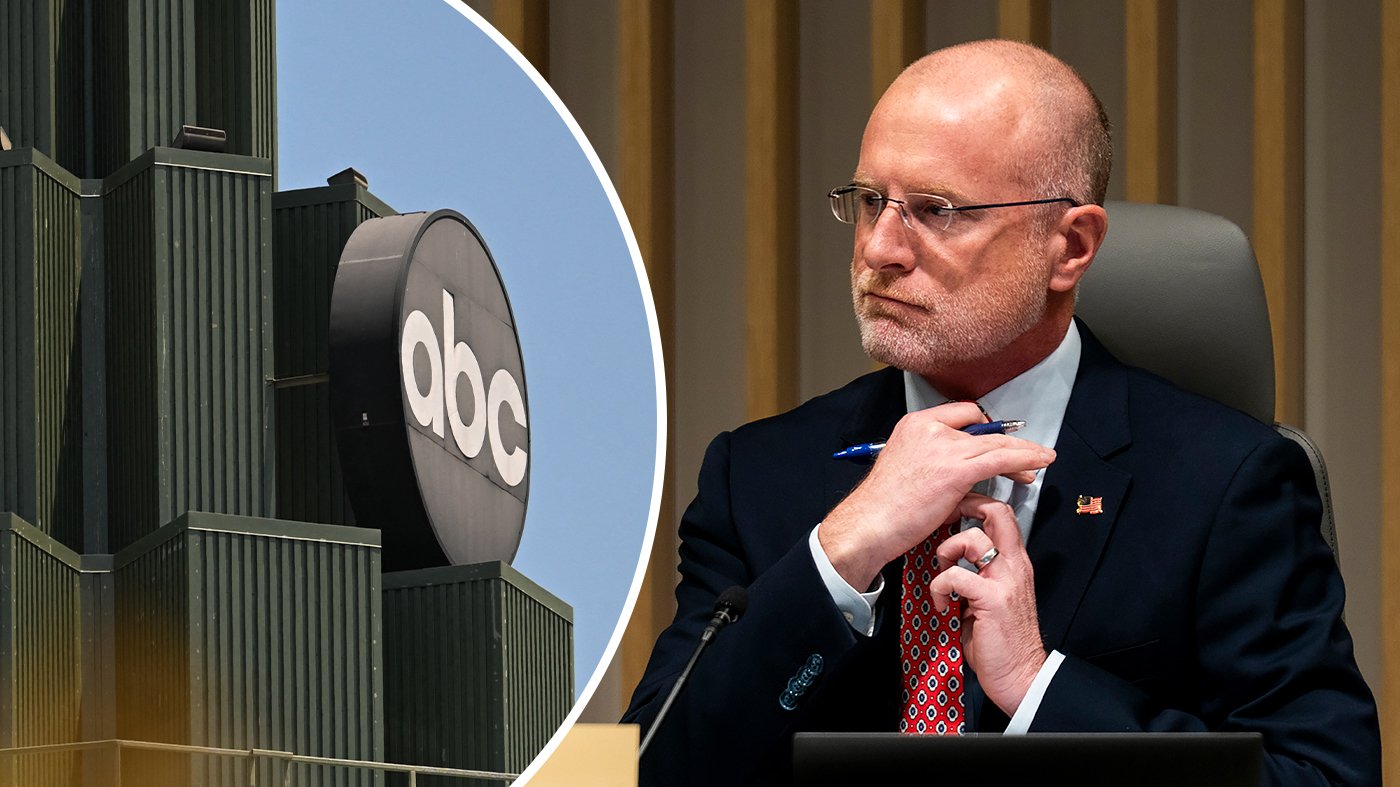
The Federal Communications Commission has taken an unusual step by ordering eight ABC-owned television stations to submit their broadcast license renewal applications ahead of schedule, raising questions about whether the network is meeting its public interest obligations. The move, which targets stations owned by Disney, has drawn sharp criticism from media executives and progressive politicians who see it as a political attack on free speech.
Under the Communications Act of 1934, broadcasters must serve the public interest, convenience, and necessity, a standard that has historically been vague and loosely enforced. FCC Chairman Brendan Carr argues the early review is based on Disney's potentially illegal diversity, equity, and inclusion practices, not on-air content. However, the timing has raised eyebrows, coming after a controversial joke by ABC late-night host Jimmy Kimmel about first lady Melania Trump being an "expectant widow" and other incidents, including a libel settlement involving anchor George Stephanopoulos.

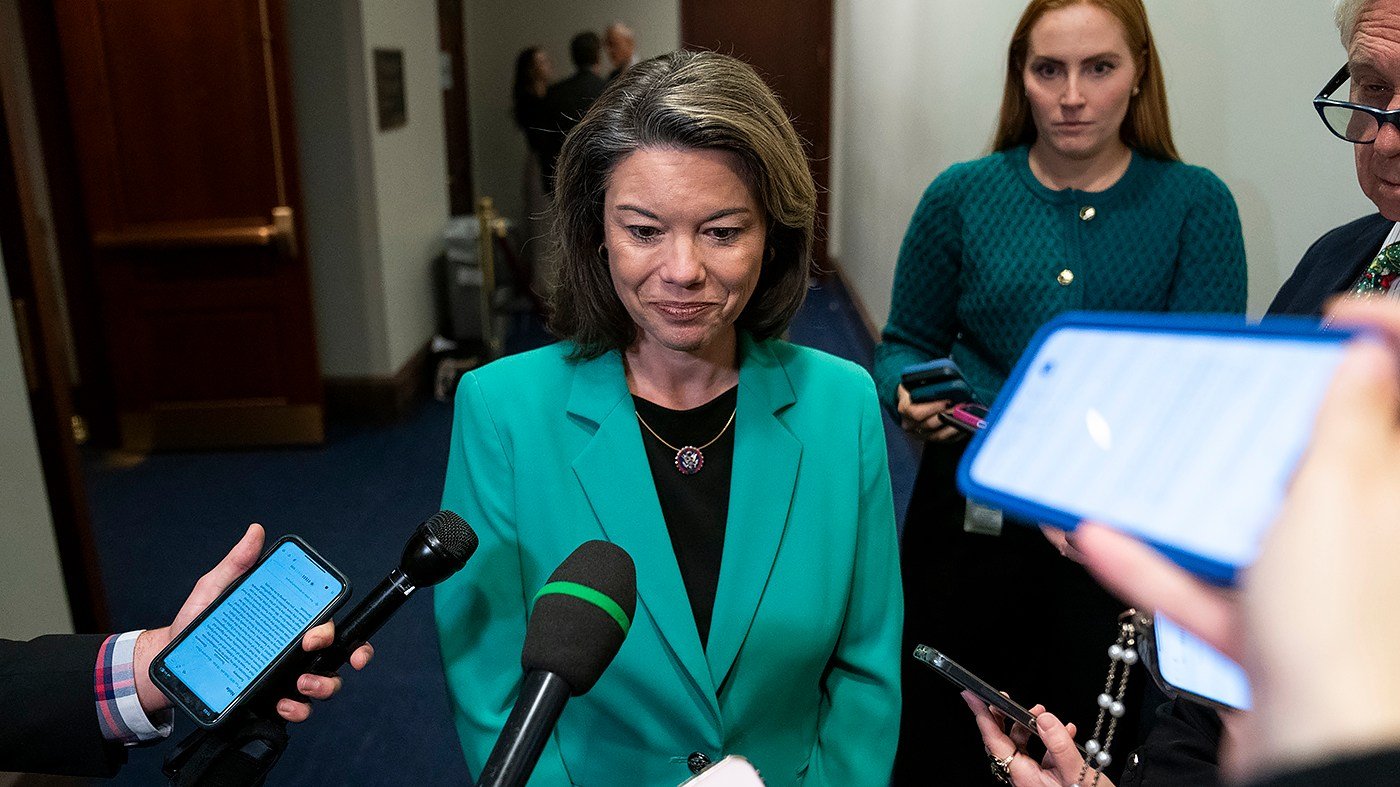
The FCC's action is a sharp departure from its usual "raised eyebrow" approach to regulation. Critics, including Free Press and the National Association of Broadcasters, have called it "unconstitutional" and warned it creates uncertainty for all broadcasters. Even Senator Ted Cruz (R-Texas) cautioned against the FCC acting as the "speech police".
This is not the first time the FCC has flexed its regulatory muscle. In 1961, Chairman Newton Minow famously called television a "vast wasteland" and threatened to revoke licenses nationwide unless broadcasters delivered a decent return to the public. Compared to Minow, Carr's approach is more cautious, but the underlying message is similar: broadcasters must take their public interest duties seriously.
Legal experts, however, doubt the FCC could ultimately force ABC off the air. Any attempt to revoke a license would likely face immediate lawsuits on First Amendment grounds, and the Supreme Court under Chief Justice John Roberts has been a staunch defender of free speech. As one media critic noted, Carr is "too smart to think his commission could do anything more than jawbone and pester ABC" for its comedic shows, journalistic content, or DEI practices.
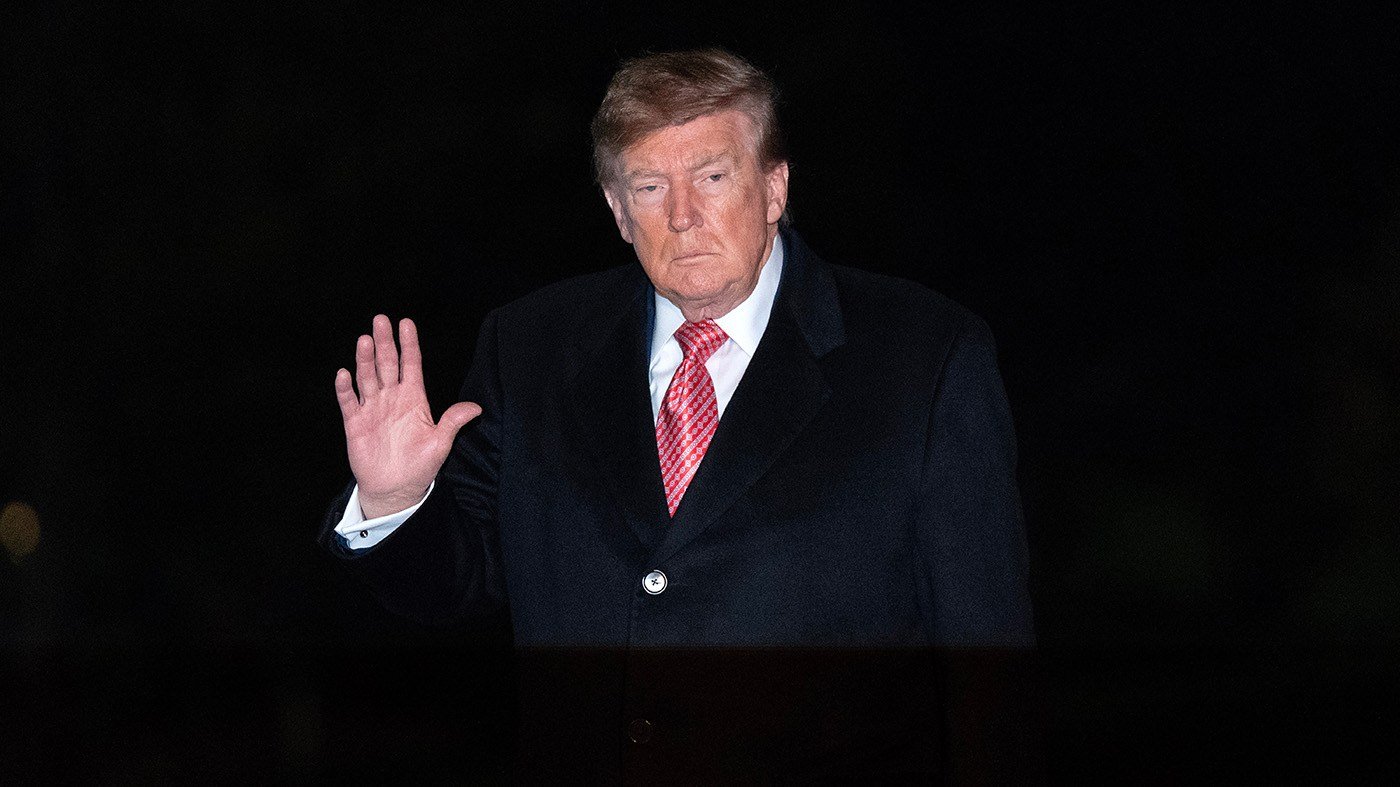
The controversy also highlights broader tensions between the Trump administration and mainstream media. The White House has been irked by ABC's programming, including The View, which often features anti-Trump commentary, and the network's handling of Trump-related legal coverage. Meanwhile, the FCC's scrutiny comes amid other political battles, such as Trump's EEOC suing the New York Times over a bias claim, and Trump's meeting with Brazil's Lula amid tariff tensions.
Ultimately, the FCC's move may be more symbolic than substantive. As one observer put it, "Maybe network executives really should consider that jokes about a president dying do little to serve the public interest." But in the current political climate, the battle over broadcast licenses is as much about signaling as it is about regulation.