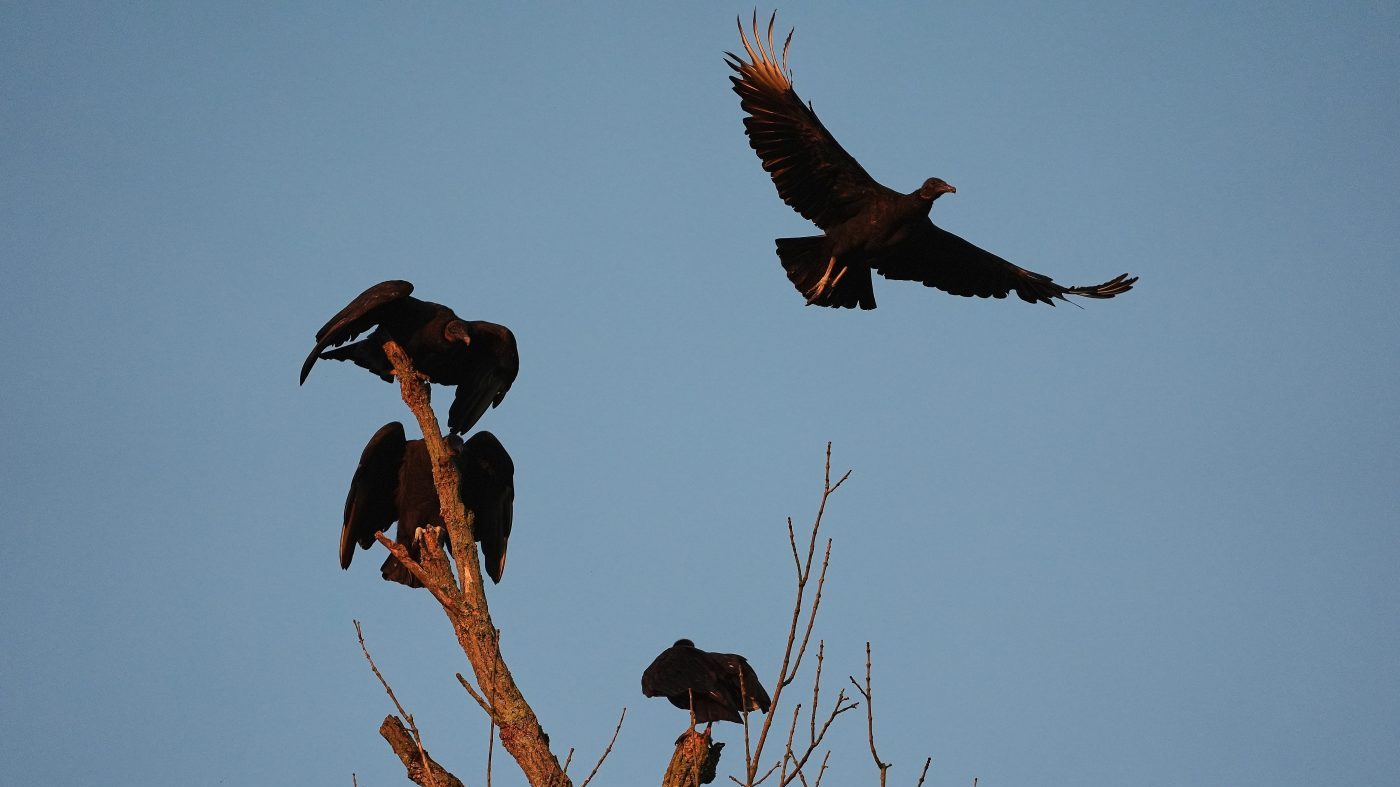
GATLINBURG, Tenn. — An investigation is underway after rangers at Great Smoky Mountains National Park discovered 33 dead black vultures dumped along a scenic roadway last month.
Park officials reported that on April 6, rangers found the carcasses of the federally protected birds alongside a section of the Foothills Parkway. The discovery has prompted a probe by the National Park Service and the U.S. Fish and Wildlife Service.

Black vultures (Coragyps atratus) are shielded under the Migratory Bird Treaty Act, a federal law that makes it illegal to harm, kill, or possess them without a permit from the U.S. Fish and Wildlife Service. Violations can result in fines or criminal penalties. Additionally, dumping any material in a national park is a violation of federal regulations.
“This is a serious matter,” a park spokesperson said. “We are working with federal partners to determine who is responsible and why these birds were left here.”
The incident comes amid broader debates over enforcement of environmental laws and federal protections for wildlife. Critics have pointed to congressional inaction on various oversight matters as contributing to a lack of accountability in natural resource management.
Black vultures are common in the southeastern United States and play a key role in the ecosystem as scavengers. However, they can sometimes come into conflict with livestock operations, leading some landowners to seek permits for lethal control. It remains unclear whether the dead birds were killed legally or illegally, or if they were dumped as part of a cover-up.
The National Park Service has not released details on possible suspects or motives. The investigation is ongoing, and authorities are urging anyone with information to come forward.
This case also highlights broader challenges in protecting natural resources amid fiscal pressures. As soaring national debt threatens fiscal sanity, some states have offered blueprints for restraint, but funding for park enforcement remains a concern.
For now, the dead vultures serve as a grim reminder of the legal and ecological stakes involved in managing America’s public lands.