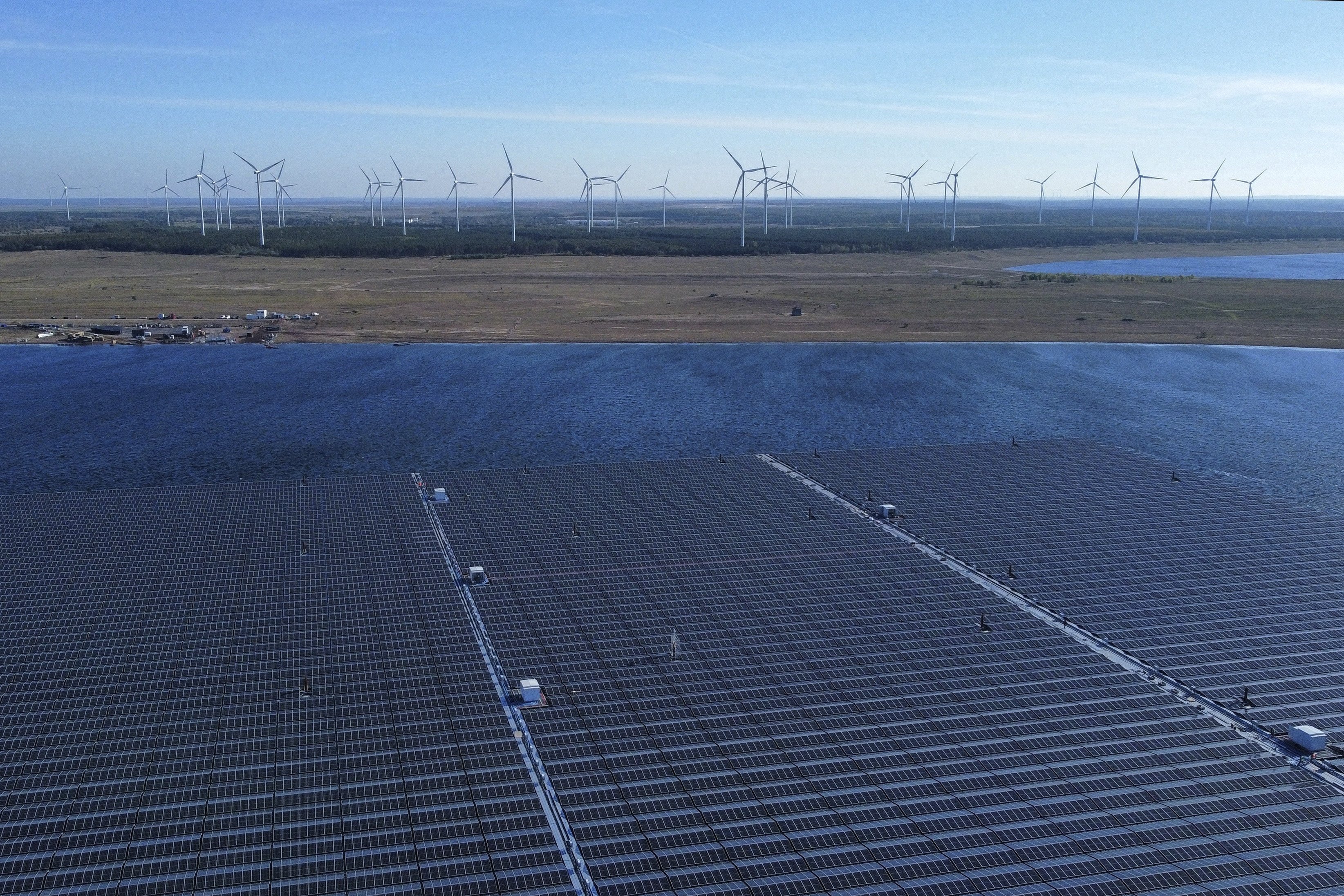
After years of aggressive efforts by environmental activists to cripple America's oil, gas, and coal sectors—pushing expensive wind and solar projects that consume vast land—the United States is reasserting itself as a dominant force in global energy. This resurgence, however, is not solely reliant on fossil fuels; nuclear power is now taking a leading role.
Nuclear Innovation Centers in Tennessee
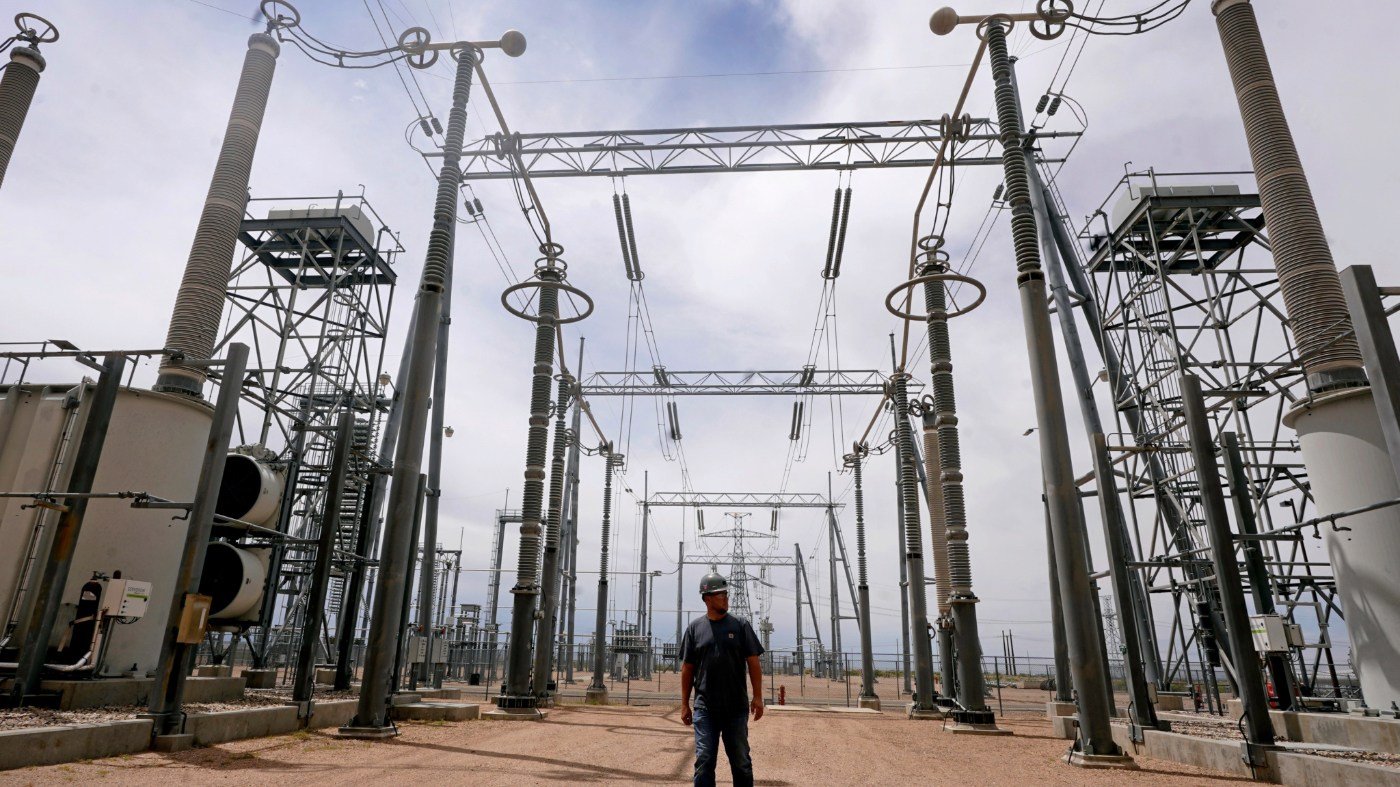
Tennessee is on track to become the world's premier hub for nuclear innovation, driven by Trump administration policies and state leaders prioritizing practical energy solutions over climate symbolism. Investments, both public and private, are pouring into advanced reactors, uranium enrichment, and next-generation nuclear technologies. The Kairos Power Hermes 2 salt-cooled reactor demonstration plant has already broken ground, aiming to deliver 50 megawatts of reliable electricity to the Tennessee Valley Authority grid by 2030.

GE Vernova Hitachi has announced plans to invest $40 billion in two small modular reactors—one in Tennessee and another in Alabama. These projects are expected to generate 2,000 construction jobs, hundreds of manufacturing positions, 600 permanent plant jobs, and approximately 65 additional local jobs per 100 reactor positions.
Uranium Industry Recovery
America's uranium industry, nearly decimated during the COVID-19 pandemic, is experiencing a robust comeback. The Trump administration has approved new permits for uranium mining and enrichment, while a partnership between the Tennessee Valley Authority and Centrus Energy plans to invest $560 million in a major enrichment facility at Oak Ridge. This move reduces reliance on Canada, Kazakhstan, and Russia for critical nuclear fuel.
In a groundbreaking development, Commonwealth Fusion Systems is advancing toward constructing a commercially relevant nuclear fusion power plant in Virginia, capable of generating up to 400 megawatts later this decade. The plant is designed to produce more tritium fuel than it consumes.
Energy Independence and Economic Impact
Combined with a resurgence in oil, natural gas, and coal production, these initiatives are set to boost American energy, manufacturing, innovation, and job creation while lowering electricity prices and reducing blackout risks. They also serve as a warning to blue states: clinging to anti-energy ideology risks being left behind. Democrat-controlled states remain fixated on eliminating fossil fuels in favor of wind, solar, and battery systems, ignoring the economic harm to working families and environmental damage from massive renewable projects. The climate benefits from individual state emissions cuts are negligible against global trends.
Internationally, India and China have dramatically reduced blackouts by building coal-fired power plants. As energy analyst Vijay Jayaraj notes, Africans across the continent are rejecting imposed poverty by embracing oil, natural gas, coal, and nuclear power, recognizing affordable energy as the only proven path to prosperity.
European and Domestic Reckoning
Many Europeans are waking up to the consequences of green energy policies: soaring electricity prices, shuttered industries, lost jobs, and landscapes marred by turbines and panels. In the US, electricity prices in Northeastern states are roughly double those in the Midwest and South, and rising. Even Democratic governors are quietly delaying green mandates. Some are reconsidering nuclear power and may join President Trump and Energy Secretary Chris Wright in supporting new pipelines from Pennsylvania's shale fields for affordable natural gas.
Without such shifts, states like New York face nightmares like the Co-Op City complex in the Bronx, where climate mandates could spike monthly fees from $950 to nearly $4,000 for a one-bedroom unit. Reliance on wind and solar leaves residents vulnerable to Mother Nature's whims.