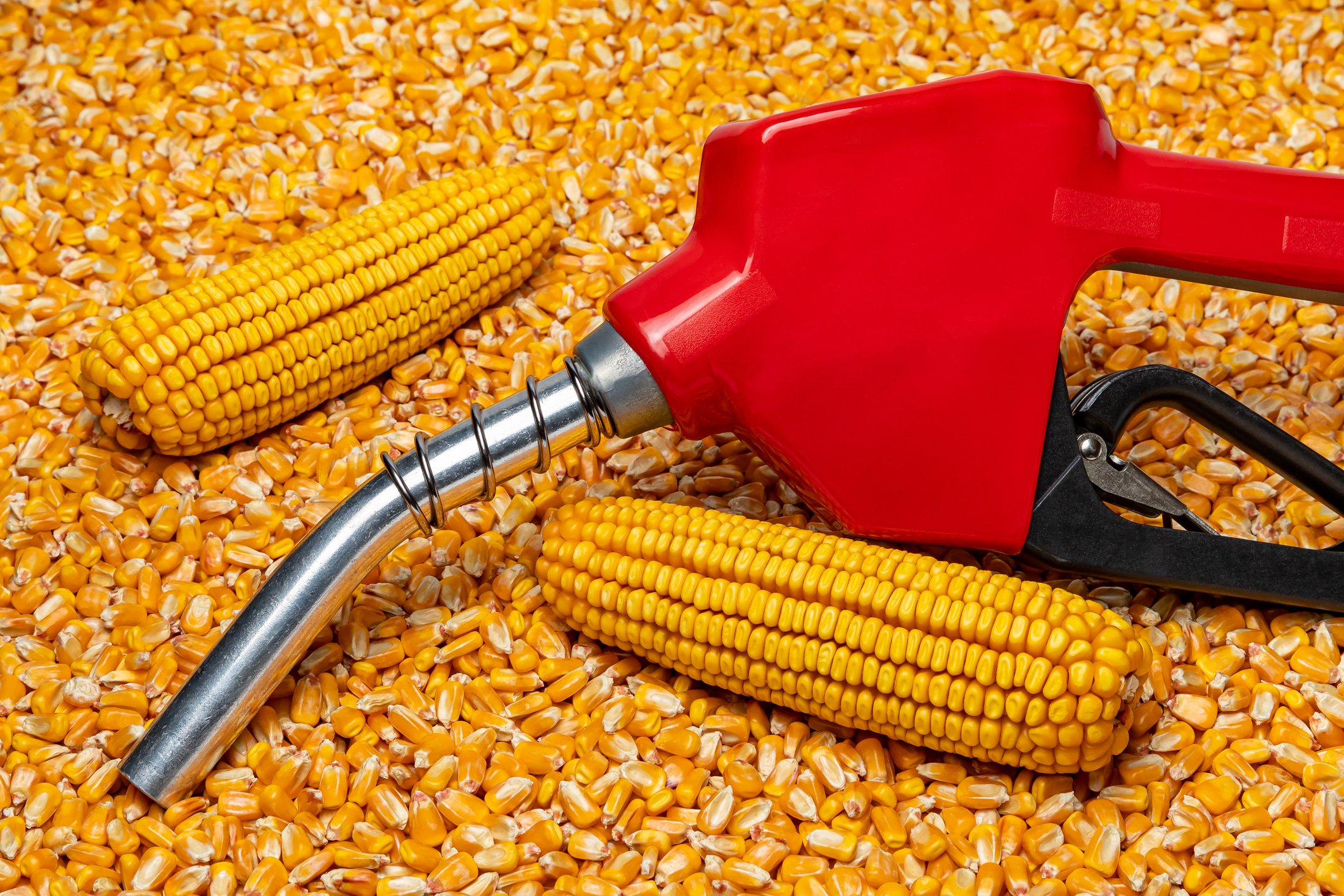
As Congress considers legislation to permit year-round sales of E15 gasoline—a blend containing 15% corn ethanol instead of the standard 10%—supporters pitch it as a victory for consumers, farmers, and energy security. But a growing body of evidence suggests otherwise.
The proposed policy, according to critics, would entrench an environmentally harmful and economically inefficient system, raising expenses for American households already squeezed by inflation. Far from a step toward energy independence, the measure appears to be a veiled effort to expand the domestic corn market at taxpayer expense, following the cancellation of over 1 million tons of U.S. food aid—mostly corn—to malnourished children abroad and the severe blow to corn exports from the administration's tariff policies, particularly with China.
Farmers undoubtedly need support amid these trade disruptions, but this bill is not the remedy. If enacted, especially alongside executive actions boosting ethanol mandates, ethanol use could surge by roughly 50%. That would require diverting corn from food and feed production on millions of acres—an area larger than half of Indiana—into fuel production.
The environmental stakes are substantial. When Congress expanded the Renewable Fuel Standard in 2007, biofuels were seen as a climate-friendly alternative. Yet nearly two decades later, research indicates corn ethanol may produce lifecycle emissions comparable to or exceeding gasoline. The EPA's own Science Advisory Board concluded in 2023 that recent emissions estimates for corn ethanol surpass those of gasoline.
Ethanol production relies heavily on fossil fuels for fertilizer, processing, and transport. More critically, diverting cropland from food to fuel triggers land-use changes elsewhere, as forests and grasslands are converted to replace lost food production. That conversion releases vast carbon stores, often outweighing any tailpipe reductions. Agricultural expansion already drives global deforestation, habitat loss, and biodiversity decline; expanding ethanol would worsen water stress and fertilizer runoff, fueling toxic algae blooms and dead zones like those in the Gulf of Mexico.
Proponents claim E15 saves consumers money, but EPA analysis suggests even smaller biofuel mandate increases could add tens of billions in fuel and food costs over a few years. Corn diverted to fuel means less for food, animal feed, and exports, driving up grocery bills. Meanwhile, financial benefits are skewed: ethanol demand has boosted farmland values and rents across the Corn Belt, but much of that gain flows to absentee landowners and institutional investors, not working farmers. Most farmland in major ethanol states is rented, often by non-farmers.
Consumers end up paying more at both the pump and the supermarket. And expanded ethanol use does little to address America's long-term energy challenges. The U.S. is already the world's top oil producer. True resilience lies in cleaner, more efficient transportation technologies that cut emissions without inflating food prices or destroying ecosystems.
Congress now faces a clear choice: continue subsidizing a policy at odds with climate science, conservation, and consumer interests, or heed the evidence that expanding crop-based biofuels is a costly detour. As the Trump administration navigates complex negotiations—such as the ongoing Iran ceasefire talks where the president has acknowledged ignoring Americans' financial concerns—domestic policy decisions like this one also carry significant economic weight. Year-round E15 is neither a climate solution, an affordability fix, nor a serious long-term energy strategy. American farmers and consumers deserve a more thoughtful approach to protecting their livelihoods and lowering costs.