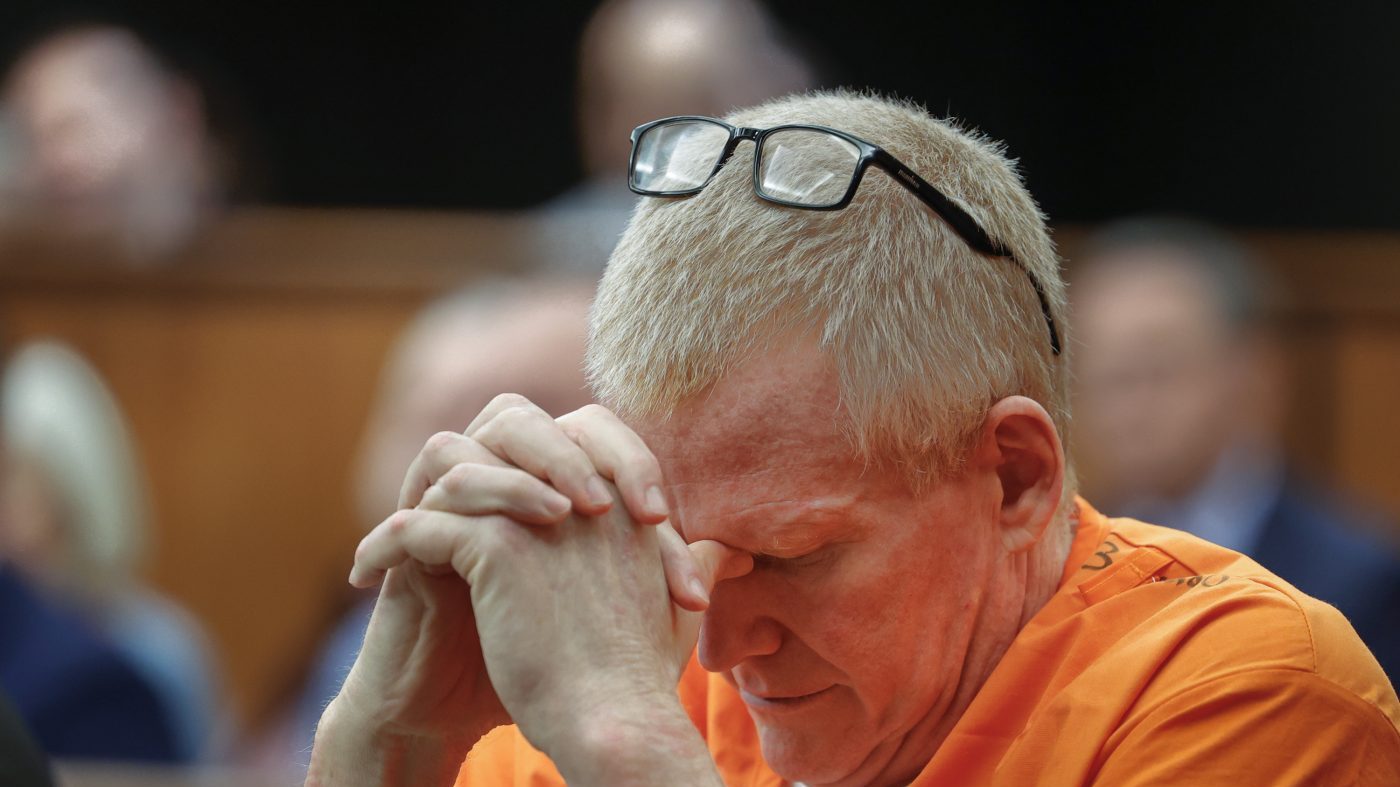
Alex Murdaugh is set for a new trial after South Carolina's Supreme Court ruled that his constitutional right to a fair trial was violated when a former court clerk improperly influenced jurors. The decision adds Murdaugh to a list of high-profile defendants who have had their convictions overturned or cases retried.
The state's highest court found that Becky Hill, then clerk of Colleton County, engaged in misconduct that tainted the proceedings. Prosecutors have vowed to retry the disgraced attorney, asserting that no one is above the law. Attorney Tre Lovell noted that retrials often proceed more efficiently because both sides have already tested their strategies. “The prosecution is going to have to put on its case just like they did before, from the beginning, put on the same witnesses and the evidence, and Murdaugh is going to do the same on his end,” Lovell said. He added that the second trial is likely to be shorter as attorneys refine their witness lists and focus on the evidence that resonated most with jurors the first time.
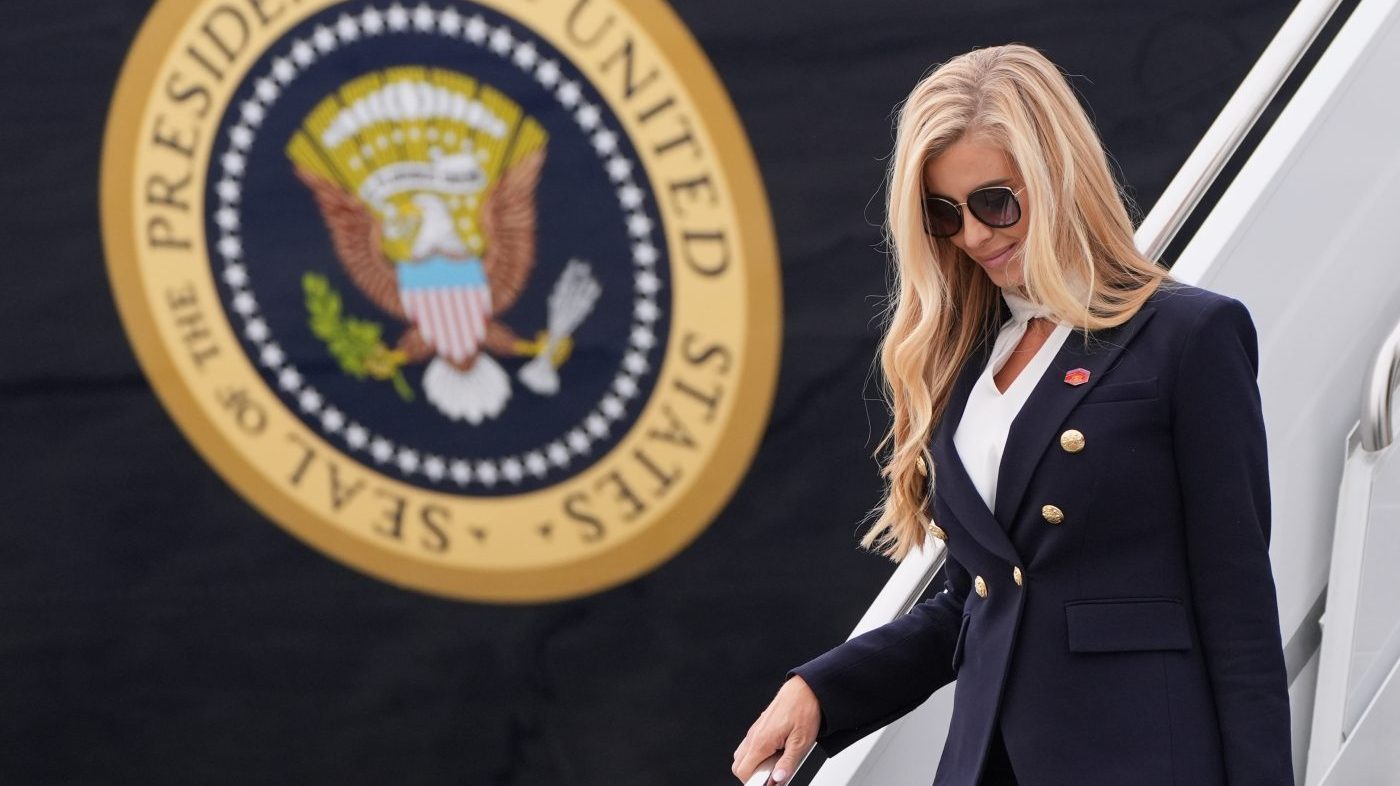
Karen Read
Karen Read, the Massachusetts woman accused of killing her Boston police officer boyfriend John O'Keefe in 2022, received a second trial after the first ended in a mistrial when jurors could not reach a unanimous verdict. Prosecutors alleged Read struck O'Keefe with her SUV after a night of drinking and left him outside during a snowstorm. Read maintained her innocence, with defense attorneys arguing that the officer's injuries were caused elsewhere and later covered up by law enforcement. After the mistrial, defense attorneys said several jurors from the first trial reported they had agreed to acquit Read on some charges but were deadlocked on another count. At her second trial, Read was acquitted of murder, manslaughter, and leaving the scene charges but convicted of operating under the influence. She was sentenced to probation.
Harvey Weinstein
Film producer Harvey Weinstein was convicted in New York in 2020 on felony sex crime charges. In 2024, a New York appeals court overturned that conviction, ruling that the trial judge improperly allowed testimony from women whose allegations were not directly tied to the criminal charges. Manhattan prosecutors later retried Weinstein. Jurors heard testimony from multiple accusers over nearly three weeks. Weinstein did not testify, and the jury has not yet issued a verdict.
The Menendez Brothers
Lyle and Erik Menendez were first tried in 1993 for the murders of their parents, José and Kitty Menendez. The brothers were tried separately before two juries, but both deadlocked, resulting in mistrials. They were retried together in 1995. During the second trial, the judge limited some evidence regarding alleged sexual abuse by their father. The brothers were ultimately convicted of first-degree murder and sentenced to life in prison without the possibility of parole.
Rod Blagojevich
Former Illinois Governor Rod Blagojevich (D) was arrested in 2008 and later charged in a sweeping federal corruption case tied to allegations he tried to sell Barack Obama's vacant U.S. Senate seat. At his first trial in 2010, jurors convicted Blagojevich on one count of lying to the FBI but deadlocked on the remaining charges. Federal prosecutors quickly announced they would retry him. At his second trial in 2011, prosecutors presented a narrower case centered on FBI wiretap recordings. Jurors convicted Blagojevich on 17 counts, including corruption-related charges, and he was sentenced to 14 years in prison. A federal appeals court later overturned several convictions but upheld the core corruption findings. In 2020, President Trump commuted Blagojevich's sentence after he served about eight years in prison.
These cases illustrate that the American justice system, while imperfect, provides mechanisms for correcting errors—whether through judicial oversight, prosecutorial discretion, or executive clemency. As Murdaugh prepares for his retrial, legal observers will watch closely to see how the lessons from his first trial shape the outcome of the second.