This month has seen a wave of food recalls and health alerts across the United States, driven by concerns over salmonella contamination. The affected items range from frozen pizzas and pork rinds to seasonings and even pet food, raising alarms among consumers and regulators alike.
Common Ingredient Linked to Outbreak
Investigators have pinpointed a single potentially contaminated ingredient as the source of many of these recalls, though officials have not yet publicly named the specific supplier. The salmonella scare has prompted recalls of snack mixes sold at major retailers, including Target, expanding the scope of the public health response.

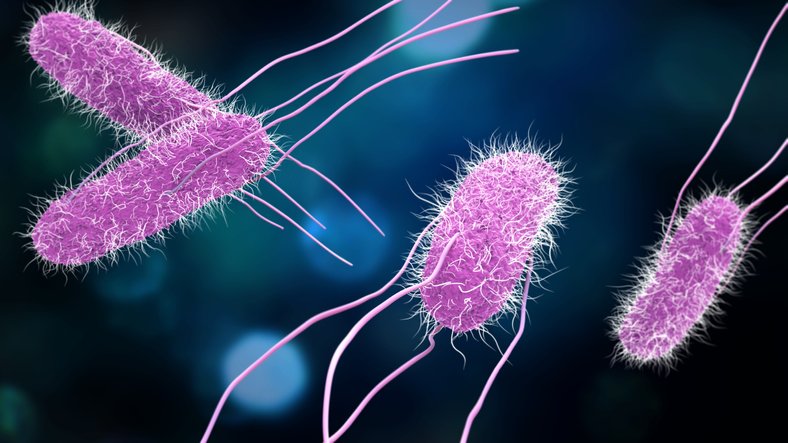
The Centers for Disease Control and Prevention (CDC) warns that salmonella bacteria cause salmonellosis, an infection that can lead to diarrhea, fever, and stomach cramps. Symptoms typically appear between six hours and six days after exposure, and while most healthy adults recover within a week without treatment, young children, the elderly, and immunocompromised individuals face more severe risks.
How Infection Occurs
Salmonella can enter the body through contaminated food or water, or by contact with infected animals or their environments. A recent outbreak linked to backyard poultry underscores the diverse pathways of transmission. The current recalls, however, focus primarily on food products, with the FDA and USDA coordinating removal from store shelves.
In a related development, Walmart pulled Blackstone seasoning from its stores after tests revealed salmonella contamination in powdered milk used as an ingredient. This action highlights the supply chain vulnerabilities that can lead to widespread recalls.
Industry and Regulatory Response
Food manufacturers are cooperating with federal agencies to identify affected batches and notify consumers. The recalls include both national brands and private-label products, with some items distributed to multiple states. Experts advise consumers to check their pantries for recalled lot numbers and return or dispose of any affected products.
The situation echoes broader concerns about food safety oversight. As a chocolate recall expanded after salmonella was found in a date ingredient, the pattern of contamination from raw materials continues to challenge the industry.
What Consumers Should Do
The CDC recommends that anyone experiencing symptoms of salmonellosis—particularly after consuming recalled products—seek medical attention, especially if they are in a high-risk group. Proper handwashing and food handling can reduce the risk of secondary transmission.
For now, the list of affected items continues to grow, and regulators urge vigilance. The recalls serve as a reminder of the complex supply chains that bring food to American tables, and the persistent threat of bacterial contamination.