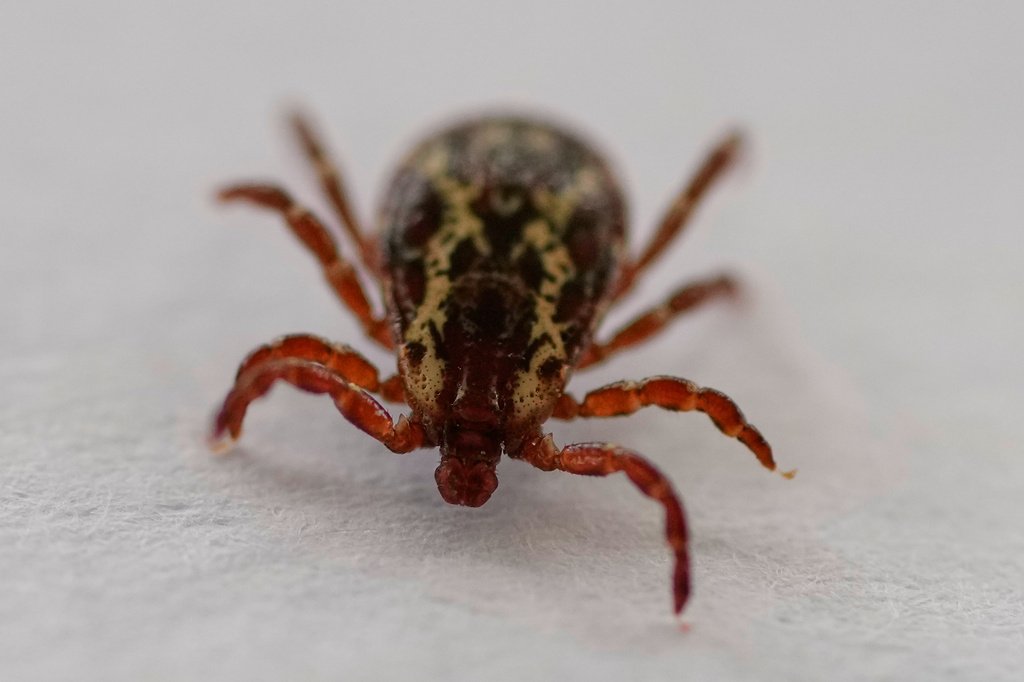
As spring temperatures rise, public health officials are sounding alarms about a potentially severe tick season. According to the Centers for Disease Control and Prevention, emergency room visits for tick bites in April reached the highest weekly rates since 2017, across nearly every region of the country except the south-central United States.
“Unfortunately, it seems that we are in for a very bad year,” said Nicole Baumgarth, a professor of immunology and infectious disease at the Johns Hopkins Bloomberg School of Public Health and director of the university’s Lyme and Tickborne Diseases Research and Education Institute. She described the ER numbers as “the tip of an iceberg” of tick-borne illnesses likely to emerge this year.

Ticks, the small blood-feeding arachnids, pose a health threat not merely from their bites but from the diseases they carry. Lyme disease, Rocky Mountain spotted fever, and alpha-gal syndrome—which can trigger a red meat allergy—are among the most concerning. The rising tick population is linked to several factors, including climate change, which creates warmer and more humid conditions favorable to ticks, allowing them to survive farther north than in previous decades.
Another driver is the booming white-footed mouse population, Baumgarth noted. These rodents are a primary host for the black-legged tick that transmits Lyme disease. More mice mean more ticks, and more opportunities for human exposure.
A Lyme disease vaccine is in development and shows promise, but it is not yet available. Even when it reaches the market, it will require three initial shots plus an annual booster—a regimen that public health experts worry may limit uptake. “It’s unlikely that the broad communities—all but the most enthusiastic outdoors people—are going to pick up this vaccine,” Baumgarth said. She expressed frustration that despite years of effort, “we cannot and have not been able to bend the curve” of rising tick-borne disease rates.
The CDC recommends several precautions to reduce risk: avoid grassy, bushy, or wooded areas where ticks thrive; treat clothing with 0.5% permethrin; use insect repellents; and check clothing, pets, and your body for ticks after being outdoors. Drying clothes on high heat for 10 minutes can kill any ticks that hitched a ride. Showering within two hours of coming indoors also helps prevent Lyme infection. A full body check should include under the arms, around the ears, the hairline, belly button, and behind the knees.
The broader public health challenge mirrors other emerging disease threats. For instance, hantavirus, another rodent-borne illness, remains a concern in certain regions, highlighting the need for vigilance against vector-borne diseases. Meanwhile, the political landscape continues to shift, with recent DHS funding battles drawing attention away from public health priorities. But experts warn that the growing tick threat requires sustained attention and resources.
“We see an increasing number of tick infections, tick-borne illnesses every year… and it’s unlikely this trend is going to change,” Baumgarth said. Without a readily adopted vaccine and with environmental conditions favoring tick proliferation, Americans face a challenging summer ahead.