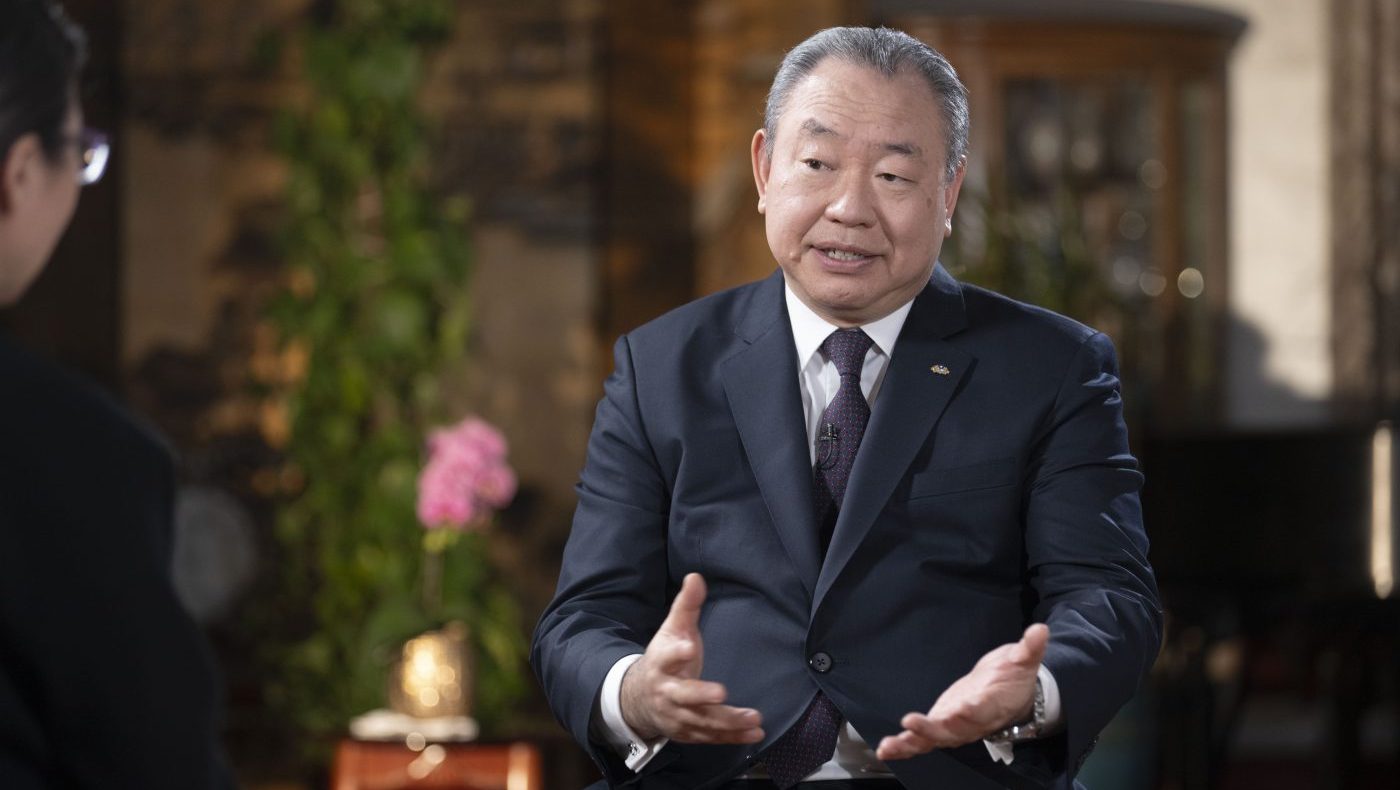
Taiwan’s top diplomat in Washington, Alexander Yui, expressed confidence Sunday that the Trump administration will follow through on future weapons transfers, even as President Trump puts a $14 billion arms deal on ice to negotiate with China. Yui’s remarks on CBS’s Face the Nation came after Trump told Fox News the delay is a “very good negotiating chip” to win Beijing’s help on ending the Iran conflict and reopening the Strait of Hormuz.
Beijing has never recognized Taipei’s sovereignty, and Taiwan has long argued it needs American weapons to maintain its de facto independence. “President Trump has also been very clear in saying that he did not agree on anything that the Chinese side… So, again, the United States government has been consistent throughout all administrations since 1979 in providing arms to Taiwan, according to a Taiwan Relations Act, which is selling ours commensurate to the threat that Taiwan receives,” Yui said.
Yui pointed to Trump’s first-term record of “considerable” sales, including F-16 Block 70 fighters, and noted that his second administration already completed two significant arms packages. “We believe again that having arms sales continue to Taiwan is in the interest of the United States and Taiwan, to keep peaceful and stable Taiwan Straits,” he added.
The U.S.-Taiwan relationship is also governed by the Six Assurances—nonbinding policy pledges from the Reagan era. The second assurance stipulates Washington will not consult China on arms sales to Taipei. Yui insisted Trump’s talks with Chinese President Xi Jinping did not violate that pledge. However, House Democrats argue the delay undermines “the maintenance of effective cross-Strait deterrence” and risks allowing Beijing to “unduly influence” U.S. Taiwan policy.
Yui warned that the pause could inadvertently escalate tensions. “If we want to prevent a war from happening, I think it’s best that Taiwan is strong, able to defend itself, and therefore we should be able to acquire—to buy the arms that we need to have a stronger defense,” he said. “We also abide, we believe in peace through strength, so actually it makes more sense for the United States to sell us the arms, so we can defend ourselves, and so you don’t have to send your army 9,500 miles away to defend us.”
The controversy comes as Trump’s broader foreign policy moves draw scrutiny. For instance, his ultimatum to Iran amid stalled nuclear talks has rattled allies, while credibility concerns over his unorthodox diplomacy continue to strain alliances. Meanwhile, the administration’s pitch of China farm deals to shore up rural support highlights the delicate balance of commerce and security.
Yui’s defense of the delay reflects Taipei’s broader strategy of maintaining close ties with Washington despite transactional moments. Whether the administration’s approach ultimately strengthens or weakens deterrence in the Taiwan Strait remains a central question for policymakers on both sides of the Pacific.