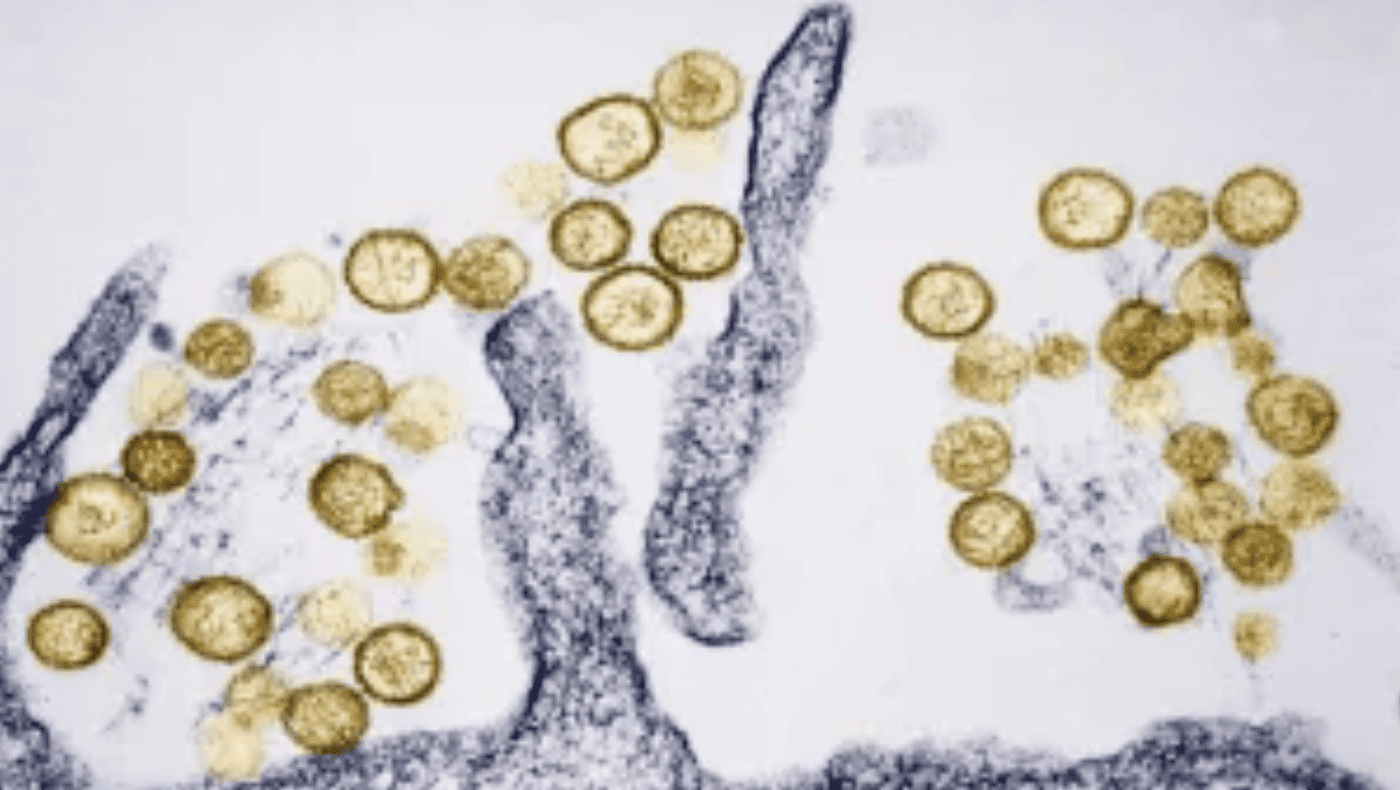
Colorado health authorities have confirmed that a fatal hantavirus case in the state is not linked to the recent outbreak aboard a cruise ship. The Colorado Department of Public Health and Environment issued a statement Monday clarifying that the victim, an adult from Douglas County, contracted the Sin Nombre strain of the virus, which is endemic to the region and typically appears in the spring.
The Centers for Disease Control and Prevention had previously reported on Friday that no cases of the Andes hantavirus strain had been identified in the United States from the cruise ship incident. This distinction is crucial because the Andes strain can spread from person to person, a rare but alarming feature that was observed on the MV Hondius cruise liner.

State officials are investigating how the individual was exposed to the virus. Early evidence points to contact with a rodent, the primary vector for hantavirus transmission. The victim's name and exact date of death have not been released, pending notification of family.
The cruise ship outbreak, which claimed three lives, has raised concerns about the Andes strain's potential for human-to-human transmission. The World Health Organization has recorded eight confirmed and two probable cases among passengers and crew aboard the MV Hondius. The CDC has been monitoring 41 individuals for hantavirus but has not imposed quarantine orders, a decision that has drawn some scrutiny.
Last Sunday, the CDC repatriated 18 American passengers who remained on the cruise ship, including one who tested positive for a mild case of the Andes virus. These passengers were transported to the Nebraska Quarantine Unit at the University of Nebraska Medical Center for assessment and a 42-day monitoring period. They were not required to isolate. Seven other passengers who returned home earlier are being monitored by their state and local health departments, according to the CDC.
The Colorado case serves as a reminder that hantavirus, while rare, is a persistent threat in rural and suburban areas where rodents are common. The Sin Nombre strain has a mortality rate of about 36%, according to the CDC. Recent research has shown that the Andes hantavirus can linger in semen for years, adding another layer of complexity to understanding transmission risks.
Public health experts have noted that the response to the cruise ship outbreak has been hampered by broader cuts to health infrastructure. Former President Trump's health cuts have been criticized for hampering hantavirus response as the CDC lost key expertise. However, officials stress that the Colorado case is unrelated and poses no additional risk to the public.
State health officials are urging residents to take precautions against rodent infestations, especially in homes, cabins, and sheds. Simple measures like sealing holes, trapping rodents, and cleaning up potential food sources can reduce the risk of exposure. The investigation into the Colorado victim's exact exposure route is ongoing.