Across the American heartland, spring is greening the fields once again. It's a familiar partnership between farmer and nature that dates back millennia. But now, a new crop is taking root: clean energy.
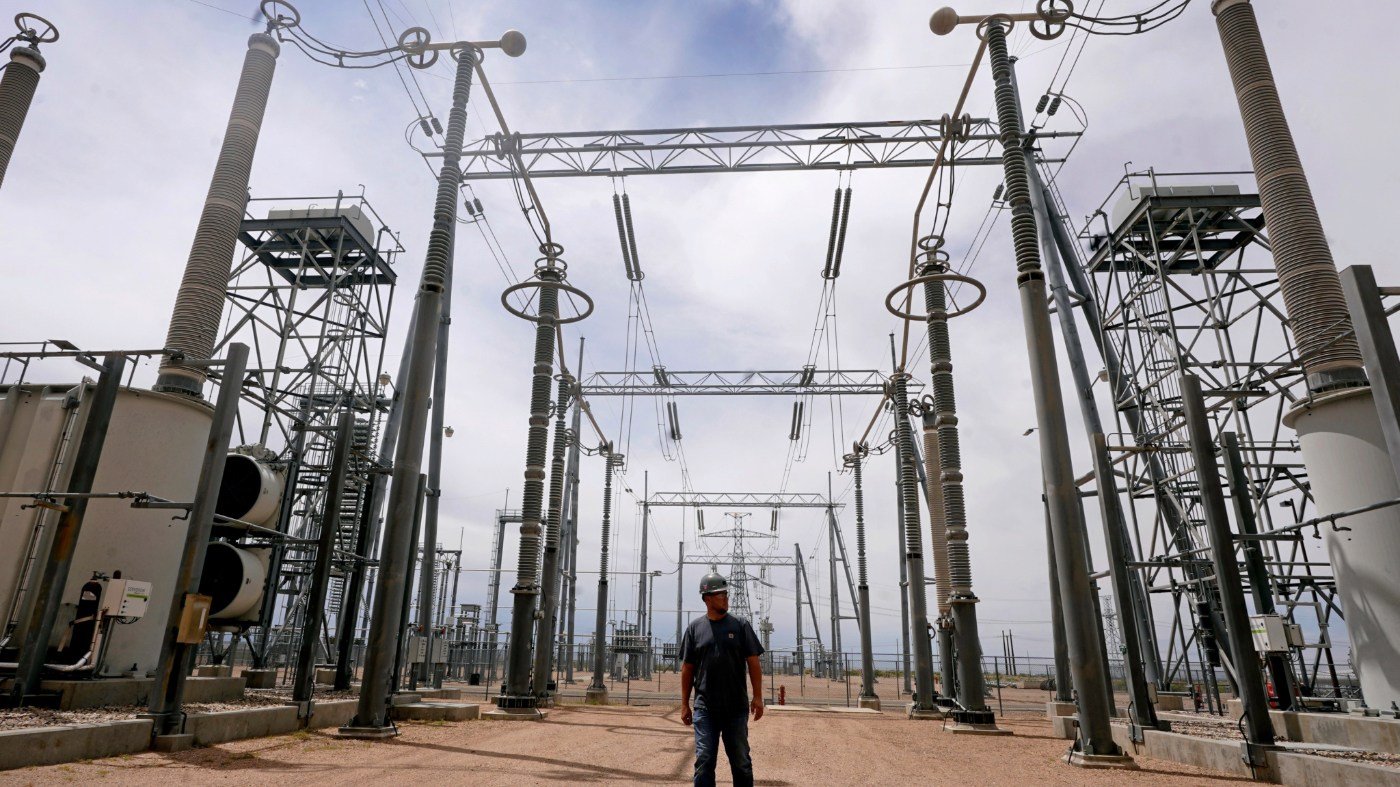
Farmers and ranchers have a chance to supply the nation with more than food and fiber. The U.S. appetite for electricity is soaring, and solar and wind have become the cheapest sources of new power. They produce no waste, rely on free fuel, and let communities generate their own electricity instead of depending on monopolies.
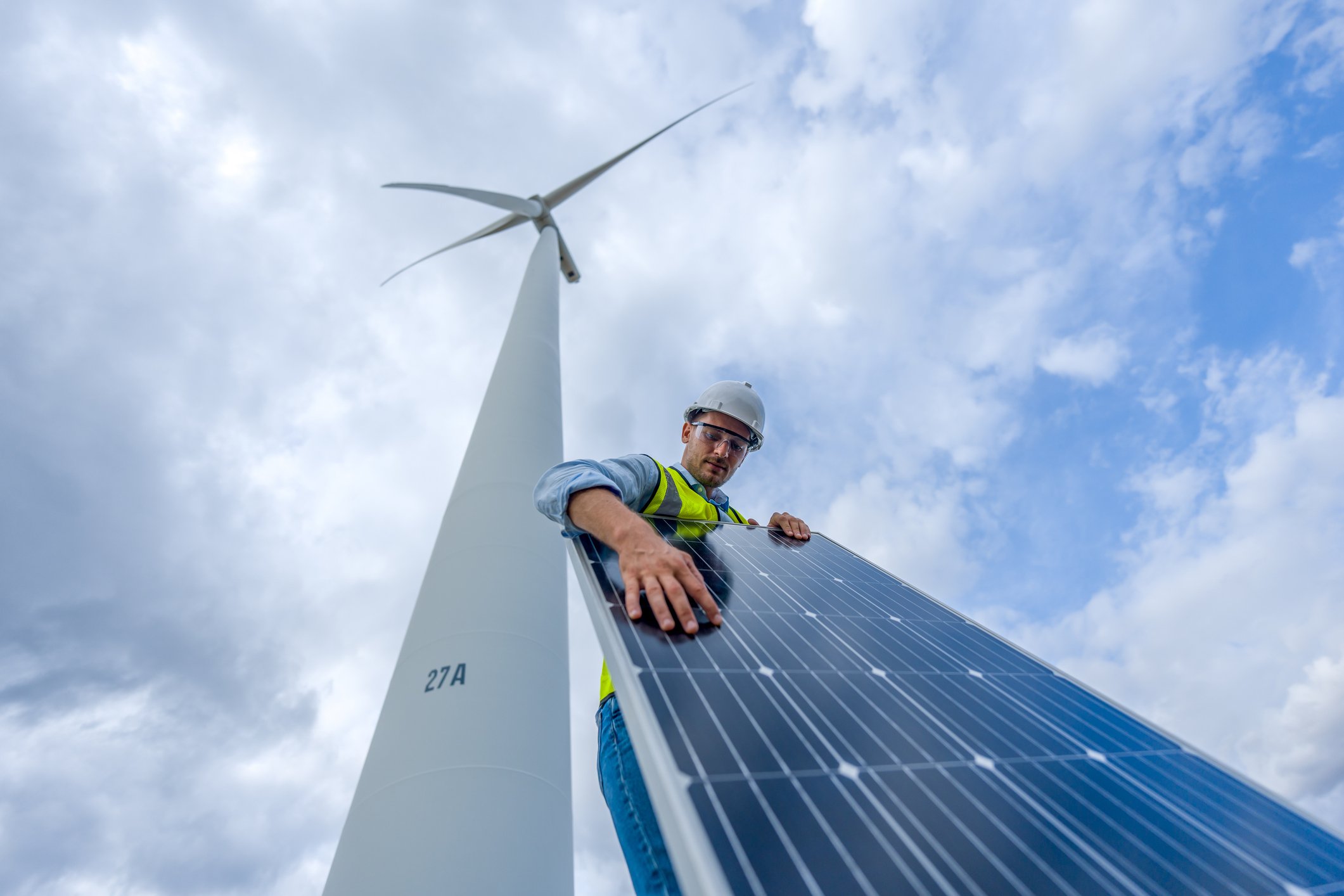
For many in agriculture, renewable energy is a dream commodity. It generates income without the heavy machinery, labor, fuel costs, or early-morning chores. There are no worries about tariff wars or volatile commodity prices. Even with battery storage and without subsidies, wind and solar are cheaper than fossil fuels or nuclear power.
The market is booming. Utility-scale wind and solar set a U.S. record last year, providing 17–19 percent of the country's electricity. Solar alone grew 34 percent year over year, making it the fastest-growing source of new generating capacity. That growth is pouring money into rural areas. In 2024, lease payments and tax revenues from wind and solar exceeded $3.5 billion. Nine states saw over $1 billion in such revenues. In some places, farm income from energy now rivals that from traditional crops.
This comes at a critical time. The Trump administration's tariffs have hammered demand for U.S. soybeans and other exports, particularly from China. As the GOP scrambles to secure new farm deals, rural economies are under severe strain. Studies show rural counties are twice as likely as urban ones to be in economic distress.
With oil and gas prices at the mercy of global markets, and coal and nuclear generating hazardous waste, renewables are the clearest path to energy independence. They are the true "America First" options. Yet opposition is mounting. Signs protesting wind and solar farms dot the countryside.
The resistance is fueled, in part, by misinformation. Fossil fuel companies have spent millions on scare campaigns, according to The Guardian, leading local governments to ban large-scale solar on farmland. Meanwhile, the same report notes that solar leases offer a guaranteed income to landowners battered by trade disruptions.
Renewable energy advocates counter that solar and wind farms can coexist with grazing and crops. But large developments do have trade-offs. Rural leaders and landowners should do their own homework rather than rely on paid propaganda.
America's farmers understand working with the land. They want to prosper by meeting national needs. Now, sunlight and wind join food and fiber as essential American crops. They provide income for struggling communities and help keep family farms intact. The future is here, and it must begin now.