For years, Southeast Asian governments bowed to pressure from international lenders and climate conferences, promising to phase out fossil fuels and pour money into wind and solar. Indonesia and Vietnam secured billions in green financing through the Just Energy Transition Partnership. Leaders set net-zero targets for 2050 and vowed to exit coal by 2040 or earlier, with natural gas as the bridge fuel.
Then reality hit. A sudden oil and gas crunch, fueled by the expanding conflict in the Middle East, exposed fatal flaws in those plans. Gas markets tightened overnight. Shipping through the Strait of Hormuz became risky. Liquefied natural gas prices surged, and supply chains stumbled. Now, ASEAN governments are quietly ripping up their climate pledges and reverting to oil, coal, and natural gas—the only affordable sources that can keep their economies running.
Since mid-April, reports show a clear pattern across Asia: LNG disruptions, higher spot prices, and a scramble for reliable power that coal still delivers cheaper and faster than most alternatives. ASEAN does not run on slogans. When gas prices jump and supplies tighten, utilities reach for coal because it is available and familiar.
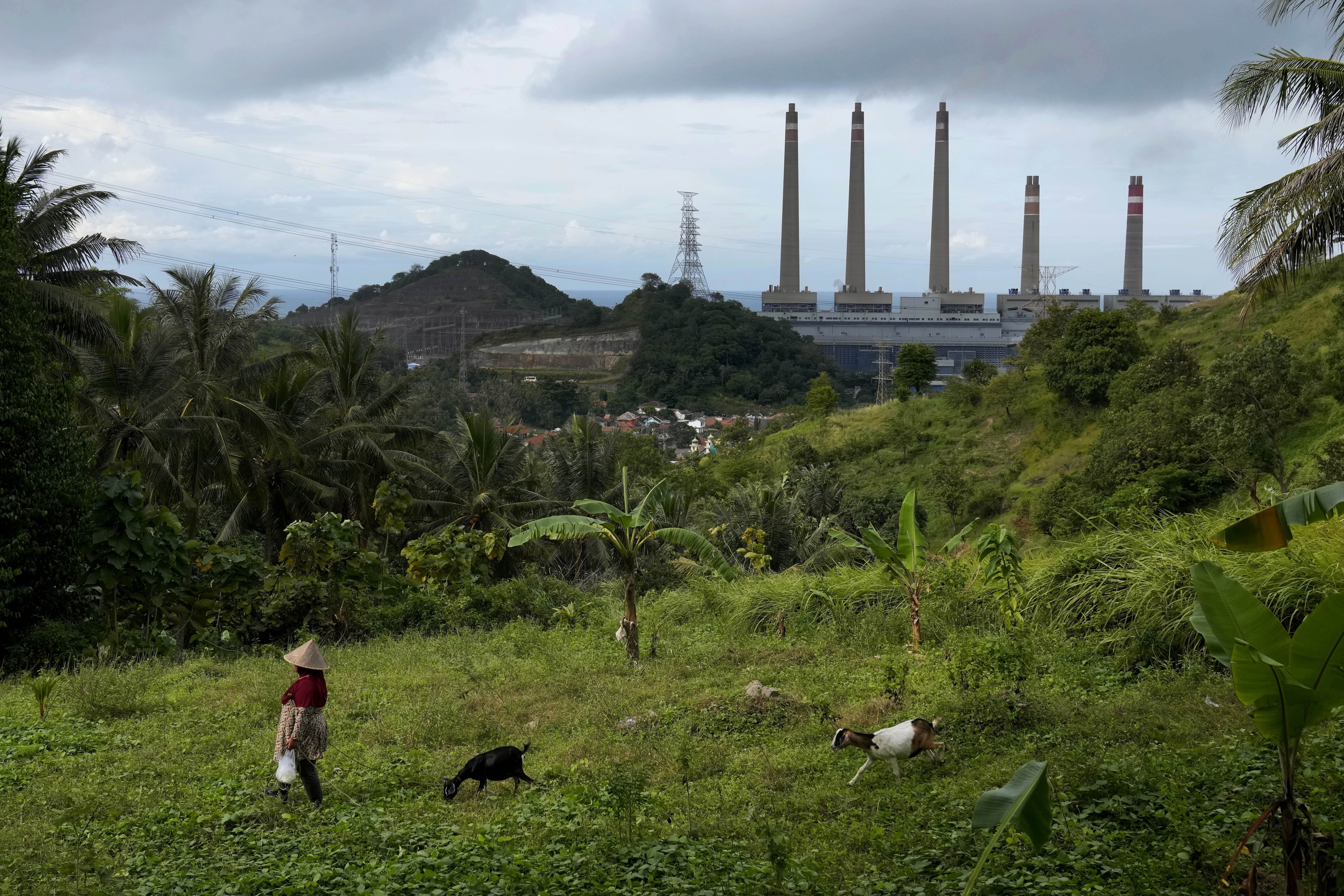
This month, Indonesia Energy Minister Bahlil Lahadalia made it plain: “I decided, let coal continue for now. This is about survival mode and efficiency. We must not sacrifice our people with high electricity prices.” Indonesia has approved higher coal production quotas and delayed phase-out schedules for plants like Cirebon-1. Plans to eliminate coal sit on the shelf. Affordable power for 280 million people comes first.
In Vietnam, coal-fired generation jumped 44 percent month-over-month in March, hitting 16 terawatt-hours—56 percent of total output, the highest share in recent memory. Utilities negotiated extra coal imports to fill gaps left by expensive and scarce LNG. Thailand restarted two decommissioned units at the Mae Moh coal plant and ordered existing stations to maximum capacity, adding 600 megawatts to stabilize costs after gas prices soared.
The Philippines declared a national energy emergency in late March after gasoline prices more than doubled. Coal already supplies about 60 percent of electricity. The government ramped up coal output and considered easing restrictions on new capacity. Energy Secretary Raphael Lotilla signaled that temporary reliance on coal would prevent shortages. In Myanmar, long queues at petrol stations and black-market prices more than double official rates have slowed rice harvesting and hiked food costs—pushing utilities to lean harder on domestic coal reserves.
The speed with which ASEAN nations abandoned their net-zero pledges reveals the fragility of the climate agenda. When a real threat emerged, the green transition proved a luxury belief held by those who never worry about their next kilowatt. Developing economies are rejecting climate dogma that demands perpetual impoverishment. They are expanding coal mining to ensure steady domestic fuel, protecting themselves from wild LNG price swings.
The irony is stark: governments that promised rapid decarbonization now lean on coal to keep lights on and electricity tolerable. For ordinary households, energy security is not a debate-club topic—it is the difference between affordable power and dangerous disruptions. As global gas markets remain volatile, ASEAN’s pivot to coal is likely to accelerate, echoing similar struggles in other regions where high gas prices threaten political stability and economic growth.