Top Republican Appropriator Challenges White House Spending Plan
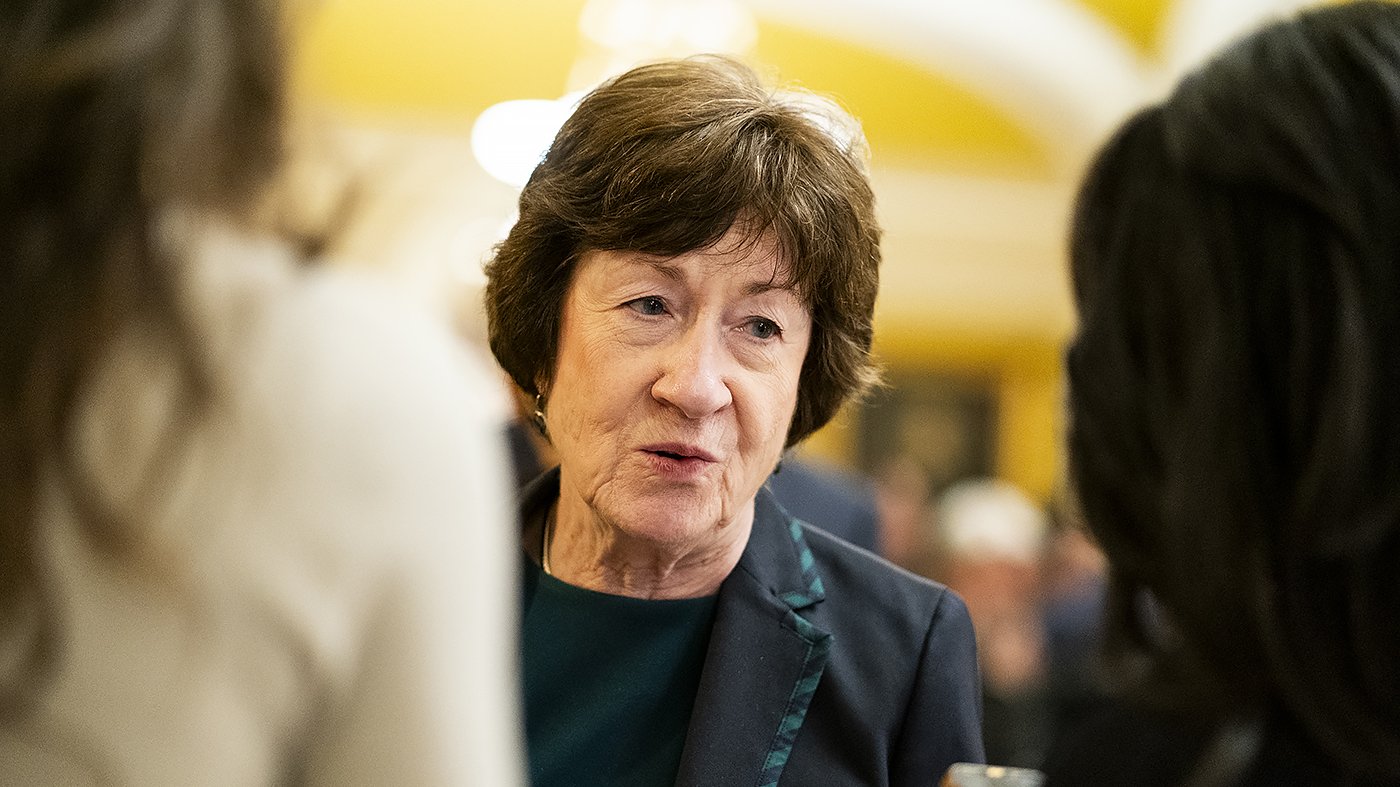
Senate Appropriations Committee Chair Susan Collins (R-Maine) issued a sharp critique of the White House's fiscal 2027 budget proposal on Friday, taking specific aim at its sweeping cuts to domestic programs. Her public rebuke signals that the Republican chair may not readily endorse President Trump's spending blueprint as it moves through Congress.
In a statement posted on social media, Collins emphasized the constitutional separation of powers on fiscal matters. "While the Administration proposes a budget, Congress holds the power of the purse," she wrote, asserting legislative authority over the final appropriations process.

Budget Details Spark Immediate Controversy
The administration's proposal, unveiled Friday, calls for a dramatic $1.5 trillion in defense spending—a roughly 42 percent increase for the Pentagon—paired with a $73 billion reduction in non-defense discretionary spending. Programs targeted for elimination or reduction include many the administration has labeled as "woke," spanning housing, community development, environmental protection, and healthcare initiatives.
Collins, who faces a challenging reelection campaign, outlined what she termed "several shortcomings" in the request. She highlighted "unwarranted" cuts to biomedical research and the proposed termination of established assistance programs. These include the Low Income Home Energy Assistance Program (LIHEAP), Job Corps, and a federal program supporting low-income, first-generation college students. "These are proven programs that I strongly support," Collins stated.
The Maine senator also criticized planned cuts to the Essential Air Service, which subsidizes commercial flights to small and rural communities. She noted a precedent for rejecting such measures, pointing out that "Congress decisively rejected these particular cuts last year." Collins was one of only three Senate Republicans to vote against Trump's major spending bill last summer, demonstrating her occasional willingness to break with her party's president.
Broader Political Context and Next Steps
The White House aims to secure $350 billion for what it calls "critical Administration priorities," including munitions production and defense industrial base expansion, through the budget reconciliation process. This legislative tool allows certain fiscal measures to pass the Senate with a simple majority, bypassing the usual 60-vote threshold.
Collins outlined the forthcoming congressional review, stating, "The Senate Appropriations Committee will now hold hearings with cabinet members and agency heads to review these recommendations and to explore other fiscally responsible proposals." She also issued a pointed message to Democratic colleagues, urging them to abandon tactics she described as designed to "impede the appropriations process and shut down federal agencies" and instead "work with us to govern responsibly."
Democratic opposition was immediate and forceful. Senate Appropriations Committee Vice Chair Patty Murray (D-Wash.) dismissed the proposal as "bleak and unacceptable." In a statement, Murray argued, "President Trump wants to slash medical research to fund costly foreign wars. It doesn't get more backward than that, and the only responsible thing to do with a budget this morally bankrupt is to toss it in the trash."
This early clash over the 2027 budget occurs against a backdrop of persistent fiscal disagreements within the GOP and comes as the administration is simultaneously engaged in high-stakes international negotiations, having recently responded to a ceasefire proposal from Iran. Collins's stance suggests the president's budget faces significant hurdles, not only from unified Democratic opposition but also from key Republicans who control the Senate's purse strings.