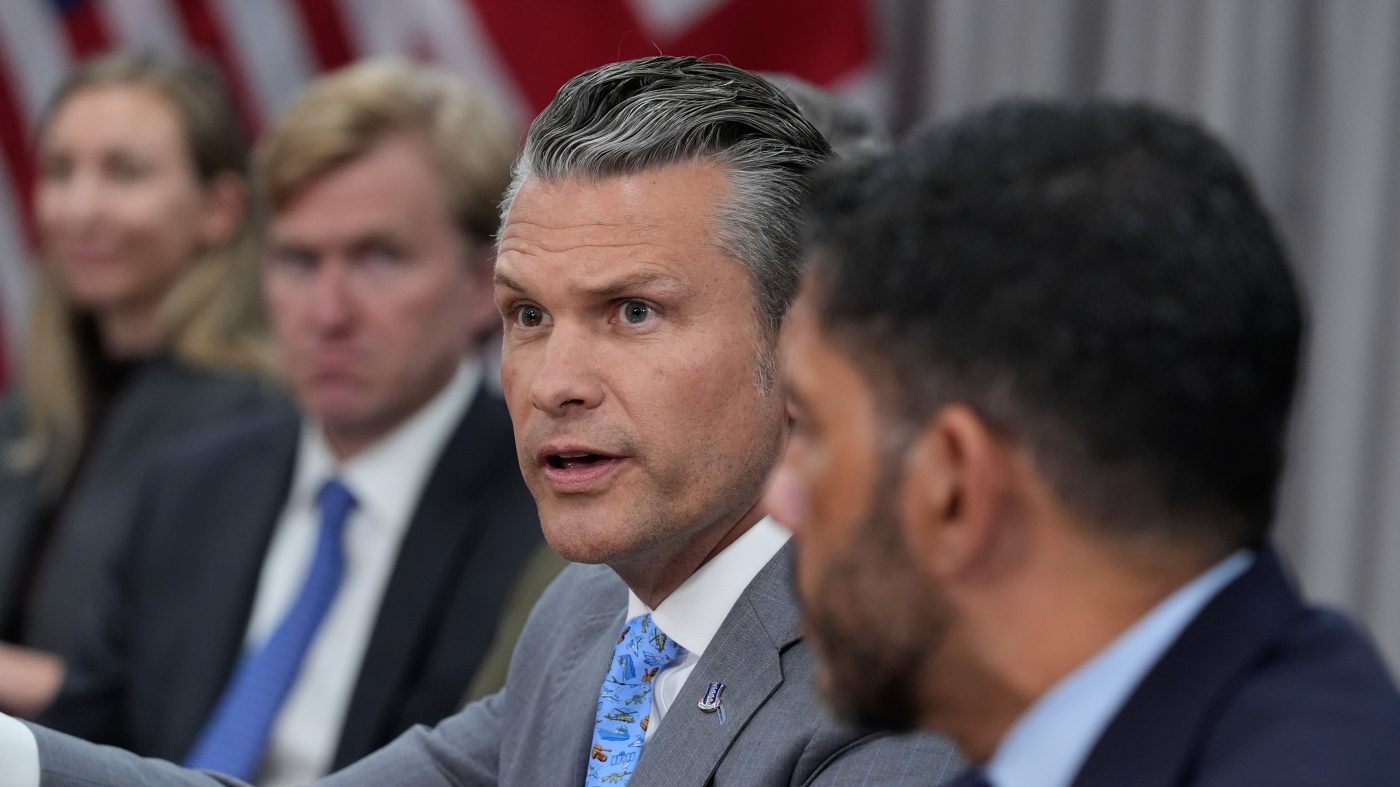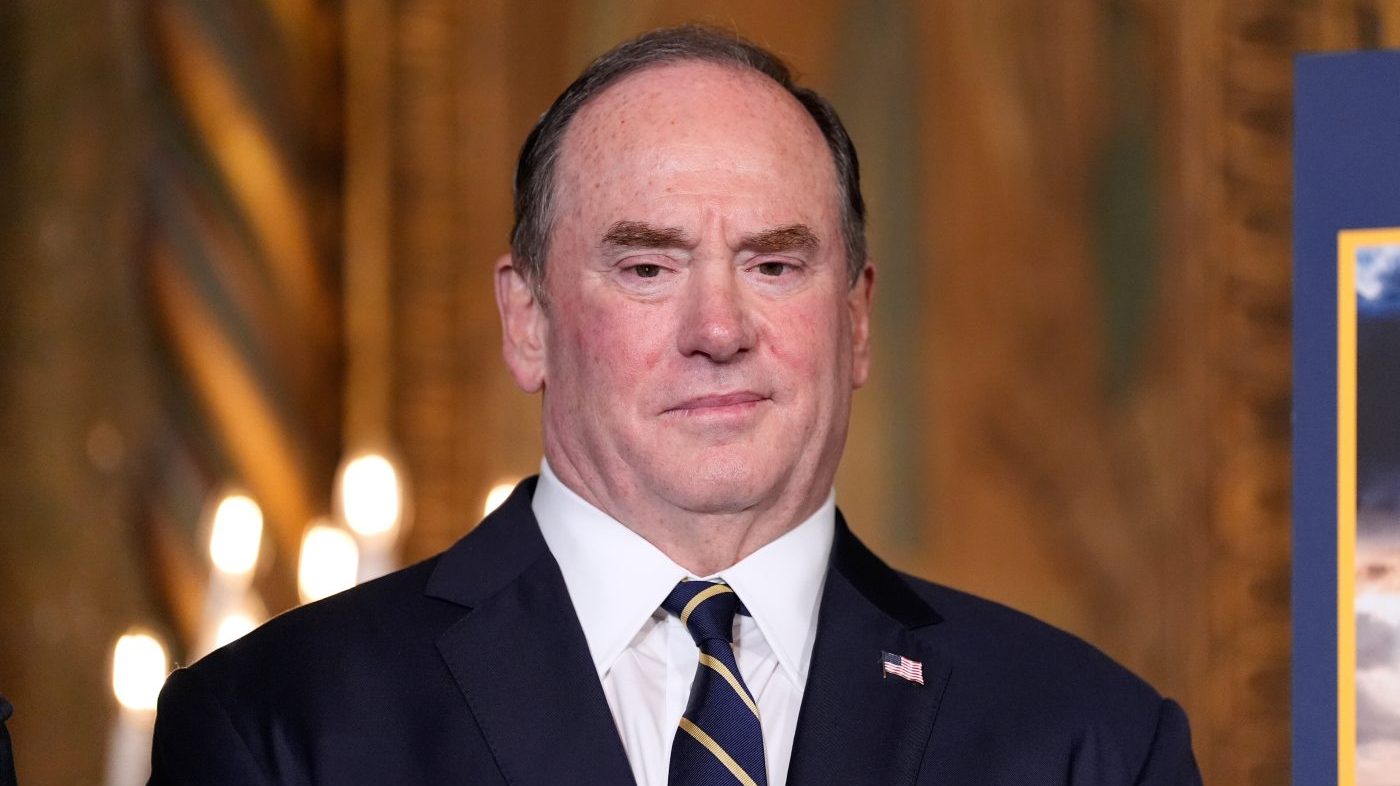
Navy Secretary John Phelan will step down from his position after serving just over a year, the Department of Defense confirmed Wednesday. His departure marks another high-level exit from the Pentagon under the leadership of Defense Secretary Pete Hegseth.
Sean Parnell, the Pentagon's chief spokesperson, issued a statement acknowledging Phelan's service. "On behalf of the Secretary of Defense and Deputy Secretary of Defense, we thank Secretary Phelan for his dedication to the Department and the United States Navy," Parnell said. The statement concluded with standard well-wishes for his future.
Undersecretary of the Navy Hung Cao will assume the role of acting secretary immediately. Cao is a retired Navy captain who previously ran as a Republican candidate for the U.S. Senate in Virginia. His appointment ensures continuity in naval leadership during the transition period.
Leadership Turnover Continues
Phelan, confirmed by the Senate in March of last year, becomes the latest in a series of senior officials to depart the Defense Department in recent months. This pattern of turnover has drawn attention to stability within the Pentagon's civilian leadership ranks.
The Navy faces numerous strategic challenges, including naval modernization, competition in the Indo-Pacific, and managing a complex procurement landscape. The department recently faced scrutiny over a major investment in autonomous warfare systems, a program critics warn could repeat historical acquisition mistakes.
Phelan's relatively brief tenure contrasts with the longer service of some predecessors. No specific reason for his departure was provided in the Pentagon's announcement, which followed the standard protocol for such personnel changes.
Context of Recent Departures
This resignation follows other significant exits from the administration. Recently, Labor Secretary Chavez-DeRemer left for the private sector, while other departments have seen policy shifts, such as the Pentagon's elimination of the universal military flu vaccine mandate—a move criticized by some lawmakers.
The change in naval leadership occurs amid broader national security debates. The administration continues to grapple with congressional pressure on transparency issues, including promised disclosures regarding unidentified aerial phenomena. Meanwhile, global energy markets remain volatile, with officials warning that gas prices may stay elevated due to instability in key regions.
The Pentagon has also been addressing internal matters, including recent corrections to military awards. The department upgraded valor awards for Marines involved in the Abbey Gate attack after determining previous honors were insufficient.
Acting Secretary Cao will now oversee the Navy and Marine Corps during a critical period. His background as a naval officer and political candidate provides a unique perspective, though his tenure may be interim pending a permanent nomination and confirmation process.