The U.S. Army has fundamentally redesigned its annual physical fitness evaluation for active-duty soldiers, moving away from traditional, segmented exercises toward a continuous, combat-focused assessment. Announced Wednesday, the new test comprises seven consecutive events, with soldiers scored on their total completion time rather than individual component scores.
A Test of Endurance and Combat Readiness
The updated protocol requires soldiers to perform a sequence of demanding tasks without rest. The events begin with a one-mile run, followed immediately by 30 dead-stop push-ups. Soldiers then execute a 100-meter sprint before moving to strength-focused challenges: 16 lifts of a 40-pound sandbag onto a 65-inch platform, and a 50-meter carry of two five-gallon water cans, each weighing 40 pounds.
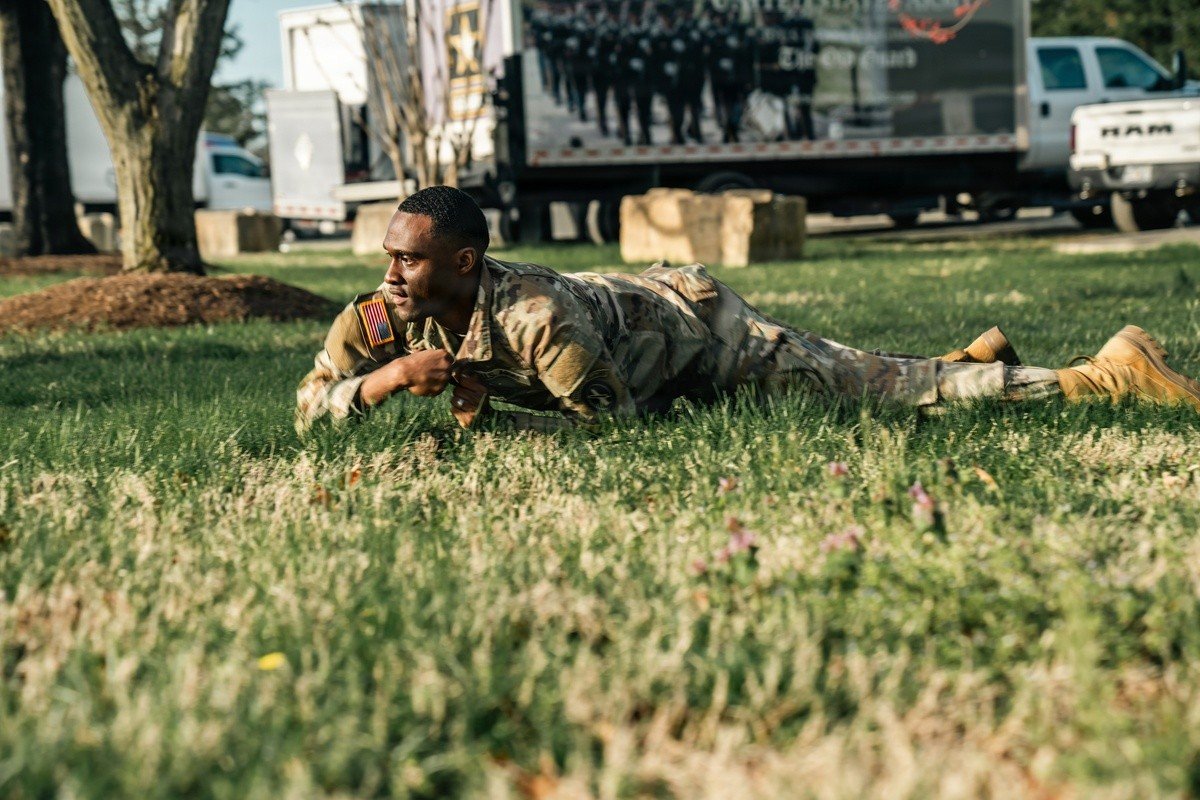
The test then incorporates tactical movement with a 50-meter drill consisting of a 25-meter high crawl and a 25-meter rush, designed to simulate advancing under fire. It concludes with a final one-mile run, testing endurance after significant muscular fatigue. This structure marks a decisive shift from the Army's long-standing use of the Army Physical Fitness Test (APFT), which measured push-ups, sit-ups, and a two-mile run as separate, timed events.
Evolution of Military Fitness Standards
For decades, military fitness tests followed a relatively simple formula centered on running, push-ups, and sit-ups. Over time, branches have adapted their standards to better reflect job requirements and modern health science. For instance, the Air Force allows members to choose between a 1.5-mile run or a shuttle sprint, while other services sometimes permit stationary biking or rowing as cardio alternatives. The plank exercise has also gained widespread adoption across the force as a core-strength assessment, largely replacing the traditional sit-up.
The Army's new test, however, represents the most significant and integrated overhaul, explicitly linking physical performance to battlefield tasks. The inclusion of sandbag lifts, water can carries, and tactical crawls directly mirrors common activities in field operations, from fortifying positions to casualty evacuation. This change follows years of analysis and field trials aimed at reducing injuries and improving overall combat effectiveness.
The development of this test occurs within a broader context of U.S. military posture and readiness debates. As global tensions persist, the physical conditioning of the force remains a critical component of national defense strategy. Discussions around military preparedness often intersect with political decisions on defense spending and strategic commitments, such as recent statements from lawmakers like Rep. Waltz regarding potential military options concerning Iran and the Strait of Hormuz.
Furthermore, the focus on health and physical standards within government institutions echoes ongoing policy discussions in other sectors. For example, debates over preventive care mandates and the structure of health advisory panels, similar to recent moves to overhaul a key healthcare advisory committee, highlight how institutional standards are continually reassessed.
The implementation of this new fitness regime will require significant adjustments for the Army's ranks. Training protocols across bases are expected to evolve to prepare soldiers for the specific demands of the continuous, multi-domain test. Proponents argue it will create a more resilient and capable force, while critics may question the logistical burden and potential for increased training-related injuries during the transition period.
This policy shift underscores the military's adaptive response to the evolving nature of warfare, where physical stamina, strength, and the ability to perform under fatigue are paramount. It also reflects a departure from one-size-fits-all assessments toward a more functionally relevant standard, setting a new benchmark for soldier fitness that other branches may observe closely.