The House Oversight Committee has initiated a formal investigation into the troubling pattern of disappearances and deaths among American scientific researchers, with one committee member publicly raising the possibility of foreign adversary involvement.
Republican Representative Eric Burlison of Missouri told The World Signal that he believes nations hostile to the United States, specifically naming China, Russia, and Iran, could be connected to the cases of more than ten scientists who are now missing or deceased under circumstances some consider suspicious. "I would not be surprised if our adversaries saw an opportunity to take out some of our nation's top scientists," Burlison stated.
Scientists Seen as 'Easy Targets'
Burlison expressed concern for the broader scientific community, noting that researchers often lack the security protections afforded to other government or defense personnel. "These scientists are not hardened. They don't have a security detail. So they would be a very easy target," he said, emphasizing the vulnerability of individuals working on sensitive technological and scientific projects.
The FBI confirmed it is leading a multi-agency effort to investigate potential connections between the cases. In a statement, the Bureau said it is "spearheading the effort to look for connections into the missing and deceased scientists," and is coordinating with the Department of Energy, the Department of Defense, and state and local law enforcement partners.
A Specific Case Under Scrutiny
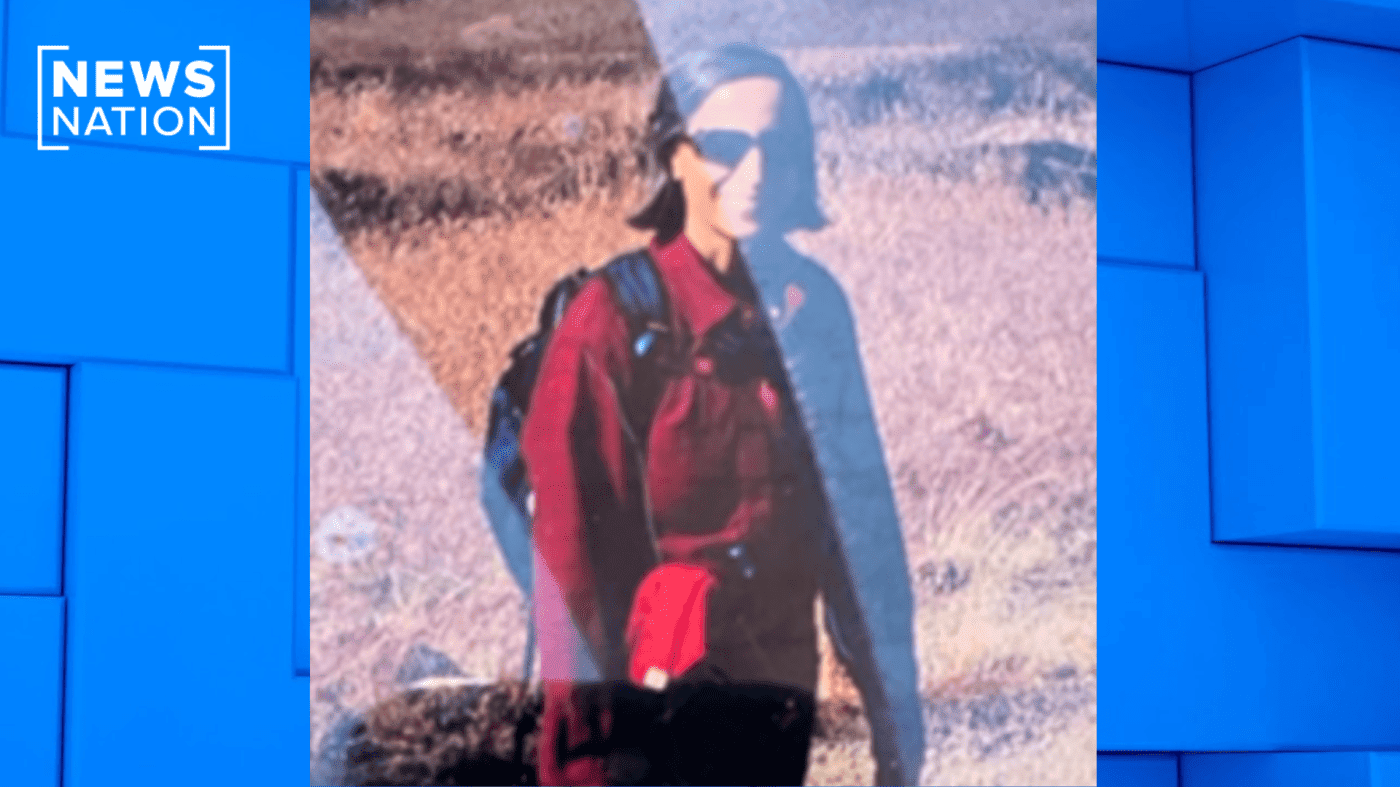
One prominent case involves Monica Jacinto Reza, a 60-year-old fellow in the Materials Science and Engineering Department at Aerojet Rocketdyne, a major rocket engine manufacturer. Reza, whose work falls within the critical aerospace and defense sector, has been missing since 2025 after she went for a hike in the Los Angeles area and never returned. Her disappearance is now part of the broader federal and congressional scrutiny.
The launch of this probe by the House Oversight Committee marks a significant escalation in official attention to the matter. It follows earlier expressions of concern from other members of Congress about the potential targeting of U.S. technical expertise. This congressional action occurs alongside other high-stakes investigations, as the House grapples with internal ethics crises.
The implications of the investigation extend into national security and technological competition. Many of the scientists involved have backgrounds in fields with dual-use applications, including nuclear technology, advanced materials, and aerospace engineering—areas where the U.S. maintains a strategic edge. The suggestion of foreign involvement underscores the increasingly contentious global landscape for scientific and technological supremacy.
Burlison's warnings reflect a growing consensus in some security circles about the risks faced by unguarded intellectual capital. The investigation will likely examine not only the circumstances of each individual case but also the adequacy of current protections for researchers working outside traditional classified environments. This scrutiny comes as Congress is also engaged on other complex policy fronts, from the influence of dark money in electoral processes to debates over AI and copyright law.
As the FBI and congressional investigators continue their work, the scientific community and national security apparatus are on alert. The outcome of this probe could prompt significant changes in how the government assesses and mitigates threats to its civilian research workforce in an era of great-power competition.