Congressional Probe Targets Pattern of Scientist Deaths, Disappearances
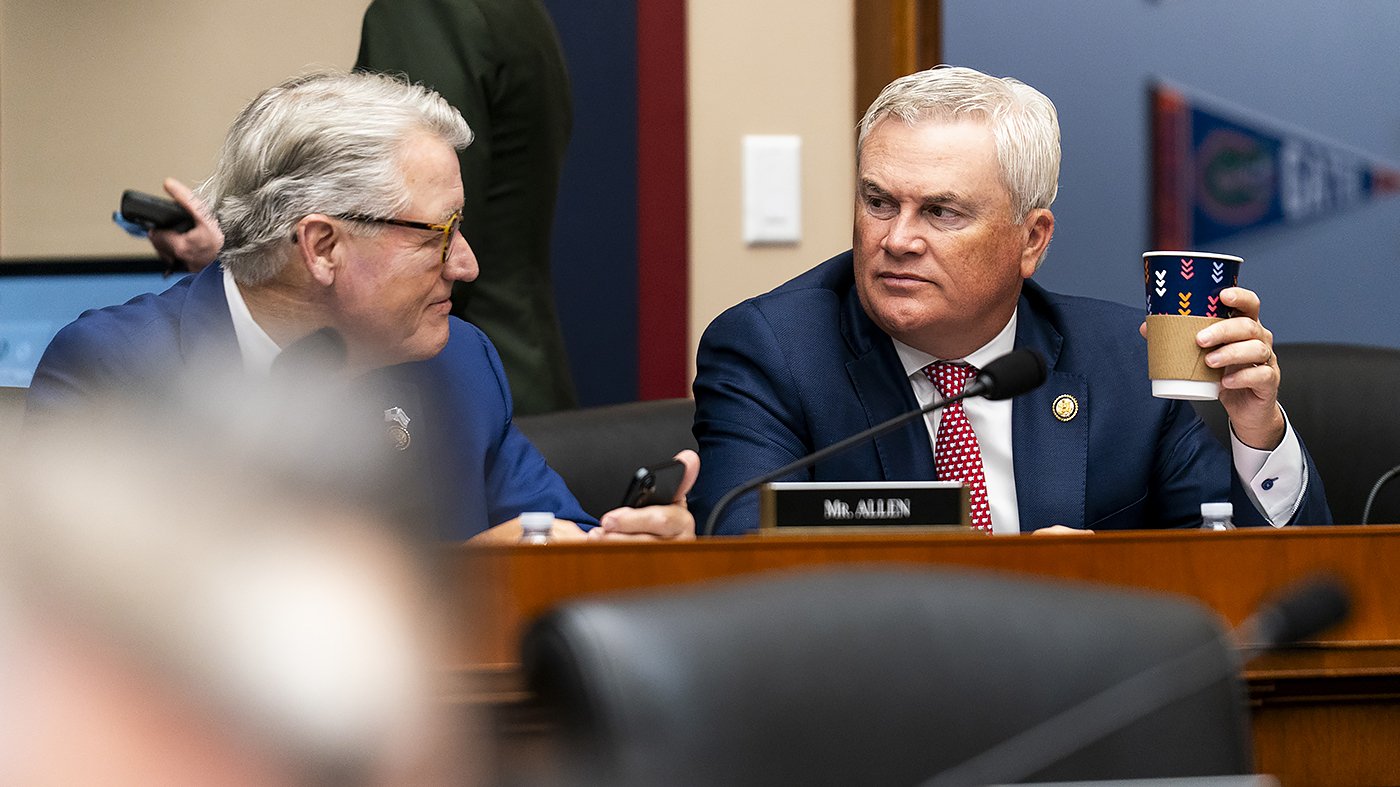
The House Oversight and Government Reform Committee has opened a formal investigation into the deaths and disappearances of ten American scientists, all of whom held security clearances and worked within the nation's nuclear or space research infrastructure. Chairman James Comer (R-Ky.) announced the probe on Sunday, framing it as an urgent matter of national security.
"We're very concerned about this. This is a national security concern. This would suggest that something sinister may be happening," Comer stated during an appearance on Fox News. He emphasized the committee's intent to use its authority to uncover potential threats to personnel in critical research roles.
Seeking Answers from Security Agencies
According to Comer, the committee plans to demand briefings from multiple federal agencies, including the Pentagon, the FBI, the Department of Energy, and NASA. The goal is to determine whether the incidents are connected and to identify any systemic vulnerabilities. "Hopefully, with our bully pulpit, we can maybe bring attention to this... and prevent this from happening in the future," Comer added.
While law enforcement has not officially confirmed a link between the cases, the common thread of high-level security access at national research facilities has raised alarms. The circumstances vary, with one scientist confirmed shot to death and others vanishing from their homes or workplaces.
White House Responds as Scrutiny Grows
The situation has drawn attention from the highest levels of government. President Trump has stated he hopes the incidents are "random" but acknowledged the gravity of the situation, telling reporters the administration expects to have more answers within days. He noted that some of the individuals involved were "very important" people.
White House Press Secretary Karoline Leavitt has pledged a thorough examination, stating "no stone will be unturned" in the investigation. She confirmed she would consult with relevant agencies regarding the potential connections between the scientists. This congressional inquiry adds to the administration's own review of the troubling reports.
The probe launches amid broader congressional scrutiny of national security and intelligence matters. The House is concurrently engaged in debates over surveillance authority, where figures like Democratic Leader Hakeem Jeffries have signaled strong opposition to renewing FISA without significant privacy reforms. Furthermore, the Pentagon is facing increased oversight from Capitol Hill on various fronts, including leadership changes and budget scrutiny.
This investigation into the scientists underscores persistent concerns about the protection of personnel with access to America's most sensitive technologies. The committee's findings could have significant implications for security protocols at federal research installations and for the nation's competitive edge in strategic domains like nuclear energy and space exploration.