Grammys on the Hill Spotlights AI Threat to Music Industry
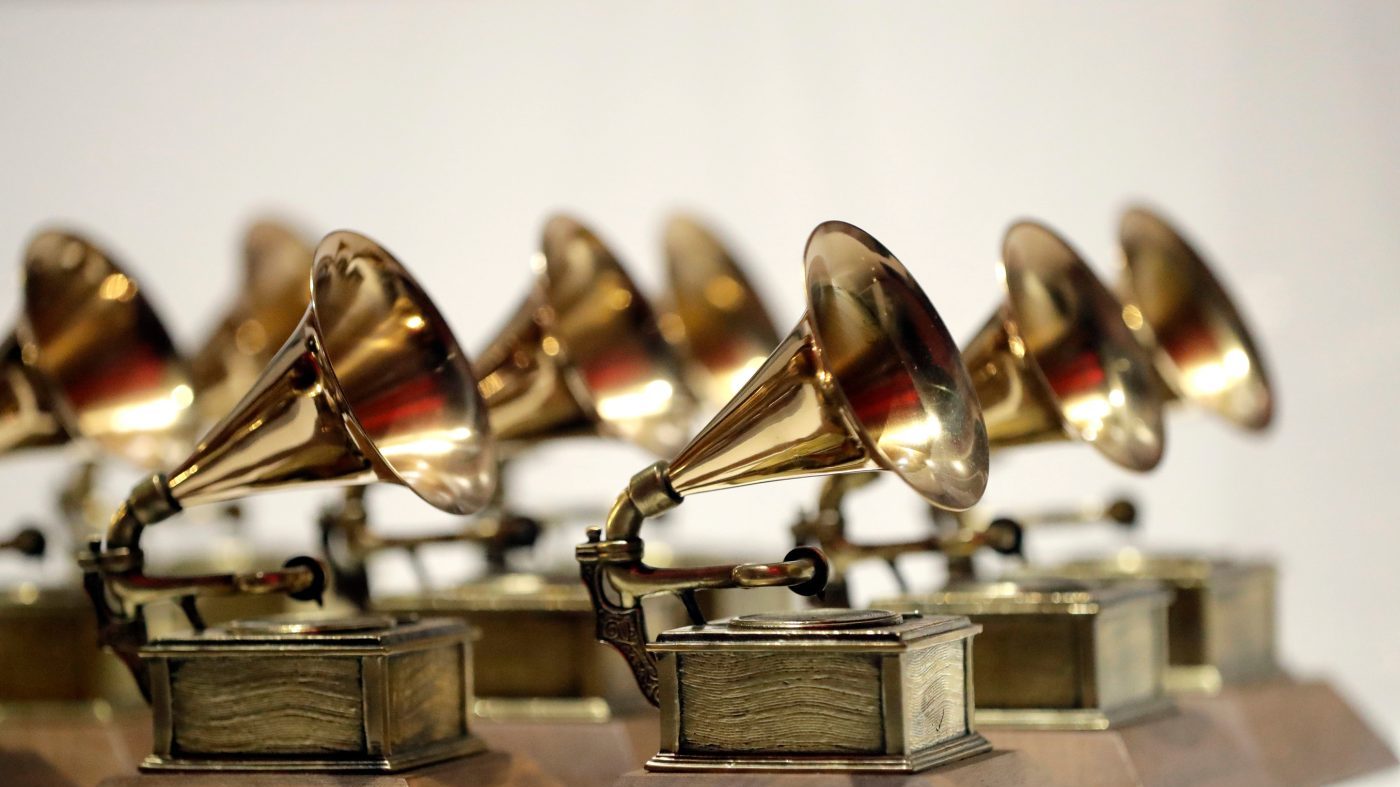
The Recording Academy's annual Grammys on the Hill awards ceremony in Washington this week turned its focus squarely on the political battle over artificial intelligence, honoring two lawmakers leading the charge to protect artists from digital replication. The event, marking its 25th anniversary, brought together members of Congress, including House Minority Leader Hakeem Jeffries (D-N.Y.) and former Speaker Nancy Pelosi (D-Calif.), with Grammy-nominated artists and music creators to advocate for stronger copyright safeguards.
Bipartisan Honors for Copyright Champions
Senator Chris Coons (D-Del.) and Representative Maria Elvira Salazar (R-Fla.) received awards for their work sponsoring the No Fakes Act, legislation that would create liability for using AI to generate unauthorized digital replicas of a person's voice or likeness. In his remarks, Coons emphasized the global cultural influence of American music and the personal connection driving his advocacy. "I've had a ringside seat to what it means to have his singing, his writing, pirated," Coons told reporters, referencing his stepbrother who is a professional musician.
Salazar, accepting her award, highlighted the concentration of musical talent in her South Florida district, which includes artists like Shakira and Gloria Estefan. She framed the protection of artists as a core legislative duty, distinct from her other work on issues like immigration reform and foreign policy. "This is really a fresh air that we are here tonight, and that we are surrounded by people that create something different than legislation on tariffs," Salazar quipped during her speech.
The Legislative Framework
The No Fakes Act represents a significant bipartisan effort to establish federal protections against AI-generated forgeries. The Senate version is co-sponsored by Senators Marsha Blackburn (R-Tenn.), Thom Tillis (R-N.C.), and Amy Klobuchar (D-Minn.). Salazar is carrying the companion bill in the House. This legislative push follows Salazar's previous success with the Take It Down Act, which was signed into law last year to combat nonconsensual AI-generated intimate imagery.
The event underscores how technology policy is increasingly intersecting with cultural and creative industries, creating unusual political alliances. As Congress grapples with the broader implications of AI, the music industry's lobbying efforts provide a concrete case study of the potential harms and the demand for regulatory guardrails. This comes amid other high-profile cultural-political moments, such as when Representative Steve Cohen honored songwriter Don Schlitz on the House floor earlier this year.
Artists Voice Concerns Over AI's Creative Impact
The concerns were not limited to lawmakers. Performing artists and educators at the event expressed deep apprehension about AI's effect on artistic integrity. Johnaye Kendrick, a member of the Grammy-winning vocal group säje and a music professor, described the encroachment of AI in academic settings. "Students are utilizing AI to write their music, which affects the art they are creating and is simplifying everything that we work so hard for them to develop," Kendrick stated. She argued that AI risks draining the essential human element from creative work, calling music creation "a sacred experience."
The evening blended policy discussion with performances, including sets by guitarist Kenny Wayne Shepherd and a collaboration between Maggie Rose and Grace Potter. The mix of music and politics highlighted the industry's strategy of making its case directly to power brokers in the capital, a tactic also seen in other policy arenas like defense budget negotiations.
A Broader Political Context
The focus on protecting individual rights and creative property from technological disruption exists within a wider political landscape where cultural issues are increasingly polarized. While the AI copyright fight has fostered cross-aisle cooperation, it contrasts sharply with other divisive debates involving religion and national identity, such as the ongoing discussions around Christian nationalism and political rhetoric. The Grammys on the Hill event demonstrated a policy area where commercial interests and individual rights concerns can temporarily align lawmakers from both parties, even as they clash on other fronts.
The path forward for the No Fakes Act remains uncertain in a divided Congress preoccupied with elections and spending bills. However, the high-profile recognition of its sponsors signals the music industry's commitment to making AI copyright a legislative priority. As artificial intelligence tools become more accessible and powerful, the pressure on Washington to update intellectual property laws for the digital age will only intensify, setting the stage for one of the next Congress's defining technology policy debates.