Republican Civil War Erupts Over Immigration Reform
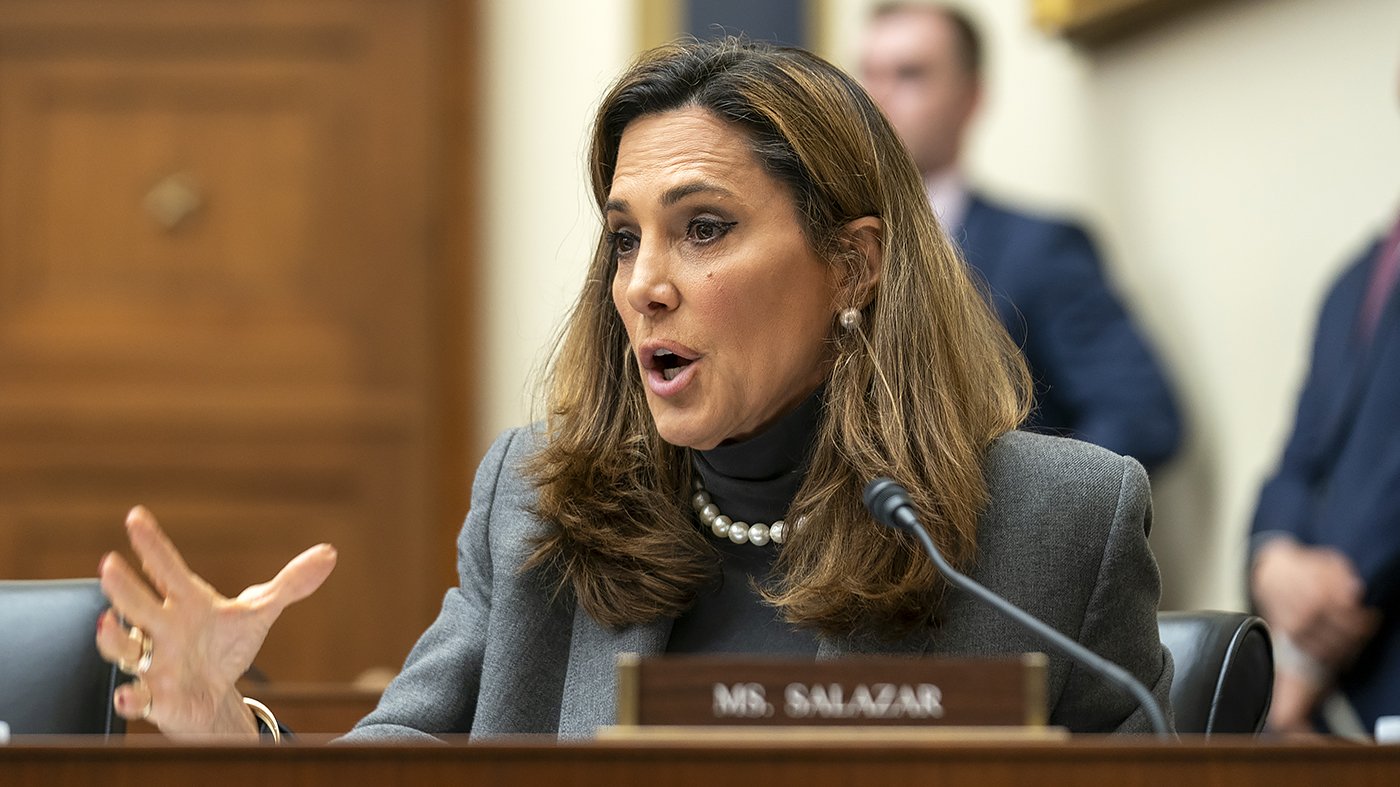
Florida Representative Maria Salazar is openly confronting a wave of conservative fury directed at her signature immigration legislation, the Dignity Act, daring critics to challenge her politically. The Republican congresswoman has faced escalating attacks from right-wing media figures and colleagues in recent weeks, including calls for primary opponents to target her and every GOP co-sponsor of the bill.
"I welcome it," Salazar stated Thursday regarding the primary threats. "Those are the rules of the game. I like that game. It's better than the Cuban game or the Venezuelan or the Iranian. It's not pretty, it's not perfect, it's not comfortable, but it's the American way of doing business."
A Clash of Ideologies on the House Floor
Salazar recently approached one of her bill's most vocal opponents, Texas Republican Brandon Gill, for a direct conversation. "I said, why don't you explain to me what is it that you know that I don't about immigration?" she recounted, describing the exchange as "very nice" while acknowledging Gill had "some legitimate points." She proposed a public, potentially televised debate on the legislation.
Gill, who emphasized the bill's official Spanish name 'Dignidad Act,' confirmed the discussion but framed it as an irreconcilable ideological divide. "We're just diametrically opposed on this issue. I'm taking the conservative side and they've taken the Democrat side," Gill said. "We are so wildly divergent on this issue. It's hard to imagine how we reach some form of consensus." He expressed openness to a debate but insisted the bill must be scrapped entirely, stating he would never vote for it under any circumstances.
The Core of the Controversy: Legal Status vs. Amnesty
The Dignity Act proposes allowing migrants unlawfully present before 2021, absent criminal records, to obtain a new legal status by paying $7,000 in restitution and any back taxes owed. This status would not provide a path to citizenship or eligibility for welfare programs. The bill also mandates increased border security funding, technology investments, and nationwide use of the E-Verify employment verification system.
Salazar argues that because the measure excludes a citizenship pathway, it does not constitute "amnesty." This distinction is the central fault line in the GOP debate. Conservative opponents vehemently argue any form of legal status is amnesty, a position that has galvanized activist opposition. This internal GOP conflict over enforcement priorities mirrors broader Republican divisions on immigration policy that have stalled legislative action.
Political Repercussions and Primary Threats
The backlash has materialized in concrete political threats. Conservative operative Ryan Gidursky recently launched the Homeland PAC, a super PAC dedicated to "ending the career of every Republican who supports amnesty." An accompanying video specifically targeted Dignity Act co-sponsors. Gidursky dismissed the bill as "a corporate giveaway with an abuela on the face of it."
This aggressive posture makes establishment Republicans nervous, as many co-sponsors, including Salazar, represent competitive districts Democrats aim to flip. Party strategists fear a bitter internal fight could jeopardize the House majority. The PAC is currently evaluating options for supporting primary challengers, though filing deadlines for 2026 have passed in several key districts.
Economic Arguments and Electoral Calculations
Salazar counters critics by emphasizing the economic rationale, arguing a legalized workforce would supply key industries with needed labor. She showcased this argument alongside National Association of Manufacturers president Jay Timmons, whose organization has endorsed the bill.
Yet within the Republican conference, supporting the legislation is increasingly viewed as a liability. Florida Rep. Randy Fine, who hasn't discussed the bill with Salazar recently, stated, "It's important to tell our base, the people who sent us here, that we're not going to give amnesty to illegal immigrants. This is a critical issue... It engenders fury." The debate forces Republicans to choose between appealing to Hispanic voters who contributed to their 2024 coalition and demonstrating a hardline stance demanded by their base—a tension highlighted in recent analysis of the evolving electoral landscape.
While the Dignity Act has no realistic path to becoming law in the current Congress, it has ignited a defining Republican conflict over the party's future direction on immigration, border security, and political coalition-building. The stalemate over this issue contributes to the wider frustration surrounding Homeland Security funding and policy that continues to paralyze Capitol Hill.