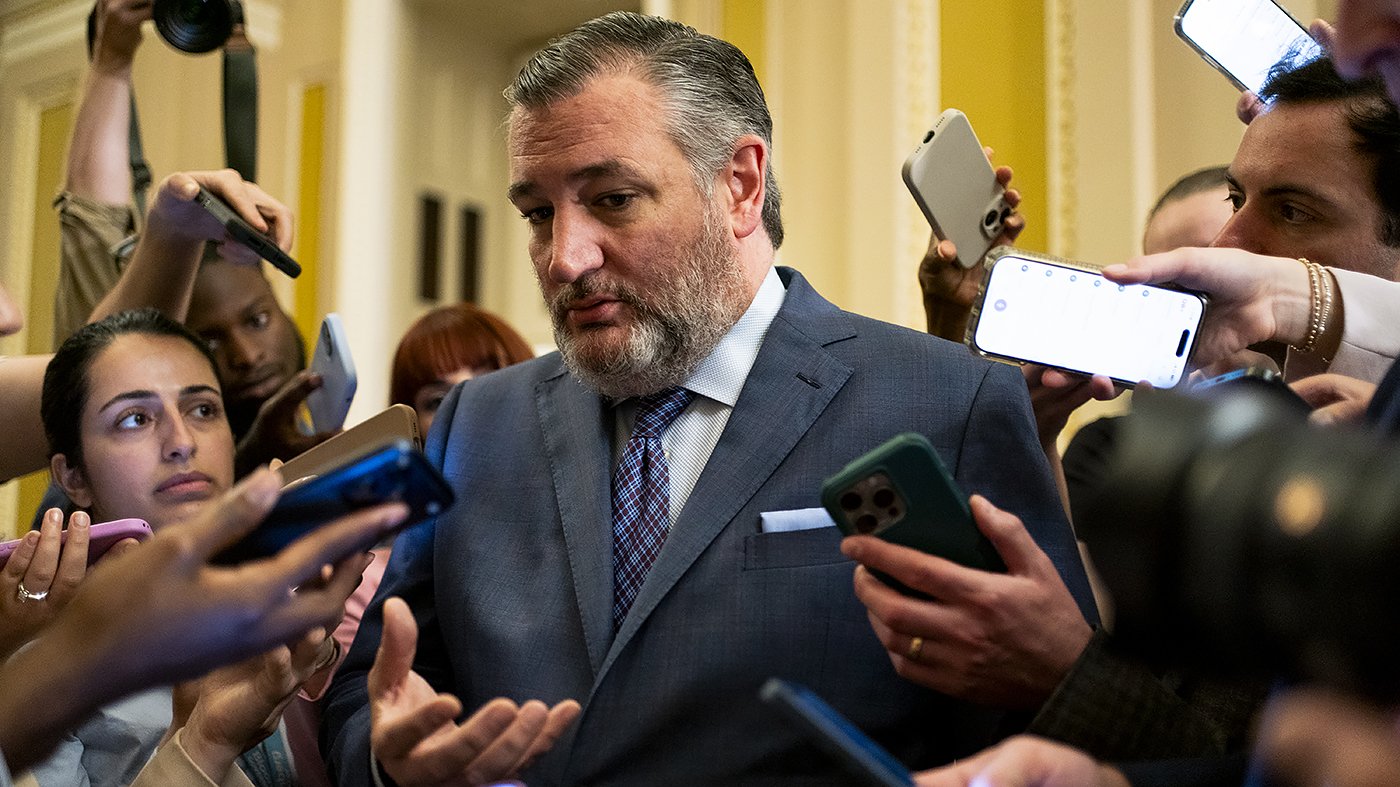
A bipartisan push in the Senate is gaining momentum to fundamentally reshape the landscape of college athletics, with lawmakers signaling they are nearing a deal on sweeping legislation. The "Protect College Sports" Act, introduced last week by Sens. Ted Cruz (R-Texas) and Maria Cantwell (D-Wash.), seeks to impose a federal framework on the NCAA's member institutions, addressing the chaotic free-for-all in recruiting and compensation.
The bill targets key pain points: the transfer portal, revenue sharing, and the booming market for name, image, and likeness (NIL) deals that have turned college sports into a high-stakes bidding war. It would also ban mid-season poaching of coaches—a provision informally dubbed the "Lane Kiffin rule" after the Ole Miss coach who jumped to LSU last season, citing NIL disparities.
At a hearing before the Senate Commerce, Science and Transportation Committee, Cruz argued that without congressional intervention, the wealthiest programs would further dominate. "If we do nothing, the current trajectory will concentrate more power in fewer hands and widen the gap between the richest programs and everyone else," he testified.
The legislation received a major boost from retired Alabama coach Nick Saban, who endorsed the effort during Wednesday's hearing. "Congress does not need to micromanage college athletics. We want an education-based model that protects athletes," Saban said. "This is a serious effort to bring order to a system that badly needs fixing."
The NCAA, which has spent millions lobbying for limited antitrust immunity, supports the bill. The organization has argued that recent court rulings have crippled its ability to enforce rules on NIL spending and transfers.
But the bill faces headwinds. The SEC and Big Ten, two powerhouse conferences, issued a joint statement saying the measure "does not meaningfully preempt the patchwork of state laws or provide the protections needed to make and enforce consistent rules." Some Senate Democrats have also expressed reservations.
The Senate effort follows the collapse of a similar House bill, the SCORE Act, which died after the Congressional Black Caucus withdrew support over concerns about gerrymandering in southern states. The CBC reiterated its concerns ahead of Wednesday's hearing, citing "questions of accountability, athlete protections, institutional authority, and the broader impact."
Supporters argue only Congress can halt an "arms race" that is gutting non-revenue sports. Notre Dame athletic director Pete Bevacqua proposed a cap on NIL spending tied to reinvestment in women's and Olympic sports. Gordon Gee, a former university president backing the bill, summed it up bluntly: "We have a revenue problem—either we grow the pie or we destroy everything that we're about."
The bill also allows conferences to pool media rights, a model used by the NFL, and comes as federal regulators at the FCC consider updating the Sports Broadcasting Act of 1961 for the streaming era. Cantwell emphasized that every football and basketball game would remain free in local markets, resisting paywall pressure.
For more on the broader push to grant the NCAA antitrust protection, see our coverage of the bipartisan bill offering the NCAA antitrust shield. And for background on Saban's role in the debate, read Saban's testimony as the Senate weighs NCAA antitrust exemption.