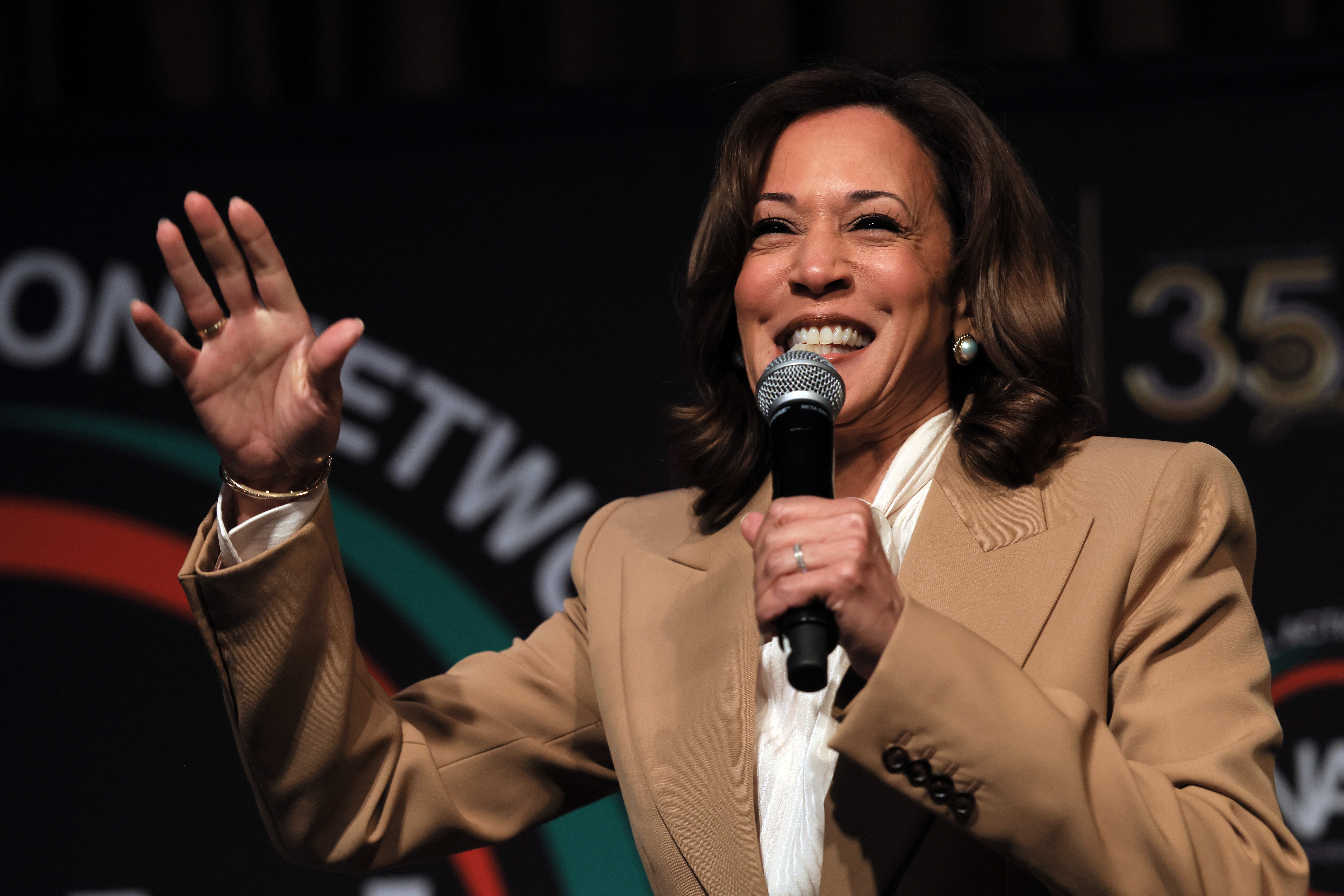
A recent YouGov survey reveals Vice President Kamala Harris as the frontrunner for the 2028 Democratic presidential nomination, holding a 12-point advantage over California Governor Gavin Newsom in a hypothetical primary matchup. The findings have drawn skepticism from some Republican strategists, but political analysts caution that dismissing Harris's potential comeback represents a dangerous miscalculation.
The Unpredictable Nature of Modern Politics
Political fortunes can shift dramatically in normal circumstances, but the current era—defined by the influence of Donald Trump and the velocity of social media—has amplified this volatility to unprecedented levels. What appears certain today can evaporate tomorrow, as historical precedent demonstrates.

The 2004 Democratic primary serves as a stark example. Former Vermont Governor Howard Dean entered the Iowa caucuses with substantial momentum, particularly among young, progressive voters opposed to the Iraq War. Massachusetts Senator John Kerry was widely considered an afterthought. Yet after Dean underperformed in Iowa and his infamous "scream" became a media fixation, his campaign collapsed overnight. Kerry captured the nomination and nearly unseated President George W. Bush, losing only after a protracted battle in Ohio.
The 2028 Landscape Without Trump
While President Trump defeated Harris decisively in both the popular vote and Electoral College in 2024, he will not be on the ballot in 2028. Trump's political appeal represents a unique phenomenon—a generational lightning strike that cannot be easily replicated. A significant portion of his MAGA base turned out specifically for him; many may abstain in his absence. This potential drop-off in Republican turnout could prove decisive in close contests.
Recent elections have been decided by razor-thin margins: fewer than 100,000 votes across key states in 2016, and less than 50,000 in 2020. Presidential elections are won by flipping fractions of a percent in a handful of counties. Trump's continued dismissal of unfavorable data exemplifies a broader tendency within the party to ignore warning signs.
Warning Signs for Republicans
Republican strategists privately express concern about eroding support among young voters, minorities, independents, and centrist Democrats—coalitions that provided Trump's 2024 victory margin. These demographic shifts, if not addressed, could return these critical voting blocs to Democratic allegiance.
Several indicators suggest growing headwinds. Special election losses, Democratic gains in traditionally competitive states like Virginia under Governor Abigail Spanberger, and even international setbacks for allied figures like Hungary's Viktor Orbán should serve as cautionary tales. Internal Republican frustrations over legislative stalemates further highlight the party's challenges in governing effectively.
Instead of mocking Harris's prospects, Republicans would be better served examining their own polling weaknesses. The coalition that delivered Trump's victories may not transfer to another candidate. Americans have a history of embracing political second acts, and Harris—with the inherent advantages of incumbency and national recognition—remains positioned to capitalize should she run again.
The lesson is clear: in an era defined by political turbulence, underestimating any potential opponent is a strategic error. As the party grapples with its post-Trump identity, internal fractures over investigative priorities and policy direction could further complicate efforts to build a cohesive 2028 campaign. Republicans who dismiss Harris today may find themselves unprepared for the candidate she becomes tomorrow.