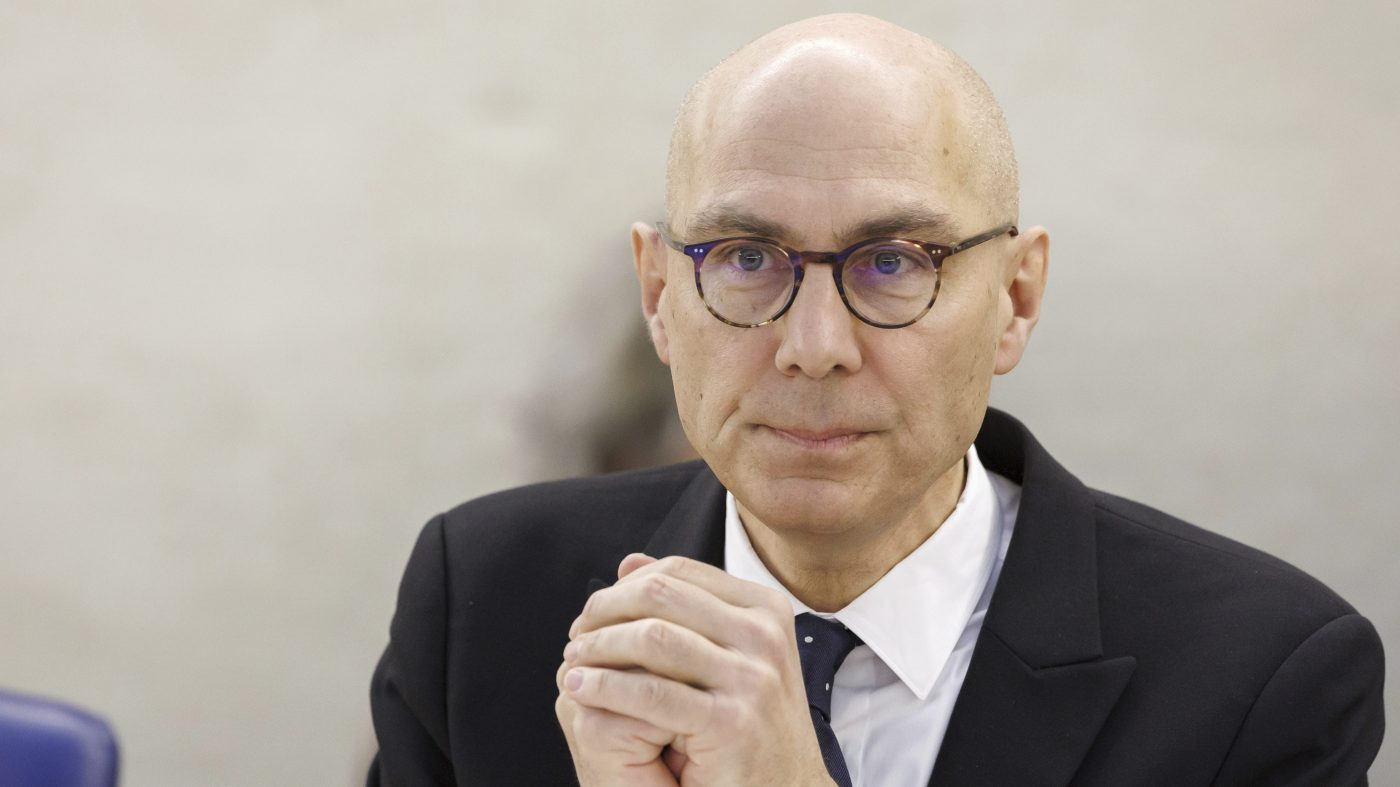
The United Nations High Commissioner for Human Rights, Volker Türk, revealed on Wednesday that Iranian authorities have executed at least 21 individuals since the onset of U.S. and Israeli military strikes against the country. The announcement underscores a sharp escalation in Tehran's crackdown on dissent during wartime.
According to a press release from Türk's office, nine of those executed were linked to anti-government protests that erupted in January. Another ten were put to death for alleged membership in opposition groups, while two faced execution on espionage charges. The executions began after the conflict started on February 28.
“I am appalled that — on top of the already severe impacts of the conflict — the rights of the Iranian people continue to be stripped from them by the authorities, in harsh and brutal ways,” Türk stated. He emphasized that even under national security pretexts, human rights limitations must be strictly necessary and proportionate, with core protections like fair trials remaining non-negotiable.
The UN office documented that Iranian forces have arrested over 4,000 individuals on national security-related charges since the war began. Many detainees have faced forced disappearances, torture, and degrading treatment, including coerced confessions and mock executions, some of which were televised. Ethnic and religious minorities — including Baháʼís, Zoroastrians, Kurds, and Baluch Iranians — have been at particular risk during the crackdown.
“I call on the authorities to halt all further executions, establish a moratorium on the use of capital punishment, fully ensure due process and fair trial guarantees, and immediately release those arbitrarily detained,” Türk urged.
The January protests, which drew an unprecedented response from Iranian security forces, saw the government cut internet access and use unlawful force, according to Amnesty International. The U.S.-based Human Rights Activists News Agency (HRANA) reported that nearly 6,500 protesters, including 236 children, were killed in the first 50 days of demonstrations, alongside 76 non-protesting civilians and 207 military personnel.
On the military front, HRANA reported that over 1,700 civilians in Iran — including at least 254 children — have been killed since the U.S.-Israeli strikes began. A pause in hostilities was agreed upon between President Trump and Iranian officials on April 7, but negotiations over Tehran's nuclear program have largely stalled.
Early Wednesday, President Trump issued a warning to Iran on his Truth Social platform, posting an AI-generated image of himself with a machine gun and the caption: “No More Mr. Nice Guy!” The move signals continued tensions even as diplomatic channels remain open. In a related development, Trump recently axed mediation efforts between Iran and Pakistan, citing internal Iranian infighting.
The UN's call for a halt to executions comes amid broader concerns over human rights abuses in Iran, including the use of geofence warrants that the Supreme Court is set to review for Fourth Amendment implications. Meanwhile, the White House faces its own scrutiny over security lapses, as FBI Chief Patel vows to overhaul security at the WHCA dinner after a recent shooting incident.