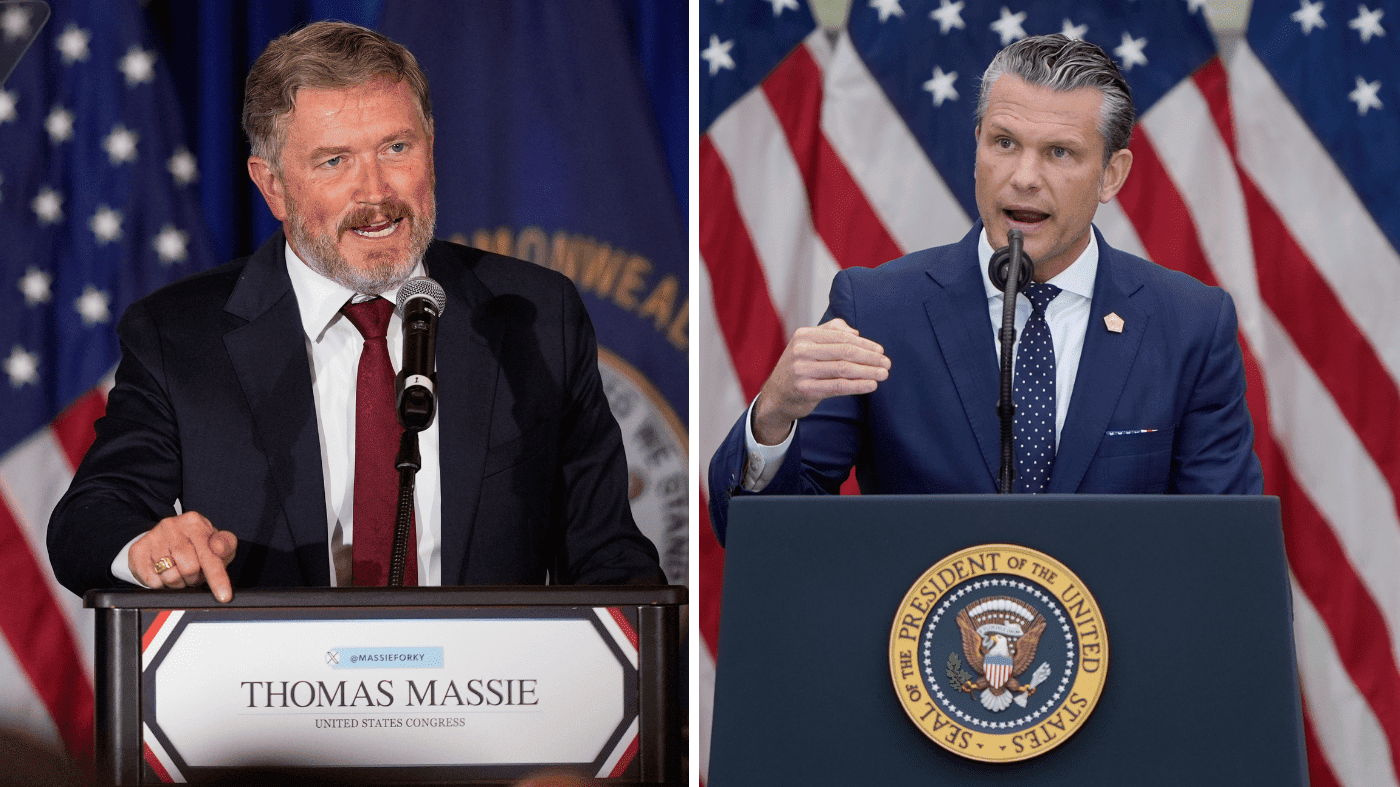
The Senate Armed Services Committee is launching a coordinated messaging push to sell the Trump administration's massive defense budget hike as a jobs and economic stimulus package, just days before Defense Secretary Pete Hegseth faces lawmakers on Capitol Hill.
Republican leaders on the panel are arguing that the proposed 42 percent increase in Pentagon funding—totaling $1.5 trillion—will revitalize American manufacturing, boost tech sector employment, and inject cash into local economies. The strategy is designed to counter criticism from fiscal conservatives and non-interventionists who question the scale of U.S. military spending.
Wicker Leads the Charge
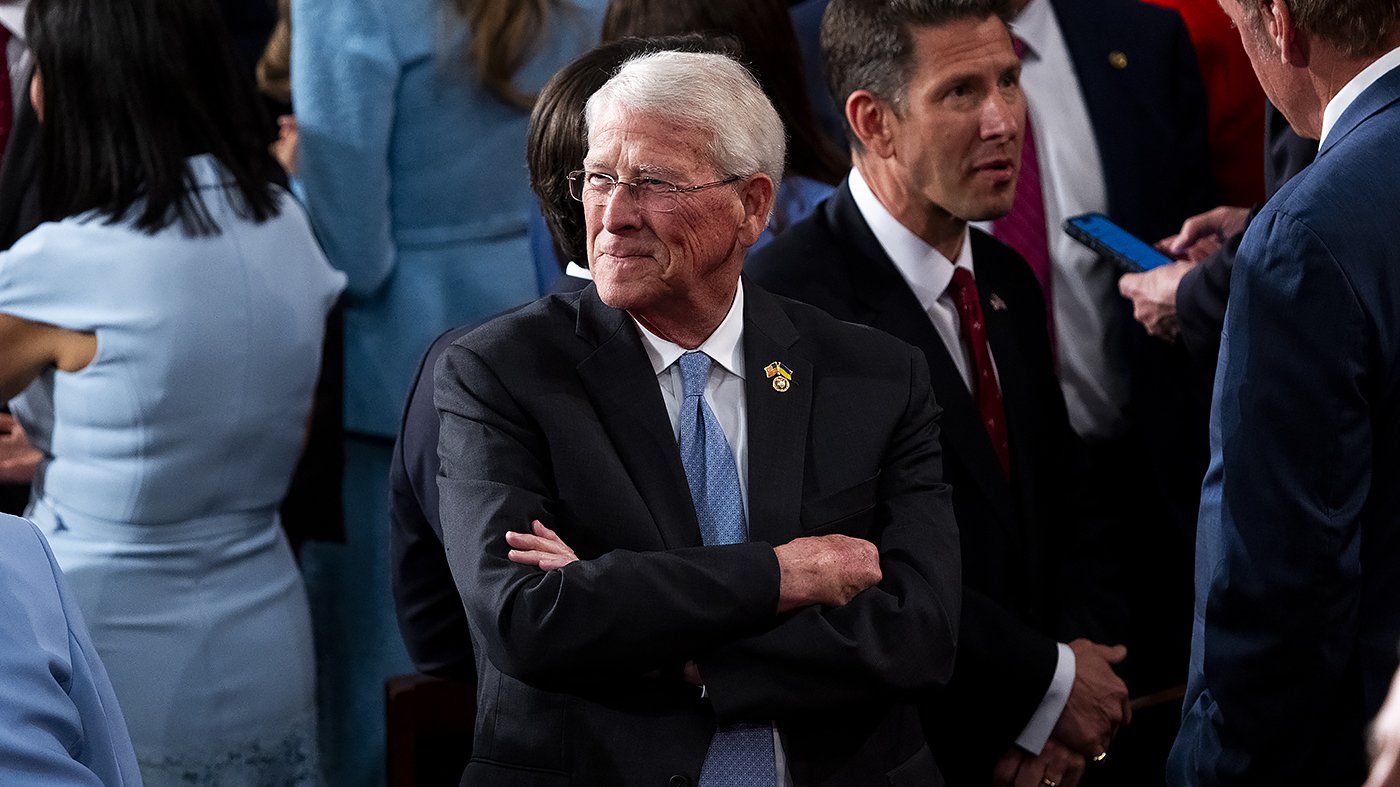
Senator Roger Wicker, the Mississippi Republican who chairs the committee, framed the spending as a modern-day industrial revival. “Like the generations that came before us, we are now revitalizing manufacturing right here at home to rebuild the American arsenal,” Wicker said in a statement. “By reindustrializing and investing in new technology, we are creating jobs across our homeland.”
The committee has launched a website called “American Arsenal” to spotlight job creation linked to defense contracts. The site highlights facilities in states including Alabama, Arkansas, Florida, Indiana, Iowa, Mississippi, Missouri, Montana, Nebraska, North Carolina, North Dakota, and South Dakota.
In March, defense startup Hadrian opened a submarine plant in northwest Alabama, a project expected to create roughly 1,000 manufacturing jobs. Wicker attended the ceremony alongside Alabama GOP Senators Katie Britt and Tommy Tuberville.
Breaking Down the $1.5 Trillion Request
The administration's proposal includes $1.15 trillion for the base defense budget in the upcoming National Defense Authorization Act, with an additional $350 billion to be pushed through the budget reconciliation process. A centerpiece of the request is $750 billion for the Golden Dome missile defense system, a priority for President Trump. Other major allocations include $102 billion for aircraft procurement and R&D, nearly $75 billion for drones and counter-drone systems, and approximately $65 billion to build 18 Navy warships and 16 support vessels—part of Trump's “Golden Fleet” initiative.
The Pentagon also wants to buy 85 F-35 fighter jets annually and fund next-generation platforms like the B-21 bomber and F-47 fighter. Acting Pentagon Comptroller Jules 'Jay' Hurst described the budget as “the largest investment in military capabilities in over a generation,” adding that it emphasizes “Golden Dome, drone dominance, and space superiority, including nearly doubling the Space Force budget and tripling spending on drone and counter-drone capabilities.”
Hegseth's Dual Hearings
Hegseth will defend the spending plan in back-to-back hearings this week, first before the House Armed Services Committee on Wednesday and then before SASC on Thursday. He will be joined by Joint Chiefs Chair General Dan Caine at both sessions.
Matt Cronin, senior national security advisor at venture capital firm Andreessen Horowitz, voiced support for the industrial strategy. “The next arsenal of democracy won't be built on legacy systems. It will be built on software-defined manufacturing, rapid iteration, and the ability to scale production at a pace that matches the speed of modern conflict,” Cronin said. “That's what reindustrializing America actually looks like today, and it means good jobs across the country.”
The push for increased defense outlays comes amid broader debates over federal spending priorities. Critics note that the Pentagon's budget surge contrasts with cuts in other areas, such as the recent loss of over 1,000 TSA officers during a DHS shutdown that strained airport security. Meanwhile, some lawmakers are questioning whether the U.S. can sustain such high defense spending while also addressing domestic needs like health care reform, where advocates are urging Congress to redirect health dollars to patients ahead of 2026 reforms.
As the hearings approach, the SASC Republicans' economic argument is likely to face scrutiny from both fiscal hawks and those concerned about the U.S. military's global posture, particularly as European NATO spending surges even as the U.S. considers cutting its own defense budget.