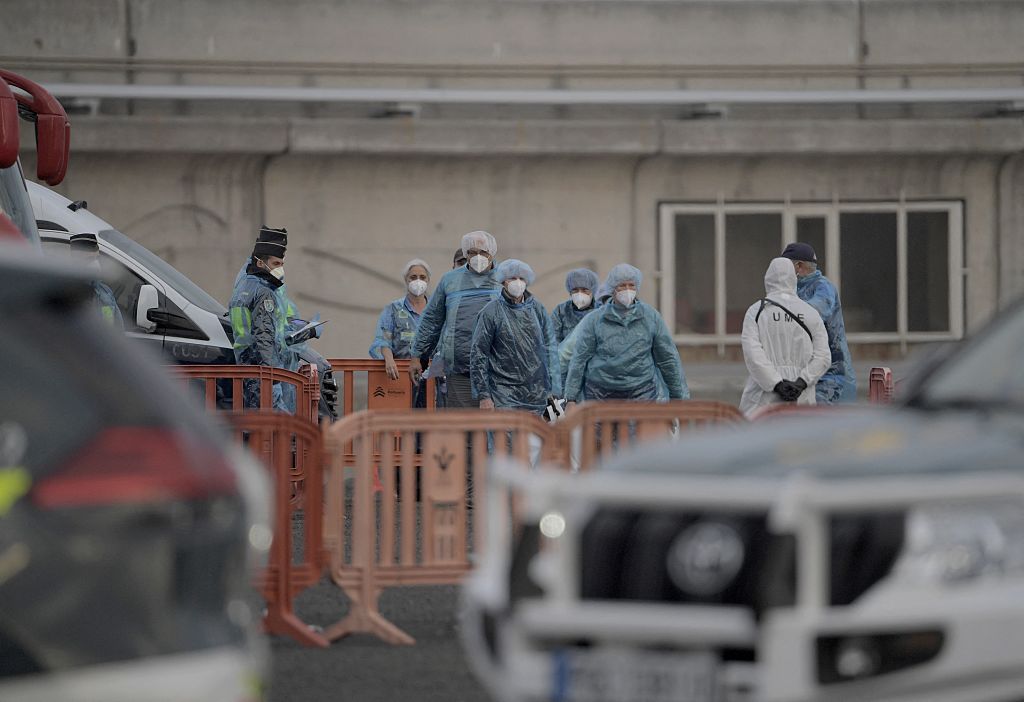
Health officials across multiple states are now monitoring residents for potential hantavirus exposure following the evacuation of 17 Americans from the MV Hondius cruise ship. The passengers were repatriated to the United States earlier this week after possible contact with the rare and sometimes deadly virus.
The Centers for Disease Control and Prevention has confirmed that at least one state has residents in quarantine, while others are tracking individuals who may have been exposed. In at least one state, health authorities are dealing with both scenarios simultaneously.

Quarantine and Medical Care
Sixteen of the evacuees are now housed at the National Quarantine Center at the University of Nebraska, the only facility of its kind in the country. Two additional patients, including one who has shown mild symptoms, were transferred to Emory University in Atlanta, Georgia, for specialized care.
The situation has drawn comparisons to past public health responses, but experts emphasize that hantavirus is not easily transmitted between humans. Unlike COVID-19, hantavirus requires direct contact with rodent droppings or urine, making widespread community transmission unlikely.
Political and Public Health Implications
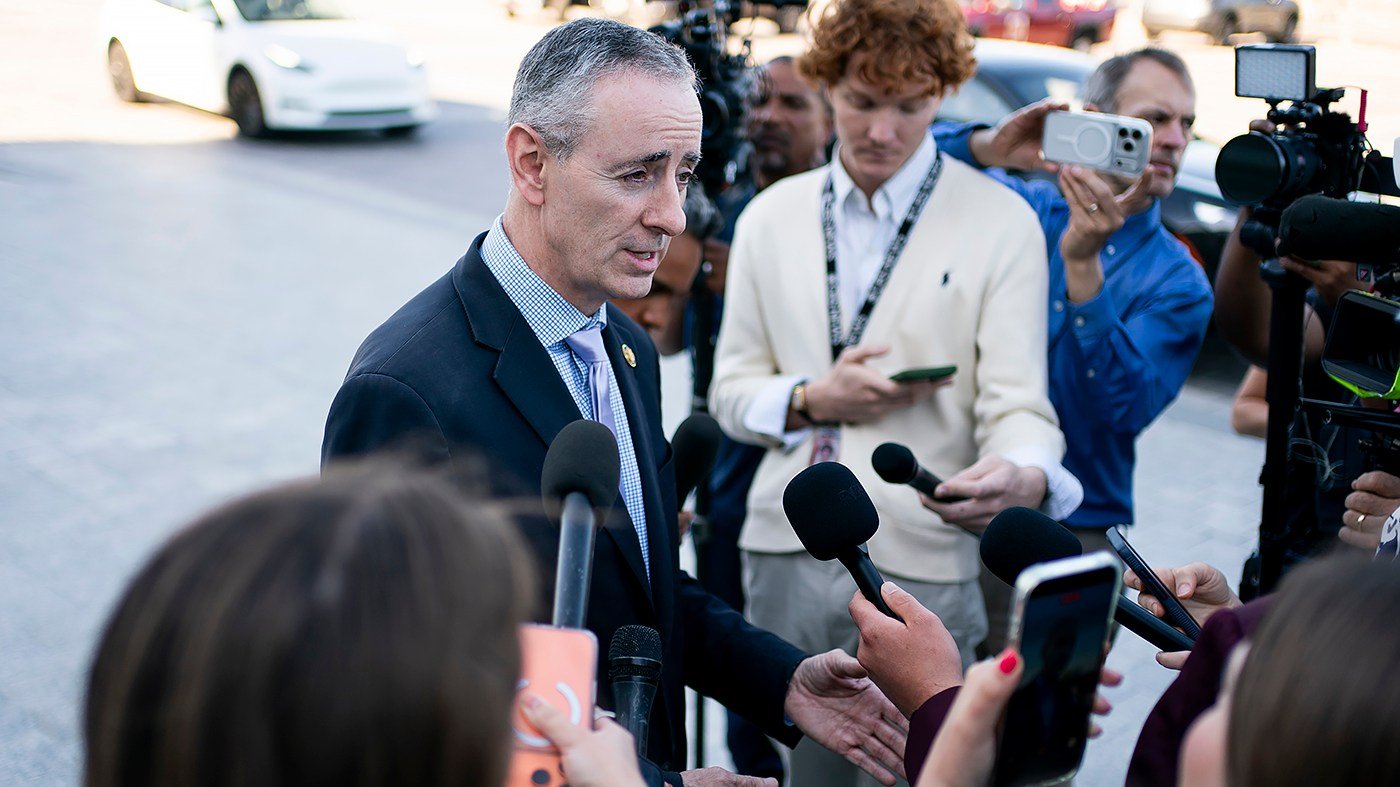
The outbreak has sparked political debate, with some officials questioning the federal government's preparedness. The Trump administration's approach has drawn criticism from public health experts who argue that more robust surveillance systems are needed to prevent future outbreaks.
Meanwhile, the World Health Organization has issued statements urging countries to remain vigilant. A former critic of the WHO has shifted their stance, now calling for continued cooperation with the agency to manage the threat.
Risk Assessment and Public Guidance
Health officials stress that the risk to the general public remains low. Hantavirus pulmonary syndrome, the most severe form of the disease, has a mortality rate of about 38%, but it is not airborne. The virus is primarily spread through contact with infected rodents, particularly deer mice.
Individuals who work in agriculture, forestry, or live in rural areas with high rodent populations face the highest risk of exposure. The CDC recommends sealing homes to prevent rodent entry and avoiding contact with rodent droppings.
International Context
The MV Hondius, a Dutch-flagged vessel, had been sailing in the Atlantic before the outbreak was detected. Spanish authorities coordinated the repatriation of the American passengers, who were flown directly to Nebraska.
The incident has also intersected with geopolitical tensions. Iran's government has used the outbreak to criticize U.S. foreign policy, though health officials have dismissed any connection between the virus and international affairs.
As states continue to monitor exposed individuals, the focus remains on containment and providing medical care. The National Quarantine Center is equipped to handle such cases, and officials are confident that the outbreak will be contained without wider spread.