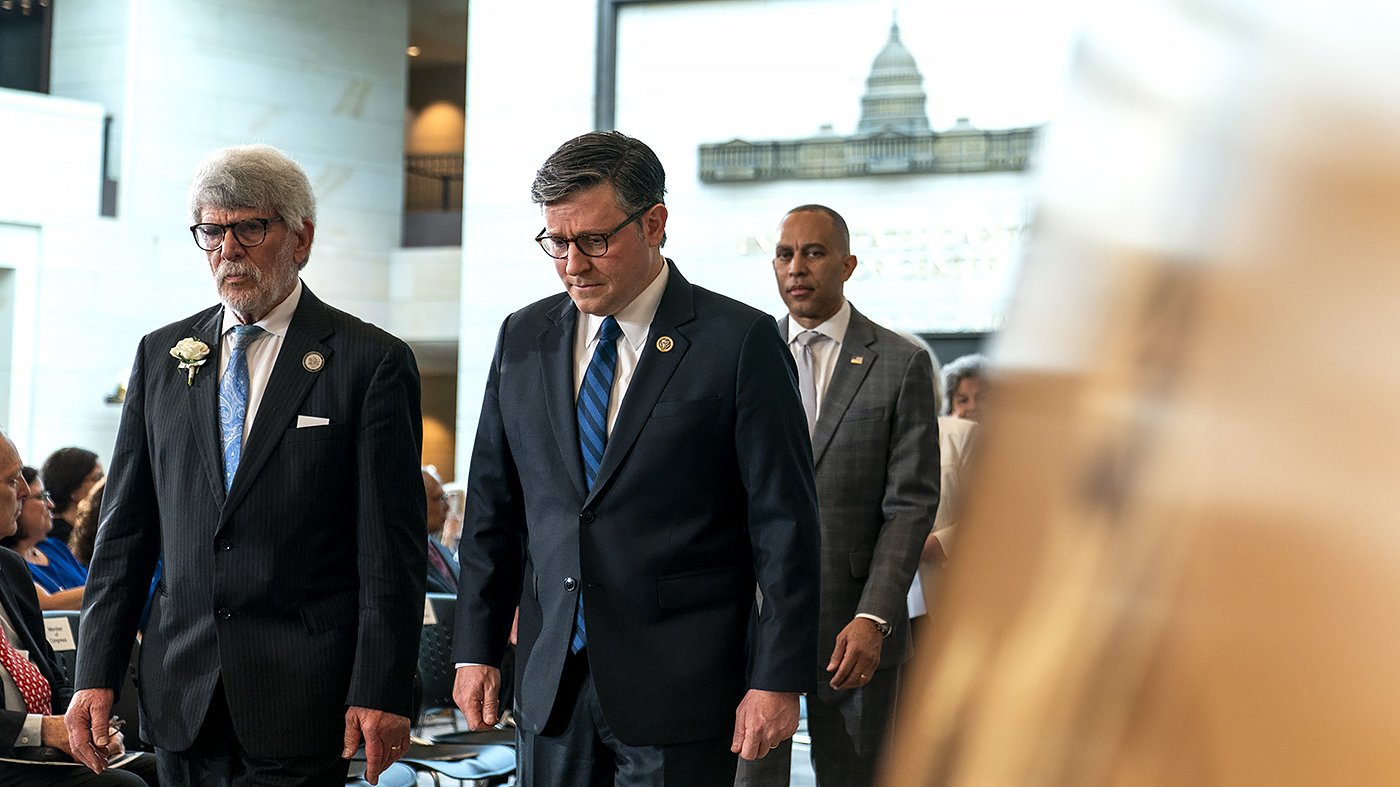
In a rare show of cross-party unity, Speaker Mike Johnson (R-La.) and House Minority Leader Hakeem Jeffries (D-N.Y.) have thrown their weight behind a bipartisan initiative to overhaul how the chamber handles sexual misconduct. The effort, spearheaded by the Republican Women’s Caucus and the Democratic Women’s Caucus, aims to tighten reporting mechanisms and workplace protections amid a fresh wave of allegations that have already forced two lawmakers out of office.
The push comes after former Reps. Eric Swalwell (D-Calif.) and Tony Gonzales (R-Texas) resigned earlier this year following separate misconduct allegations, reigniting scrutiny of Capitol Hill’s culture. While the House updated its rules in 2018 after the #MeToo movement—banning lawmakers from sexual relationships with employees and requiring them to reimburse the Treasury for misconduct settlements—critics argue those changes have not gone far enough.

Bipartisan Women’s Caucuses Take the Lead
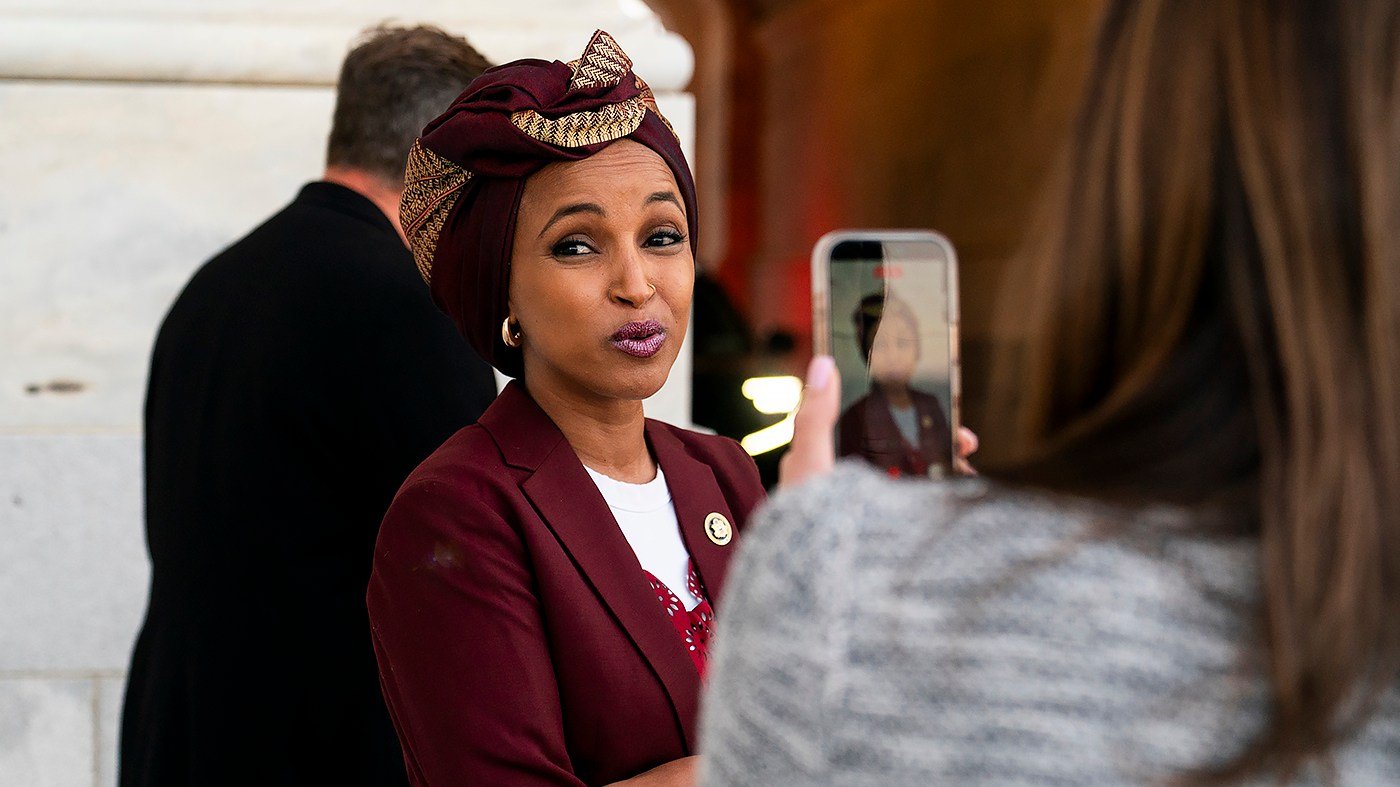
Rep. Kat Cammack (R-Fla.) and Rep. Teresa Leger Fernández (D-N.M.), who chair their respective women’s caucuses, will head the reform effort. “No woman—regardless of party, title, or position—should ever feel unsafe in her workplace. Period,” Cammack said in a statement. She described the initiative as a “hard look at the systems, reporting mechanisms, and workplace culture on Capitol Hill surrounding sexual harassment and assault.”
Leger Fernández emphasized a survivor-centered approach: “Together, we will push for bipartisan changes to make the reporting process faster and more accessible and increase education and training resources, prioritizing staff and survivors at every step.”
The partnership reflects growing frustration with the status quo. Many staffers and advocates have long argued that reporting misconduct remains intimidating and slow, and that training is insufficient. A recent article exploring Congress's NDA culture highlighted how confidentiality agreements have often shielded abusers and silenced victims, a dynamic the new effort aims to address.
Leadership Weight Behind Reform
Johnson framed the issue as personal, noting that his own daughters work on Capitol Hill. “To state the obvious, all women should feel comfortable and safe working in the halls of Congress. As a father who has two daughters working on Capitol Hill—this is as personal to me as it is to anyone,” he said. Jeffries pledged “the complete and unequivocal support of the House Democratic Caucus,” adding that “all women and survivors working on Capitol Hill and in district offices throughout the country must always be treated with dignity and respect.”
The endorsements from both party leaders signal that the reform push has the political muscle to advance, though the specifics of any new rules remain to be negotiated. The effort also dovetails with broader bipartisan trends in Congress, such as widespread public agreement that money dominates politics, and underscores a rare moment of common ground on workplace safety.
What’s Next
The women’s caucuses plan to release a set of proposed changes in the coming months, focusing on faster reporting processes, better training, and stronger protections for staff. Supporters hope the reforms will restore trust in the chamber’s ability to police itself. “We support an ironclad policy so we can bring about a safe, professional atmosphere for all Congressional staff members,” Jeffries said. With the 2024 election cycle looming, lawmakers are eager to show they can act on a issue that resonates with voters across party lines.