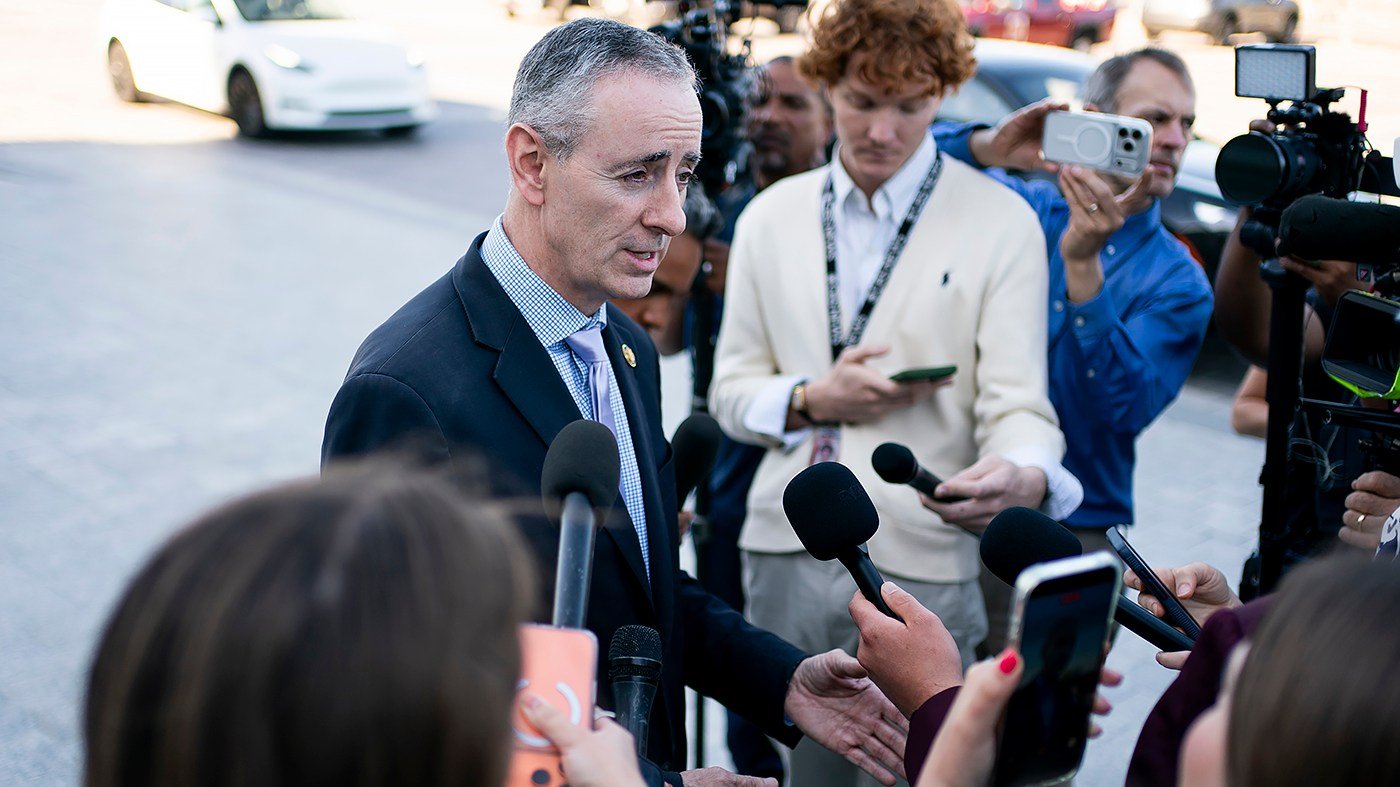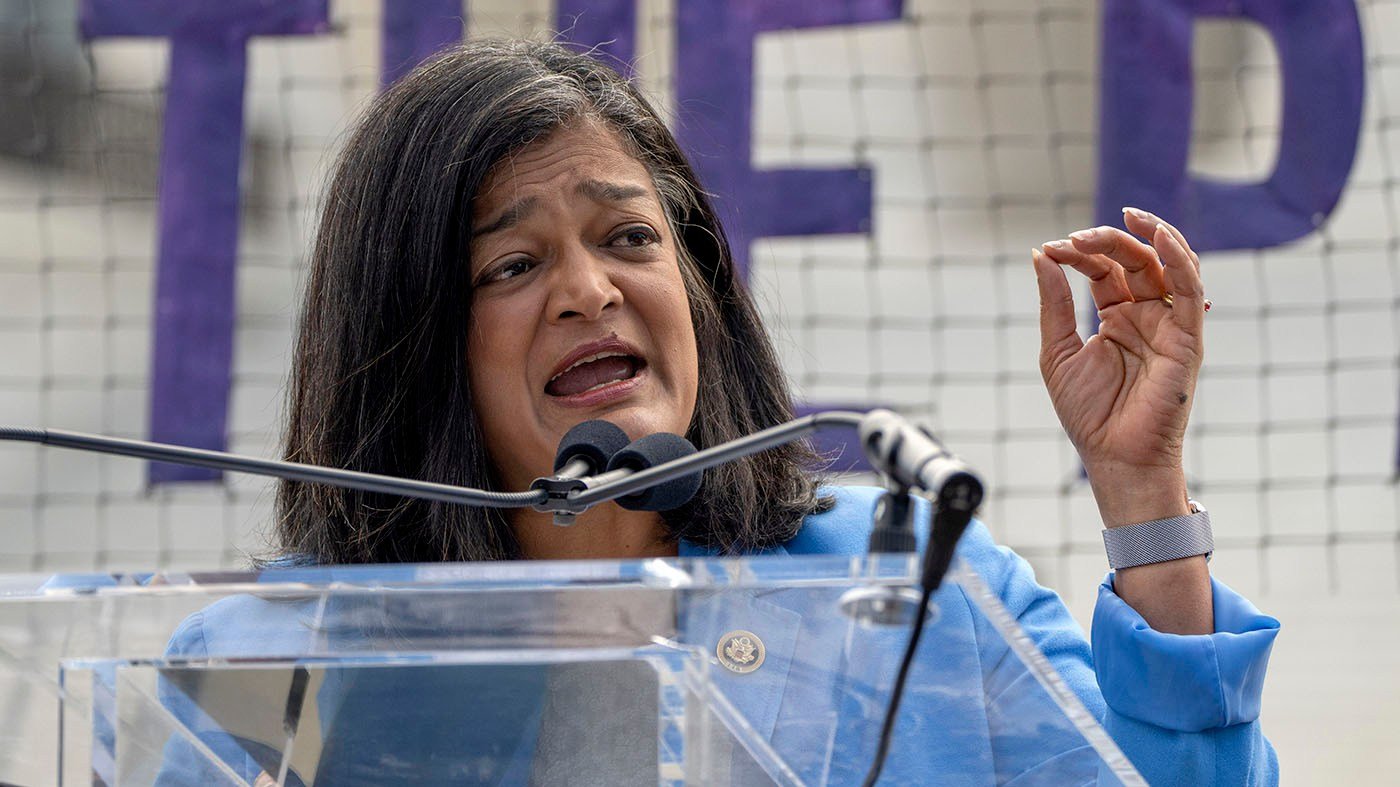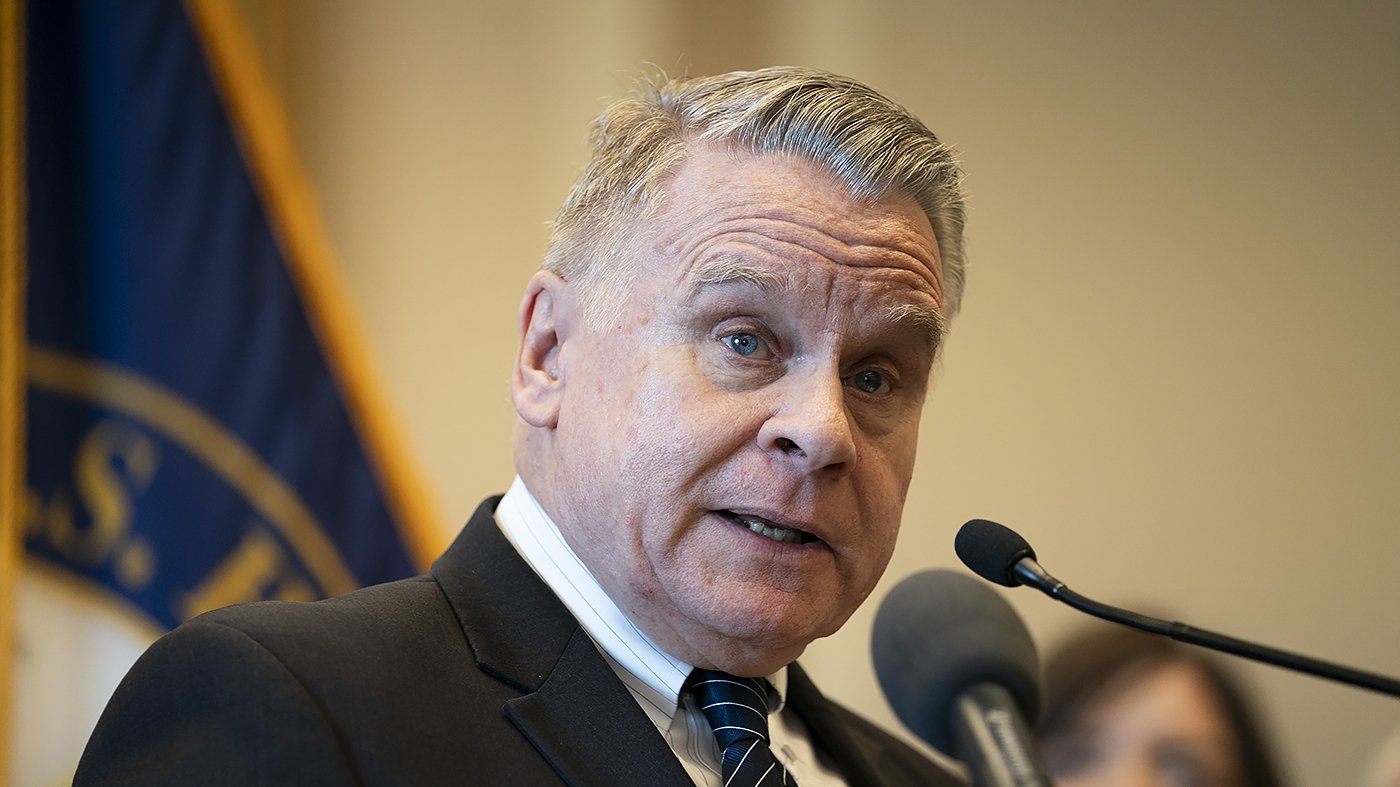
The House of Representatives voted unanimously Wednesday to press President Trump to make the release of five individuals detained by China a top priority in his talks with Chinese President Xi Jinping. The resolution, introduced by Rep. Chris Smith (R-N.J.), passed 414-0, signaling rare bipartisan unity on human rights concerns tied to Beijing's crackdowns.
The measure specifically calls on Trump to secure the freedom of Pastor Jin Mingri, Pastor Gao Quanfu and his wife Pang Yu, Dr. Gulshan Abbas, and Hong Kong democracy advocate Jimmy Lai during his high-stakes meeting with Xi. Trump arrived in China on Wednesday for his first state visit since 2017, a trip that carries significant diplomatic weight amid escalating tensions over trade, technology, and human rights.
The resolution demands that Trump seek verifiable proof of life for the detainees, as well as access to independent legal counsel, family communication, and medical care. It frames the issue as a test of American leadership and credibility on the world stage.
Smith argued on the House floor earlier this month that this is not a partisan matter. “It is a matter of American leadership, American credibility, and American security,” he said. “When the CCP threatens families in the United States to silence advocacy here at home, that is not just repression over there—it is intimidation aimed at us.”
The U.S. Commission on International Religious Freedom reports that Jin was detained in October 2023 for his Christian activities as pastor of Zion Church. Gao, pastor of Light of Zion Church, faces accusations from Chinese authorities of “using superstition to undermine law enforcement,” while his wife Pang is charged with fraud linked to voluntary church tithes.
Abbas, a doctor, has been held since 2018. Her daughter Ziba Murat and her aunt Rushan Abbas have long asserted that the detention is retaliation for Rushan’s activism against China’s treatment of Uyghurs, including allegations of mass incarceration and forced labor. The case has drawn scrutiny from human rights groups and lawmakers alike.
Jimmy Lai, a prominent Hong Kong business magnate and democracy advocate, was sentenced to 20 years in prison by Chinese authorities in February. His case has become a flashpoint in the broader debate over Beijing’s erosion of Hong Kong’s autonomy.
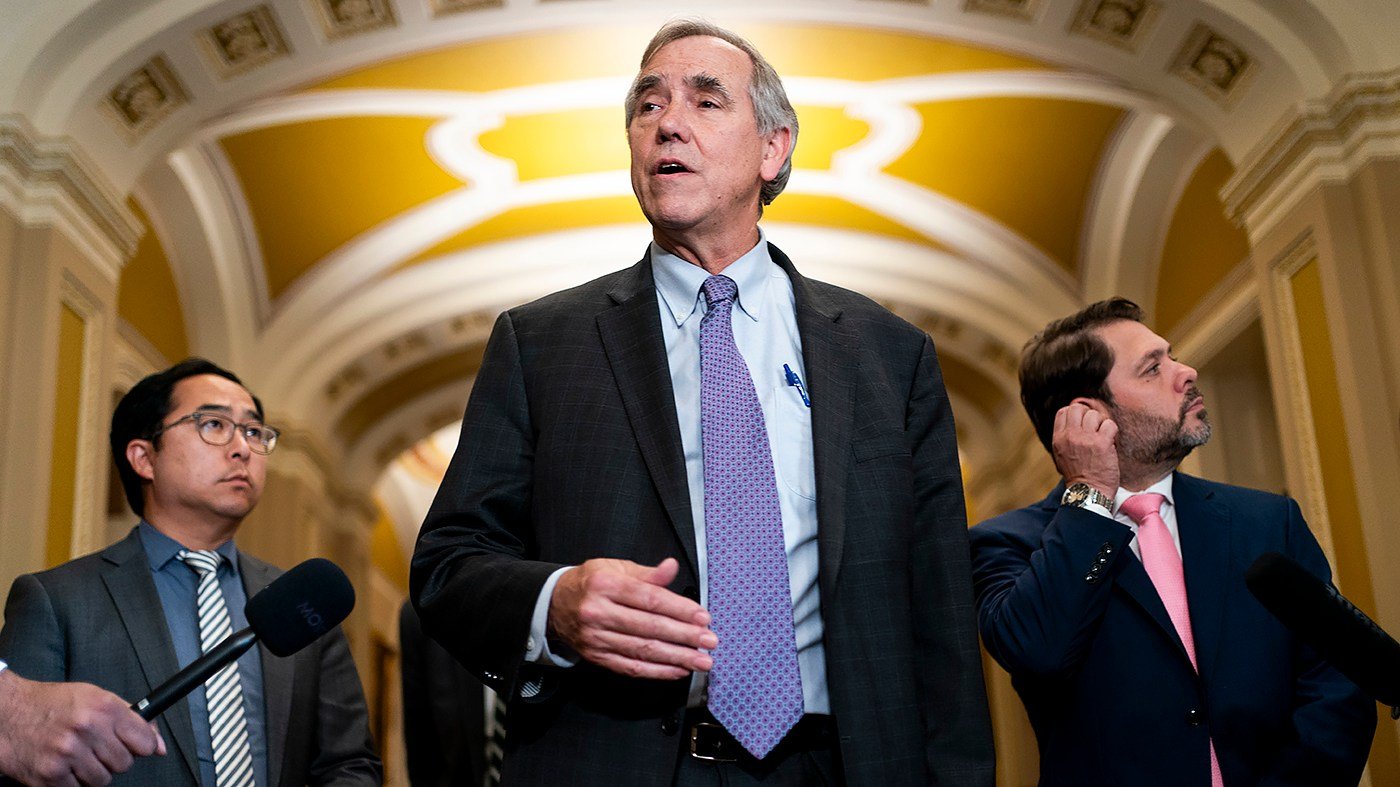
The resolution comes amid broader congressional efforts to recalibrate U.S.-China policy. In a related development, a bipartisan Senate coalition recently warned Trump against unilateral shifts in Taiwan policy, underscoring the delicate balance lawmakers seek on China. Meanwhile, Trump’s domestic agenda—including a push to deploy ICE agents at World Cup matches—continues to draw attention away from foreign policy, but the unanimous House vote signals that detainee issues remain a priority for both parties.
Smith’s resolution also echoes concerns raised by the administration’s own human rights reports, which have documented religious persecution and political repression in China. The vote places additional pressure on Trump to deliver concrete results from his meeting with Xi, particularly on cases that have become symbols of Beijing’s crackdown on dissent.
With the House’s clear mandate, the ball is now in Trump’s court. Whether he will leverage the full weight of his administration to secure the detainees’ release remains an open question, but the resolution leaves no doubt that Congress expects action.