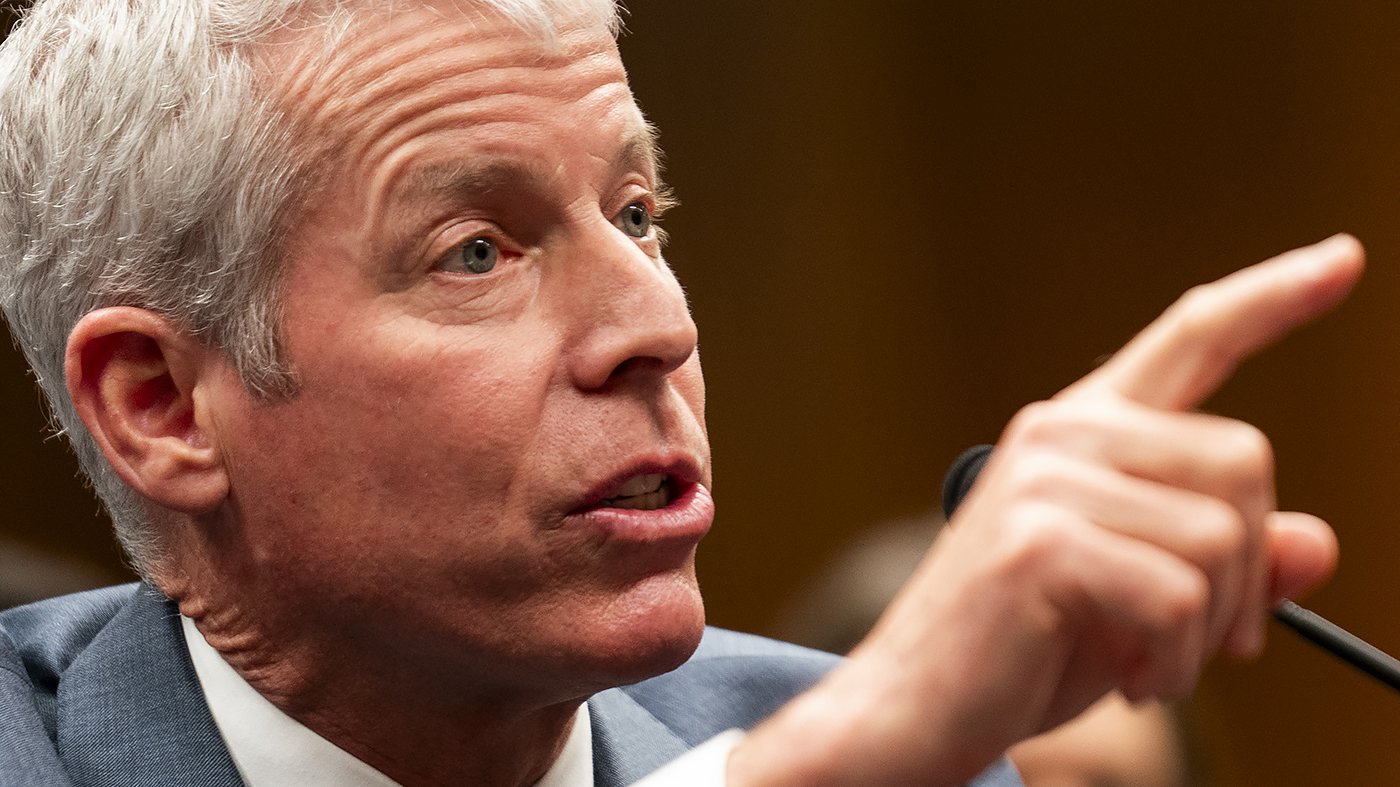
Energy Secretary Chris Wright said Friday that the Strait of Hormuz, blockaded by Iran during its ceasefire with the United States, is expected to reopen by summer 2025. Speaking at a new liquefied natural gas facility in Cameron, Louisiana, Wright told CNBC's Brian Sullivan that the waterway should be back in operation by the end of the season.
“Traffic will be flowing through the Straits of Hormuz as soon as we can, but certainly sometime this summer at the latest,” Wright said. He suggested a deal could be reached within days. The secretary noted that the U.S. is ramping up natural gas exports, adding 2.5 billion cubic feet per day of export capacity despite losing 10 bcf per day due to the blockade.
Wright warned that if Iran continues to hold the global economy hostage, the U.S. military would force the strait open. “We've done the early steps on that, but what's better is to get a deal and not have to use military force,” he said. The administration has been exploring diplomatic avenues, including pressing China to mediate, as reported in Rubio Presses China to Mediate Iran Conflict as Strait Crisis Deepens.
Leadership Uncertainty in Iran
When asked about who is in charge in Tehran, Wright acknowledged confusion amid reports that Supreme Leader Mojtaba Khamenei may be incapacitated or dead. “We don't know for sure, so yes there is confusion, there is fraction among the regime,” he said. “All of this could ultimately lead to change in regime in Iran, which would be just enormously beneficial for the region, for the United States and, of course, for the 90 million-plus Iranians.”
The secretary’s comments come as the U.S. and China align against militarization of the strait, as detailed in Rubio: US and China Align Against Militarization of Strait of Hormuz.
Gas Prices and Economic Leverage
Wright previously avoided predicting oil and gasoline prices during the negotiating period. He told NBC News' Kristen Welker that the U.S. is using economic leverage against Iran, which is clinging to its nuclear program. “Obviously this part of the conflict has gone a little longer,” he said.
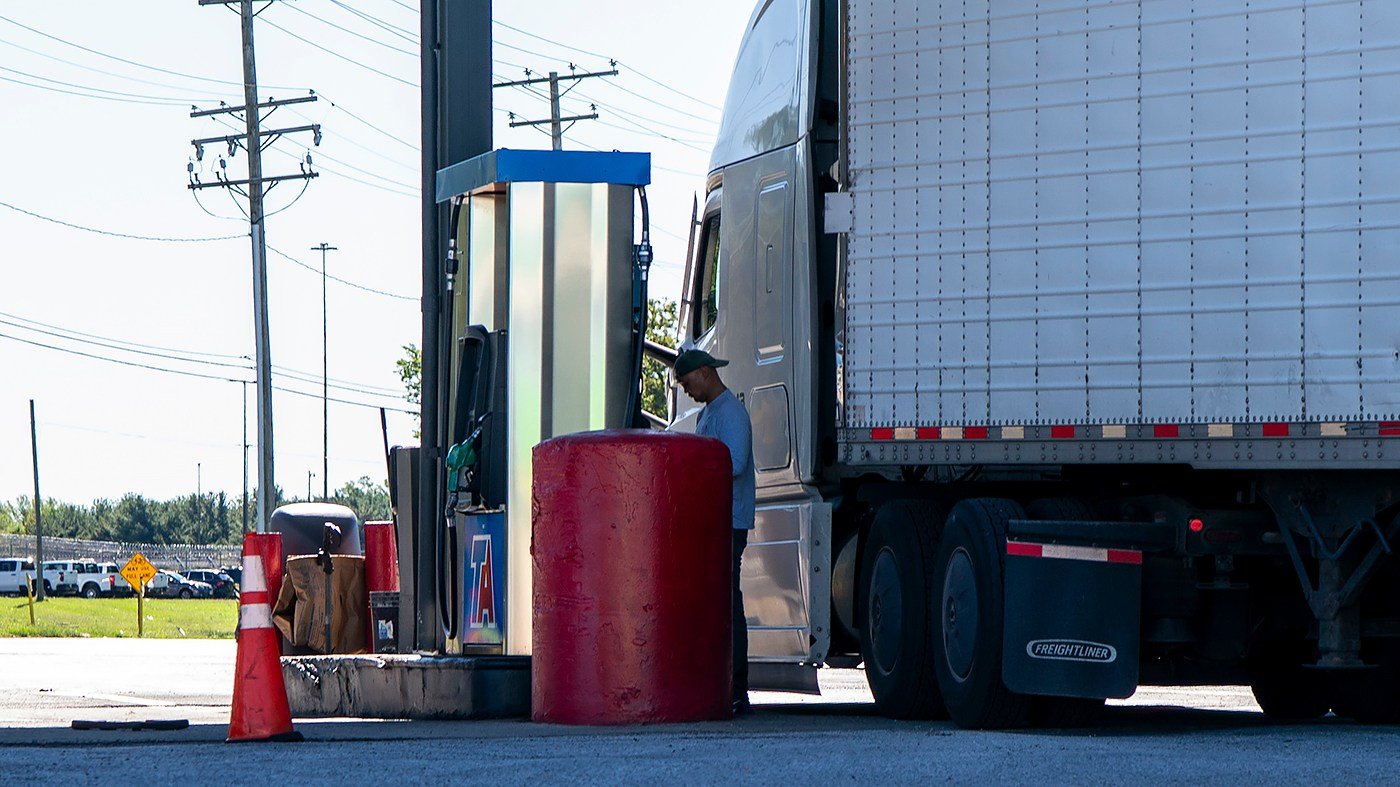
In March, Wright was optimistic that gas prices would drop below $3 by summer, but the national average stood at nearly $3.60 at the time. By April, he suggested prices might not fall below $3 until 2027, a claim President Trump called “totally wrong.” On Friday, AAA reported the national average at $4.53.
Trump proposed a moratorium on the 18.4-cent federal gas tax to provide relief, but House Democrats warned it could undermine the Highway Trust Fund and infrastructure projects without guaranteeing savings for consumers. Lawmakers argue ending the conflict is the best way to address rising prices.
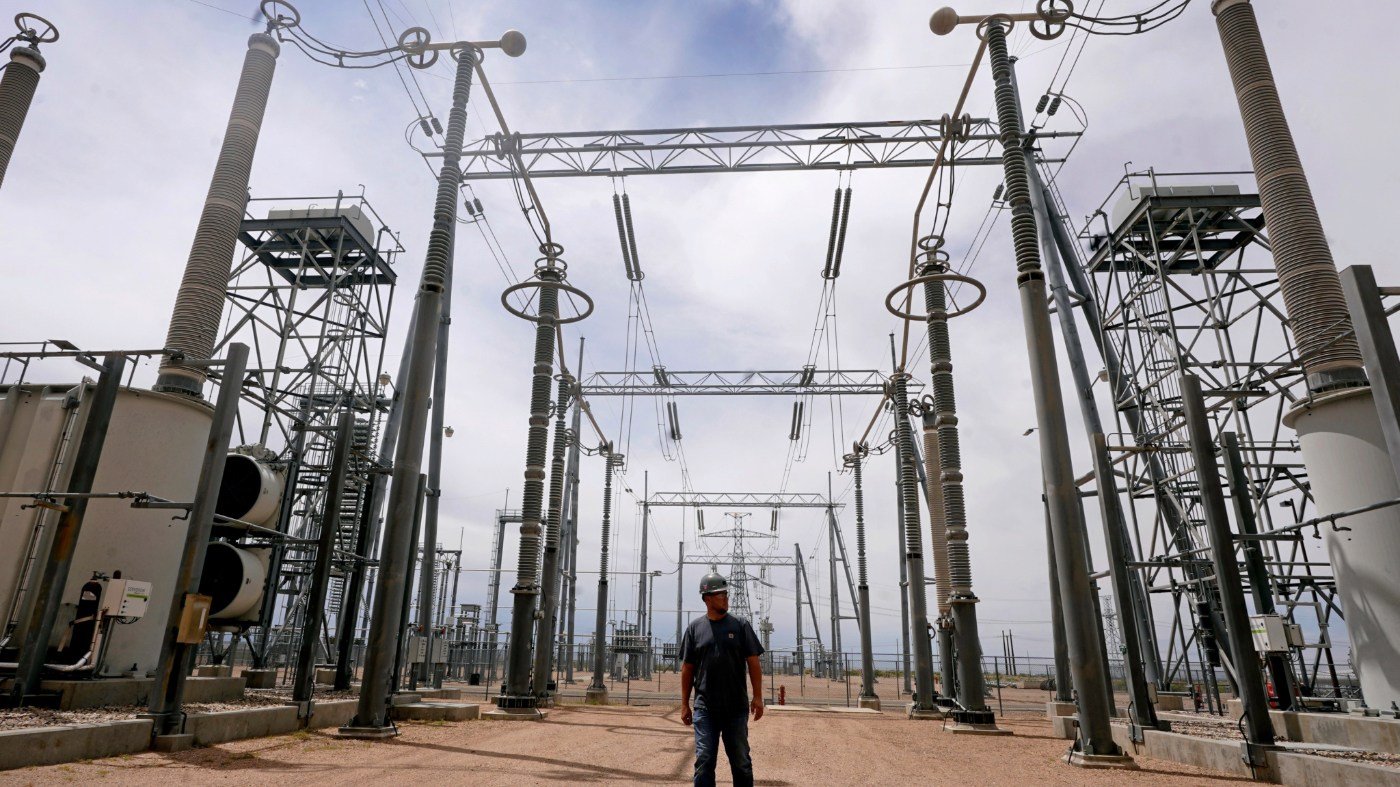
Wright’s prediction comes amid broader U.S. energy policy shifts, including a nuclear revival that is leading the U.S. energy surge as green policies falter. The administration continues to ramp up domestic production to offset disruptions from the Strait of Hormuz closure.