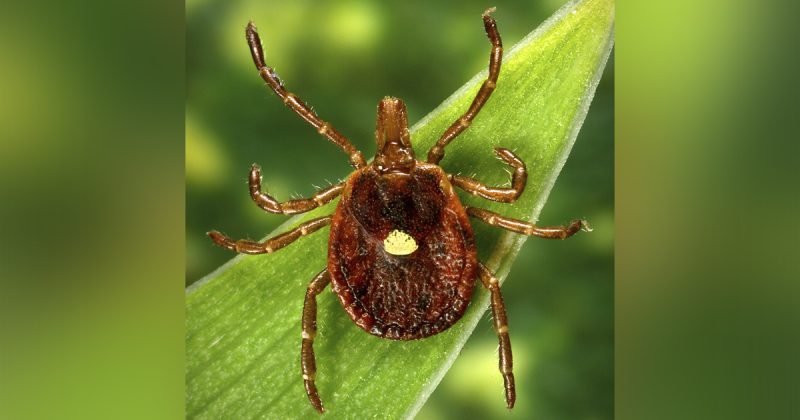
The lone star tick, a species notorious for causing a potentially severe allergy to red meat and dairy, as well as transmitting a rare virus with no known cure, is advancing into new regions across the United States, according to recent data from the Centers for Disease Control and Prevention.
Historically concentrated in the South, the lone star tick has now been documented in over 30 states, a notable expansion from just a few years ago. Officials warn that climate change, shorter winter cold snaps, the spread of invasive plants, and a growing deer population are driving this northward migration into the Northeast and Great Lakes areas, where the tick had nearly vanished.

The tick’s bite can lead to alpha-gal syndrome, a condition that makes victims allergic to red meat, dairy, and other mammalian products. Symptoms, which can appear hours after eating, include hives, stomach pain, nausea, and in severe cases, anaphylaxis. Additionally, the lone star tick can transmit the Bourbon virus, a rare pathogen that causes flu-like symptoms such as fever, fatigue, and muscle aches, and for which there is no specific treatment or vaccine.
Health experts urge vigilance, especially as outdoor activities increase in warmer months. They recommend using insect repellent, wearing long sleeves and pants in wooded areas, and performing thorough tick checks after spending time outside. The spread of the tick has also raised concerns about the broader impact on public health, particularly in regions unaccustomed to such risks.
The CDC’s tracking underscores the growing challenge of vector-borne diseases in a changing climate. While the lone star tick is not the only tick species on the move, its unique ability to induce food allergies and transmit the Bourbon virus sets it apart. For close followers of health policy, the expansion highlights the need for enhanced surveillance and public education efforts, especially as similar outbreaks, like the recent hantavirus concerns on cruise ships, have prompted low-risk alerts and monitoring by federal agencies.
As the tick’s range expands, political and policy debates are likely to intensify over funding for tick research, climate adaptation measures, and healthcare preparedness. The issue touches on broader discussions about pandemic readiness and the role of federal agencies in responding to emerging health threats.