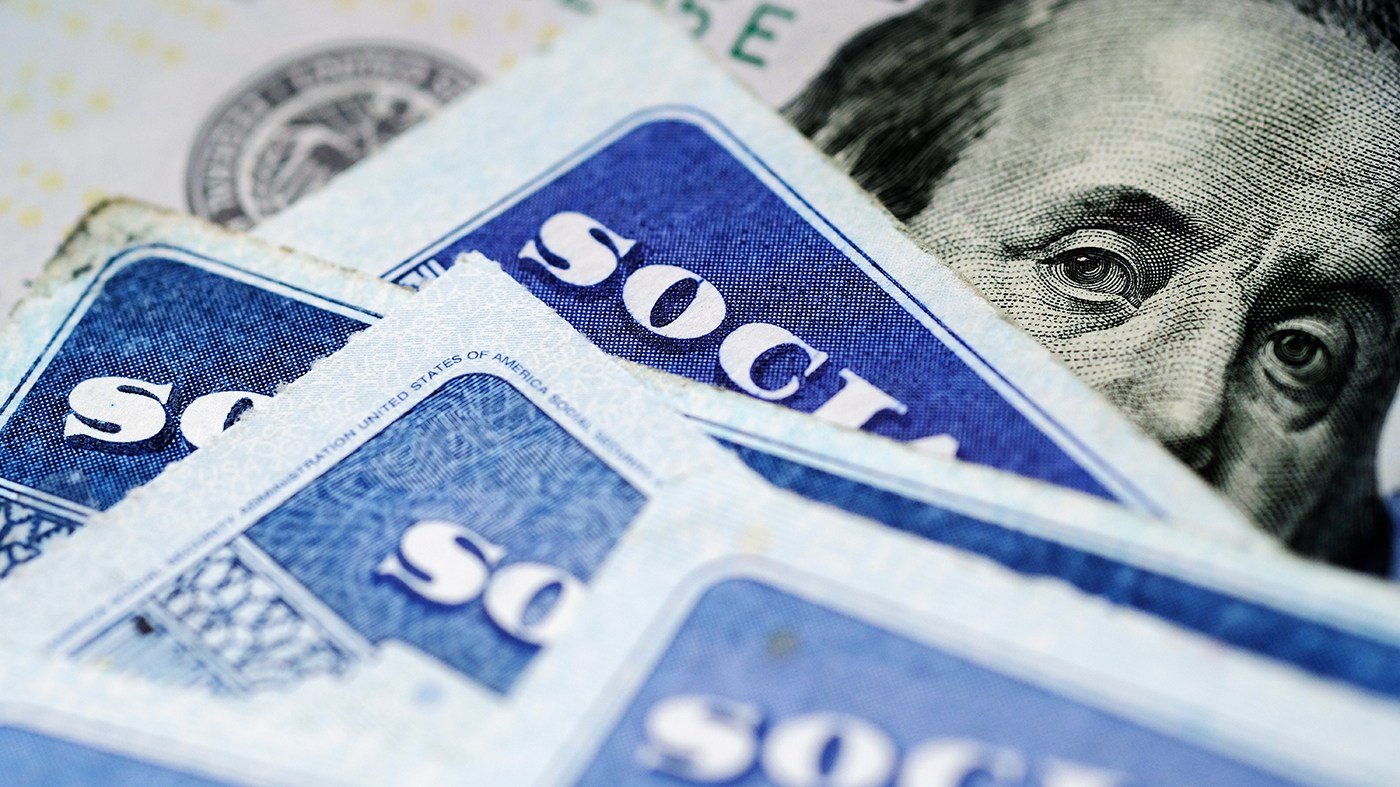
Fraud targeting Americans over 60 is surging, with a new analysis revealing that seniors in Arizona face the highest rate of reported scams in the country. The study, conducted by financial analytics firm SmartAsset, examined Federal Trade Commission data to identify which states see the most fraud reports per capita among older residents.
According to the U.S. Department of the Treasury, scammers stole an estimated $27 billion from seniors in 2024 alone. The problem cuts across the country, but some states are hit much harder than others.

Top States for Senior Scams
Arizona reported 7 fraud incidents per 1,000 residents aged 60 and older, the highest rate nationwide. Delaware followed closely with 6.9 reports per 1,000, and Colorado ranked third at 6.8. Washington, New Mexico, and Alaska also made the top ten, with rates ranging from 6.4 to 6.1 per 1,000.
The leading type of scam in nearly every high-ranking state is the “business impostor” scheme, where fraudsters pose as representatives of legitimate companies. In states like Alaska, Maryland, and Vermont, government impostor scams—where criminals impersonate officials from agencies like the IRS or Social Security Administration—were the most common.
Florida, a state with a large retiree population, ranked 12th with 5.2 reports per 1,000. Other states in the top 20 included Nevada, Oregon, Hawaii, and California, each with rates above 4.8 per 1,000 residents.
Political and Policy Implications
The findings come amid heightened political debate over how to protect older Americans from financial exploitation. The data also underscores vulnerabilities in digital communication systems, where scammers exploit everyday channels like phone calls, texts, and social media. As Iran's Digital Arsenal demonstrates, online platforms can be weaponized for influence operations, but fraudsters are using similar tactics for direct theft.
Some lawmakers have called for stronger consumer protections, especially for seniors who are often targeted due to trust in official-sounding calls or messages. The FACE Act controversy has also drawn attention to how federal laws can be applied in unexpected ways, though senior fraud remains a separate but equally pressing concern.
Most Common Scam Types
Business impostor scams were the top fraud category in 16 of the 20 states listed. Government impostor scams led in four states: Alaska, Maryland, Vermont, and New Hampshire. These schemes often involve callers claiming to represent the IRS, Social Security, or Medicare, demanding immediate payment or personal information.
The prevalence of these scams highlights the need for ongoing public awareness campaigns and stronger enforcement. The Treasury Department's $27 billion figure underscores the scale of the problem, which affects seniors across all demographics and regions.
SmartAsset’s full report provides granular data for each state, allowing residents to see how their area compares. For now, the data makes one thing clear: seniors in Arizona, Delaware, and Colorado are being targeted at alarming rates, and business impostor scams remain the most pervasive threat.