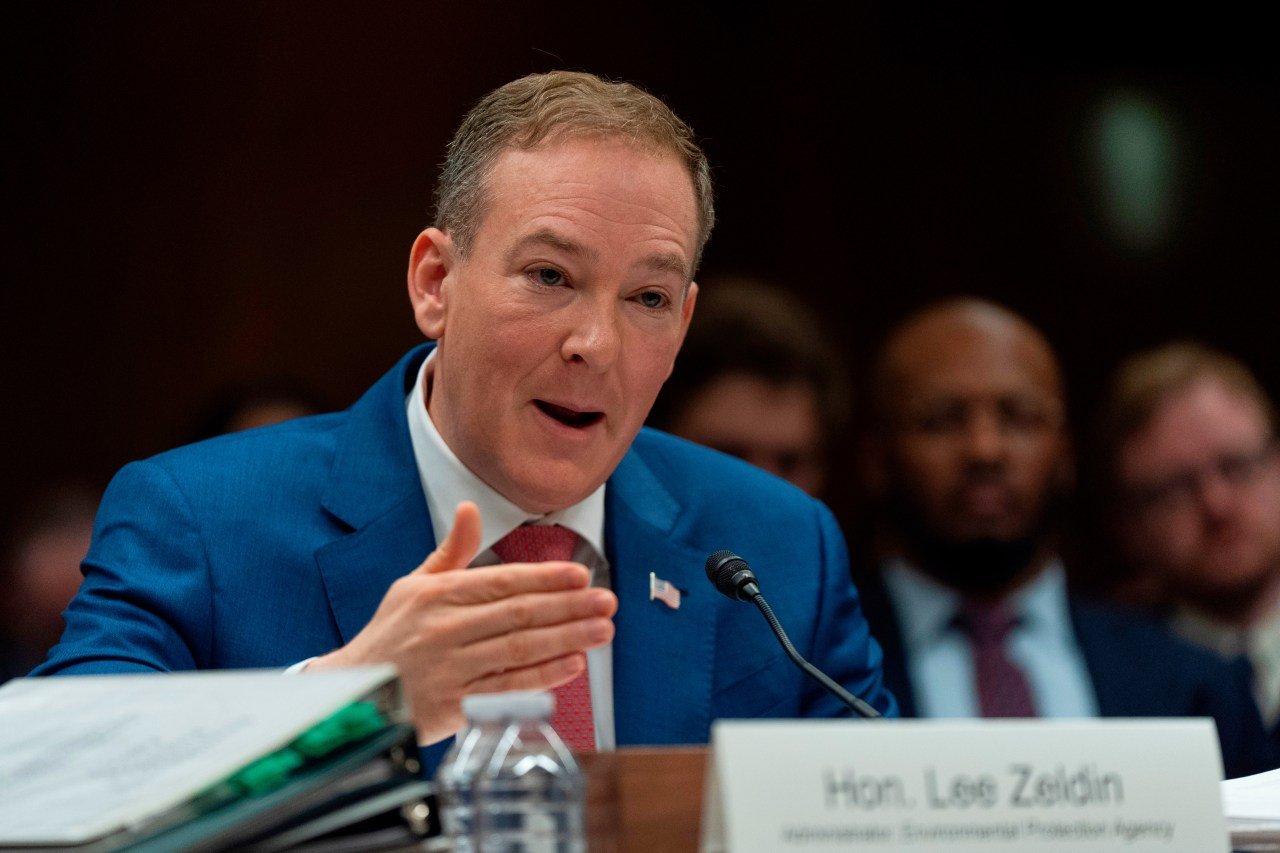
The Environmental Protection Agency on Thursday proposed dismantling federal limits that require coal-fired power plants to prevent toxic heavy metals from leaching into groundwater and nearby waterways. The move targets a 2024 rule that forced plant operators to clean up contaminated groundwater before it reached streams and rivers.
EPA Administrator Lee Zeldin argued the three-year-old regulation imposed undue costs on the energy sector at a time when electricity demand is soaring, driven largely by the rapid expansion of artificial intelligence data centers. “The AI and data center revolution is creating an electricity and baseload power demand that cannot be met under the overly restrictive policies of past administrations,” Zeldin said in a statement. He added that revising the rule is essential to keeping electricity affordable and reliable while supporting economic growth.

The proposal marks the latest effort by the Trump administration to ease environmental constraints on coal mining and coal-fired generation, positioning fossil fuels as a primary energy source for the tech boom. The administration has already rolled back several climate and pollution rules, a pattern that critics say prioritizes industry profits over public health.
Under the 2024 rule, power plant owners were required to monitor groundwater contamination from coal ash—a byproduct containing mercury, arsenic, and selenium—and, if polluted, pump and treat the water before discharging it. The EPA had given plants until December 31, 2029, to comply. The new proposal, if finalized, would exempt contaminated groundwater seeping into waterways from mandatory treatment. Only plants already pumping and treating the water would have to continue, according to environmental group Earthjustice.
Thom Cmar, an Earthjustice attorney, said the change would allow coal plants to avoid cleaning up contamination that threatens drinking water sources for tens of millions of Americans. “This plan would eliminate safeguards on hundreds of millions of pounds of wastewater with neurotoxins and cancer-causing contaminants,” Cmar said. He noted that states could still use federal clean water laws to force cleanup, but many are reluctant to do so.
The EPA argued the rollback would save power generators up to $1.1 billion annually. Coal and power industry trade associations applauded the move, while environmental groups condemned it as a public health danger and a giveaway to the coal sector. Earthjustice pointed out that coal plants remain one of the largest sources of toxic pollutants in U.S. waterways, which often serve as drinking water sources.
The agency acknowledged that dozens of coal plants—likely as many as 104—are currently polluting groundwater through uncontrolled runoff, but only seven are complying with the existing treatment rule. In 2024, the EPA had estimated the regulation would reduce pollutant discharges by 660 to 672 million pounds per year, delivering $3.2 billion in annual public health benefits, particularly for low-income and minority communities disproportionately affected by coal pollution. It projected the rule would raise average household electricity bills by less than $3.50 per year.
The proposal is the latest in a series of deregulatory actions that align with the administration’s broader energy agenda. For context, the Trump administration has also pursued aggressive policies on international trade and sanctions, as seen in recent moves like the sanctions on a Cambodian senator over a massive scam empire, and has faced criticism for its handling of foreign relations, including China leveraging the Taiwan issue in summit talks. Domestically, the EPA’s action underscores a sharp reversal from the Biden administration’s environmental protections, with implications for water quality and energy policy that will play out in courts and statehouses.