The House on Friday approved the first appropriations bill for fiscal year 2027, a military construction and veterans affairs package that sailed through with broad bipartisan support. The measure, which passed 400-15, now heads to the Senate, kicking off the annual government funding process.
All 15 votes against the bill came from Democrats, though the lopsided tally underscored the relative ease of funding veterans programs compared to the contentious fights ahead over other agency budgets. The legislation allocates over $2 billion for infrastructure upgrades at VA medical facilities and four cemeteries, includes $900 million for medical and prosthetic research, and fully funds veterans' benefits.

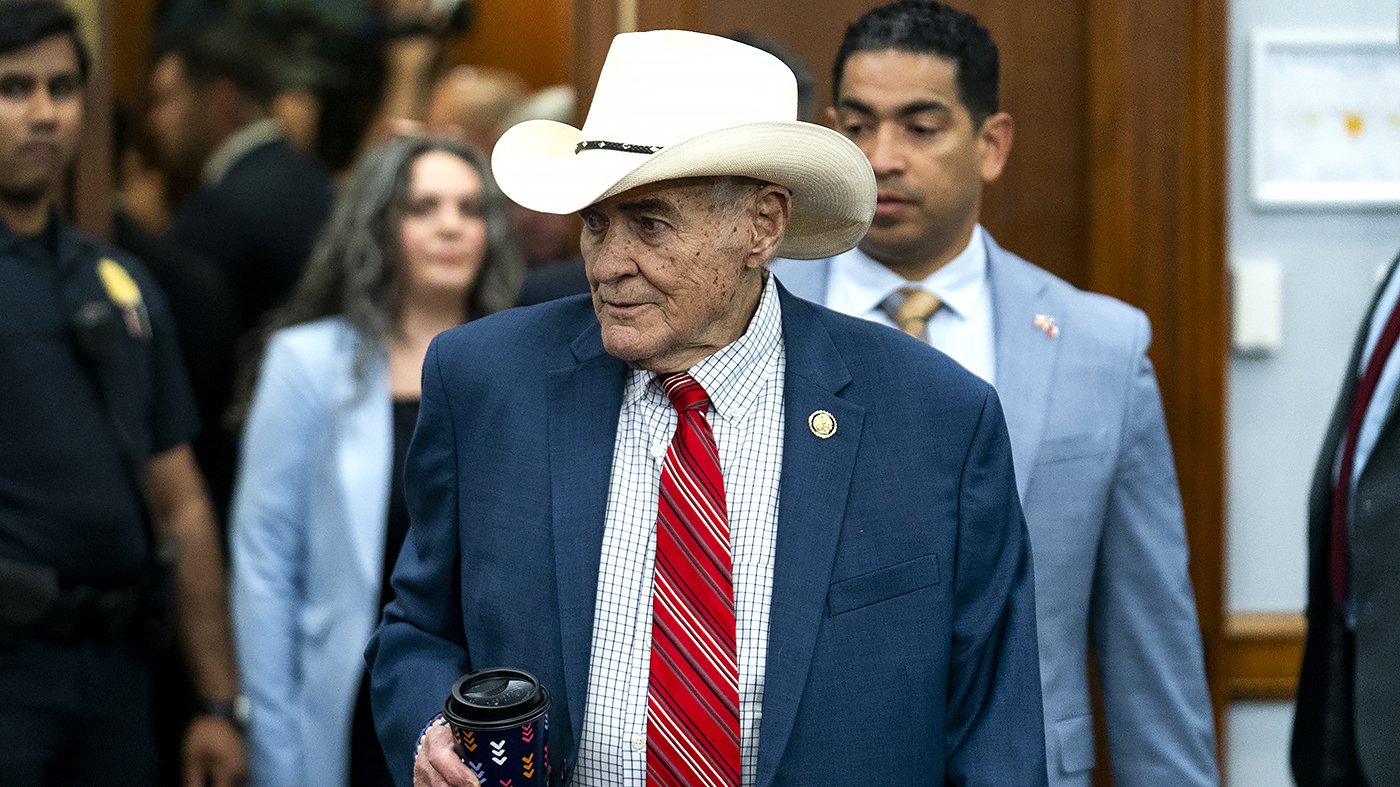
“This bill honors those who have sacrificed for our country and reaffirms our commitment to the well-being of both service members and veterans,” said Representative John Carter (R-Texas), chairman of the Military Construction, Veterans Affairs, and Related Agencies Subcommittee, speaking on the House floor Thursday. “It supports our troops, cares for veterans and their families, and upholds the promises we have made to those who put our nation first.”
House Appropriations Committee Chair Tom Cole (R-Okla.) framed the bill as a foundational step. “As the first bill to move out of full committee this year, it sets a strong foundation for the FY27 work ahead,” he said in a statement.
The measure represents the lowest-hanging fruit in the appropriations cycle. Speaker Mike Johnson (R-La.) faces far tougher resistance from both Democrats and members of his own party when the debate shifts to funding other departments, including Health and Human Services, Homeland Security, and Defense. House GOP leaders must pass 12 appropriations bills by the end of September, while also managing a packed agenda that includes two reconciliation bills, a housing package, renewal of foreign surveillance powers, and other priorities tied to the Trump agenda.
In recent weeks, the House Appropriations Committee has advanced bills to fund financial services agencies, the State Department, the FDA, and agriculture programs. All faced strong Democratic opposition over sharp cuts to humanitarian aid, global health, and climate programs.
The bipartisan nature of the VA bill stands in contrast to other recent cross-party efforts, such as a push to shield gene therapies from Medicare price negotiations and an overhaul of sexual misconduct rules. However, the coming budget battles are likely to test party unity, particularly as Republicans grapple with internal splits over spending levels. For instance, a recent vote on year-round E15 sales divided the GOP along regional lines, foreshadowing fractures that could complicate the appropriations process.
With the Senate expected to take up the VA bill soon, the measure’s strong bipartisan support suggests smooth passage. But the real test for House leadership lies in the months ahead, as they navigate a divided chamber and a tight calendar to fund the government before the September deadline.