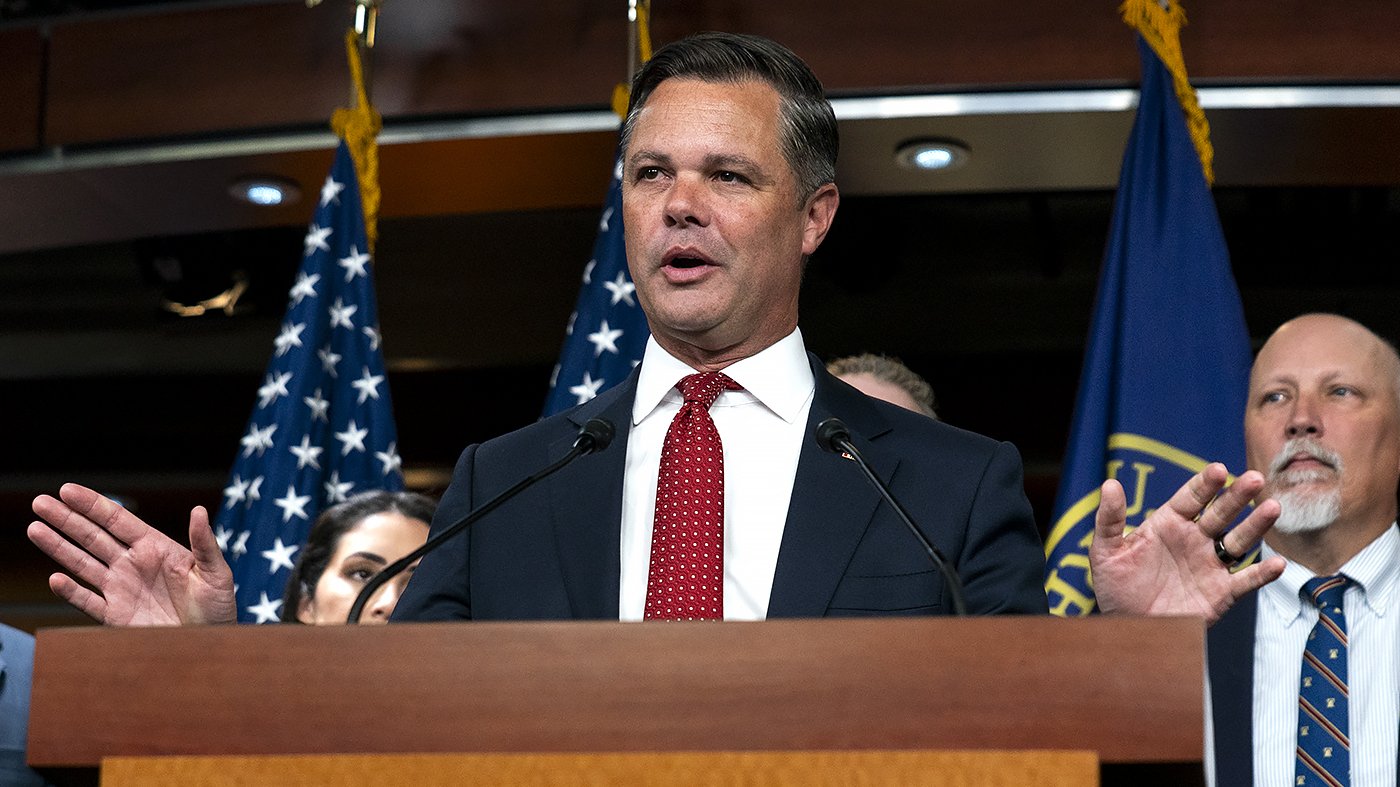
The House on Wednesday passed legislation to permanently allow year-round sales of E15 ethanol fuel, handing a significant victory to lawmakers from agricultural regions while exposing sharp rifts within the Republican conference. The final tally was 218-203, with 122 Republicans, 95 Democrats, and one independent in favor, and 90 Republicans and 113 Democrats opposed.
The vote underscored a partisan and internal GOP fracture over energy policy. Republican leadership itself was divided: Speaker Mike Johnson (R-La.) and Majority Leader Steve Scalise (R-La.) voted no, while Majority Whip Tom Emmer (R-Minn.) supported the measure. The split mirrors the broader tension between corn-producing states and oil-producing states within the party.

Currently, E15 — a blend of 15% ethanol and 85% gasoline — is barred from sale during summer months due to smog concerns, though former President Donald Trump used executive orders to temporarily waive those restrictions. The bill would codify a permanent exemption, a move that supporters argue will lower fuel costs for consumers.
“Anybody who’s from an Ag state, this is a huge win for them,” said Rep. Zach Nunn (R-Iowa), a lead sponsor. “We’re helping keep domestic energy successful, and we’re helping family farms.” Nunn added that the issue highlighted the GOP’s ability to accommodate regional differences: “I appreciate that we can have differences in the Republican Party and still allow members to vote their districts.”
Opposition was fierce, particularly from lawmakers representing oil and refining interests. In a rare procedural maneuver typically employed by the minority party, Rep. Scott Perry (R-Pa.) moved to recommit the bill to committee — effectively a kill vote. The motion failed 112-309, but it exposed deep unease among Republicans who view the ethanol mandate as a costly giveaway to agricultural lobbyists. Perry and Rep. Chip Roy (R-Texas) recently co-authored an op-ed in The Hill calling E15 a “Trojan horse to expand one of the most costly and destructive federal mandates in U.S. history: the Renewable Fuel Standard.”
The bill’s path to a floor vote was itself a resolution of earlier intraparty turmoil. Last month, House Republican leaders attempted to attach the E15 measure to the Farm Bill as a way to secure votes, but that move sparked a revolt from oil-state Republicans concerned about impacts on small refineries. The stand-alone bill was decoupled after a procedural rule passed earlier Wednesday.
Supporters argue that year-round E15 will help ease pain at the pump, especially as inflation remains elevated and gasoline prices have spiked amid the Iran war. Rep. Don Bacon (R-Neb.) dismissed opposing arguments as “gobbledygook,” insisting that expanded ethanol use will lower costs for drivers. Nunn echoed that, saying E15 options are a proven way to reduce fuel expenses.
Critics, however, contend the measure is a handout to the ethanol industry that could raise overall fuel costs and harm small refineries. An analysis by opponents suggests the mandate could lead to higher prices at the pump, not lower them. The debate grew heated during a Wednesday morning House GOP conference meeting, according to Bacon.
The bill now heads to the Senate, where its prospects are uncertain. Even if it clears the upper chamber, the White House has not signaled whether President Biden would sign it. The vote marks a long-sought milestone for farm-state Republicans, but it also sets the stage for a broader fight over the Renewable Fuel Standard and the future of U.S. energy policy. For more on the economic and climate implications, see Congress Weighs Year-Round E15: A Costly Climate and Economic Miscalculation. Meanwhile, the broader debate over ethanol mandates continues, with some arguing it amounts to a hidden tax on consumers and a win for lobbyists.